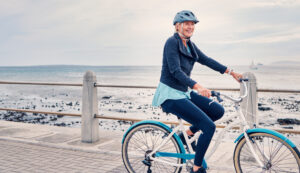
 Known as the body’s natural “feel-good†chemicals, endorphins stimulate feelings of pleasure, well-being, and pain relief, making them an essential component in a balanced, happy life. Endorphins are neurotransmitters secreted in response to stress and pain, which we all feel from time to time.
Thankfully, there are a variety of ways to tap into the mood-boosting, stress-relieving benefits of endorphins and get their full, opiate-like effect flowing. Though endorphins are commonly associated with the “runner’s high†achieved through vigorous exercise, the positive mood shifts associated with them don’t necessarily require strenuous physical activity.
The following are seven endorphin-boosting activities to turn to in times of trouble, or when you just need a little lift.
1. Exercise
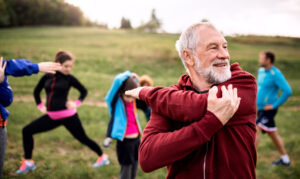 By moving your body and increasing your heart rate with cardiovascular exercise, you can stimulate the production of endorphins in the bloodstream. As soon as the heart starts pumping and sweat glands start perspiring, the rush of feel-good chemicals kicks in to reduce the brain’s perception of pain. However, you may have to push through that initial stage of discomfort to fully experience the endorphin-induced exercise high.
As an added bonus, if you’re trying to kick a harmful habit, exercise is considered a highly effective coping mechanism in most forms of addiction recovery; the natural endorphin high offers respite from incessant cravings for drugs, alcohol, or junk food.
So take an exercise class, go for a run or a bike ride, or do some calisthenics (lunges, squats, leg lifts, etc.) in your spare time. Cleaning, gardening, yard work, or something as simple as a brisk walk or a midday session of yoga or deep breathing and stretching will also kick endorphins into gear.
2. Eat chocolate and chili peppers
 Chocolate is celebrated cross-culturally as a pleasurable indulgence, and endorphin release is just one of many reasons to enjoy its blissful effects on the body. The mood-boosting and inflammation-reducing benefits of chocolate consumption are well established and widely used to justify indulging in it regularly (Stoppler, 2007).
If you can stand the heat, chili peppers are another edible endorphin releaser. According to researchers, chili peppers contain a chemical called capsaicin that triggers the pain-relieving, feel-good effect in response to this fiery food’s heat—the hotter the pepper, the better (Carollo, 2012).
And, of course, there’s always the dark chocolate-chili pepper combination. From rich hot chocolate drinks to chocolate bars that blend the two, a number of options are available if you’d like to sample this combo for a double dose of endorphin release.
3. Drink wine
 While this is only applicable to individuals who are of age to consume alcohol legally, several studies can confirm: wine can enhance those feel-good chemicals.
According to research published in the Journal of Neuroscience, enjoying a small amount of alcohol, especially wine, at the end of the day can boost endorphins (Ireland, 2014). Both red and white wine contain antioxidants, and red wine contains resveratrol, which has been shown to reduce inflammation, slow the aging process, and protect against arterial damage (Hendrick, 2010; Mayo Clinic, 2011).
Another study published in Science Translational Medicine examined the effects of alcohol-induced endorphins on the brains of social drinkers and “problem drinkers.†They concluded that endorphins play an enormous role in the desire to keep drinking once the initial rush of feel-good chemicals have been released. This is true for social and problem drinkers, though those who are prone to addiction will be more likely to drink to excess (Simon, 2012).
So be mindful and drink in moderation when indulging in this pastime. One to two glasses should suffice to get you basking in the mood-enhancing, ethanol-endorphin glow.
4. Have sex
 Engaging in regular sexual activity feels good, relieves stress, and releases endorphins. In fact, endorphins are largely responsible for the anxiety– and pain-reducing effects of sex (Newsmax Health, 2013).
The endorphins produced during sexual arousal and shared affection also stimulate the production of oxytocin, aptly referred to as the “love hormone,†as well as other neurochemicals like dopamine (Stoppler, 2007). The combination of these chemicals creates a blissed-out, deeply satisfying sensation throughout the body during and after sexual contact.
(This tip is for consenting adults who are practicing safe sex.)
5. Get a massage
 Touch-oriented modes of healing and pain management such as acupuncture, massage, chiropractic adjustments, and hydrotherapy are known to stimulate endorphin release (O’Sullivan). This is part of what makes these treatments so popular—they leave you feeling relaxed, relieved, and revived. Plus, you don’t have to do anything but sit or lie down and let the good feelings flow.
6. Meditate
 Simply relaxing and focusing the mind on meditation triggers the release of endorphins and also helps increase dopamine, serotonin, and melatonin. This cocktail of chemicals flooding the bloodstream leaves the meditator feeling calm, happy, and content. One study found the effects of running and meditation on mood to be very similar—both activities produce endorphins and lead to positive feelings (Harte, Eifert, and Smith, 1995).
For someone new to meditation, the following tips may help you ease into its pleasing effects.
- Find a quiet spot free from distraction. Ideally, this will be a place where you can sit or lie down comfortably.
- Consider lighting a candle and/or listening to soothing music.
- Shift your attention away from the myriad thoughts and worries that tend to flood the mind in the initial moments of meditation. Repeating a simple mantra may help.
- Breathe slowly, deeply, and consciously. Allow your breath to guide you into a state of deep awareness and relaxation.
7. Laugh
 Laughing lifts the spirits and relieves tension. This is somewhat of a given for anyone who has ever experienced a good belly laugh. But did you know that part of the reason laughing feels so good is because of the endorphins that stream through your system when you do?
According to research presented at a meeting of the American Physiological Society (2006), just knowing that laughter is coming boosts endorphins and sets the feel-good vibes in motion. Stress reduction and improved immune functioning are added perks of letting loose with laughter.
References:
- American Physiological Society. (2006, April 3). Just the expectation of a mirthful laughter experience boosts endorphins 27 percent, HGH 87 percent. Phys.org. Retrieved from http://phys.org/news63293074.html
- Carollo, K. (2012, February 20). The world’s hottest pepper: Brings pleasure and pain relief. ABC News. Retrieved from http://abcnews.go.com/Health/capsaicin-ingredient-hot-peppers-offers-medical-benefits/story?id=15727011
- Harte, J. L., Eifert, G. H., and Smith, R. (1995, June). The effects of running and meditation on beta-endorphin, corticotropin-releasing hormone and cortisol in plasma, and on mood. Biological Psychology, 40, (3), 251-265. Retrieved from http://www.sciencedirect.com/science/article/pii/030105119505118T
- Hendrick, B. (2010, August 4). Resveratrol may slow aging in humans: plant extract resveratrol suppresses inflammation, study finds. WebMD Health News. Retrieved from http://www.webmd.com/healthy-aging/news/20100804/resveratrol-may-suppress-inflammation-in-humans
- Ireland, K. (2014, February 10). How to boost endorphins. Livestrong.com. Retrieved from http://www.livestrong.com/article/88275-boost-endorphins/
- Mayo Clinic. (2011, March 4). Red wine and resveratrol: good for your heart? Diseases and Conditions. Retrieved from http://www.mayoclinic.org/diseases-conditions/heart-disease/in-depth/red-wine/ART-20048281
- Newsmax Health. (2013, July 8). Regular sex makes you look 7 years younger: researcher. Retrieved from http://www.newsmaxhealth.com/Health-News/sex-aging-health-benefits-endorphins/2013/07/08/id/513728
- O’Sullivan, B. What are endorphins? The Road to Health Newsletter. Retrieved from http://www.road-to-health.com/64/What_are_Endorphins_.html
- Simon, G. (2012, January 18). Alcohol and endorphins: ‘feel good’ chemical key to problem drinking? Counselling Resource. Retrieved from http://counsellingresource.com/features/2012/01/18/endorphins-and-alcohol/
- Stoppler, M. C. (2007, March 15). Endorphins: natural pain and stress fighters. MedicineNet.com. Retrieved from http://www.medicinenet.com/script/main/art.asp?articlekey=55001
- WebMD. (2012, July 23). Exercise and depression. Retrieved from http://www.webmd.com/depression/guide/exercise-depression
So, if you’re stressed about something in life—whether it’s an upcoming presentation or performance, or a trip to an unfamiliar territory, or a big party you’re responsible for planning—it may bring you significant relief to, you know, talk about it with someone who has either been there or is going through it with you.
This may seem like a given—like something that doesn’t necessarily require research to confirm. But in the moments when stress and anxiety creep in and become all-consuming, it can be difficult to remember what helps to alleviate them.
According to a study led by Sarah Townsend, an assistant professor at USC Marshall School of Business, it is the specific interaction with a person who genuinely understands your emotion and response, and ideally is also experiencing it at the same time, that will provide measurable relief from stress.
For the study, Townsend and colleagues paired up participants who displayed “emotional similarity†and instructed them to deliver a speech while being videotaped. Each pair was told to discuss their feelings leading up to the presentation with one another, and as this was all happening, their cortisol levels were measured and documented.
They found that within these pairs, the simple act of talking with one another acted as a buffer from experiencing the high levels of stress typically associated with preparing for a speech. The results, which were published in Social Psychological and Personality Science, send the message that finding an emotionally “similar†partner may be key to keeping calm and carrying on when faced with potentially stressful situations.
References:
- Townsend, S. S. M., Kim, H. S., and Mesquita, B. (2013, December). Are you feeling what I’m feeling? Emotional similarity buffers stress. Social Psychological and Personality Science. doi: 10.1177/1948550613511499. Abstract retrieved from http://spp.sagepub.com/content/early/2013/12/16/1948550613511499.abstract
- USC Marshall School of Business. (2014, January 29). Two stressed people equals less stress. Press Release. Retrieved from http://www.eurekalert.org/pub_releases/2014-01/umso-tsp012914.php
 Mindfulness practices are quickly becoming an integral part of many people’s day-to-day lives, largely inspired by the belief that our thoughts and intentions have a significant impact on our overall health and well-being. Testimonies and reports are continually emerging to support the notion that rampant internal negativity may be associated with physical and psychological pain, while carefully cultivated positivity in the mental sphere is linked to improved physical and psychological wellness.
Of course, no matter the amount of personal belief and experience that testify to the power of positive thought and intention, the call for scientific evidence remains. This makes it particularly intriguing when researchers manage to validate what some might otherwise flippantly dismiss as “woo-woo.â€
The positive intention studies of one researcher in particular, Dr. Masaru Emoto, have revealed that not only do our intentions have the capacity to hurt or help ourselves, but our words and intentions also have the capacity to significantly impact those around us.
Since 1994, Emoto has conducted several experiments in which his team of researchers observed the effects of spoken word, prayer, music, and images on crystals of frozen water. The photographs captured in response to these stimuli revealed “beautiful crystals†forming in response to positive words and phrases, music, and “pure prayer.†Conversely, when spoken to or influenced negatively, the water molecules appeared disfigured and broken in the photographs (Emoto, 2010).
Dr. Emoto chose to focus his research on water molecules because water comprises approximately 70% of the fluids in the human body, so the connection is obvious. For years, Dr. Emoto has been publishing the results of his studies in his Messages from Water book series, and a sampling of the photographs can be seen online at masaru-emoto.net/english/water-crystal.html.
Water molecule photos are also included in Dr. Emoto’s children’s e-book The Secret Language of Water, which can be viewed and downloaded for free at emoto-peace-project.com. Available in several languages, the book intends to educate young people of the importance of water on this planet and in our bodies.
In a more recent study conducted by Dr. Masaru Emoto and colleagues, some 2,000 people in Tokyo focused long-distance positive intentions on water samples contained in “a double-steel-walled, electromagnetically shielded room†at the Institute of Noetic Sciences (IONS) in Petaluma, California (Radin, Hayssen, Emoto, and Kizu, 2006).
On November 16, 2005, Emoto led the participants “in a prayer of gratitude directed toward the water in the IONS laboratory, some 5,000 miles away†(Radin et al., 2006). They were shown digital images of the bottles of water, and the prayer lasted for approximately five minutes. The water samples were then sent to Emoto’s lab in Japan. Specific measures were taken to ensure that the water bottles were kept separate and free from outside influence, and when the contents were examined, 40 unique water molecules were photographed.
The researchers then enlisted 100 volunteers to blindly evaluate the photographs based on aesthetic appeal. Basically, they wanted to see which water molecules were perceived as beautiful and pleasing, and which ones were not. Both “treated†and untreated molecules were included.
The results reinforced the idea that “water treated with pleasant intentions†results in “more pleasing crystal shapes†than water that did not receive this treatment (Radin et al., 2006).
In 2004, Emoto’s work received a great deal of attention when his photographs of crystallized water were featured in the film What the Bleep Do We Know? And through his ongoing explorations into how our words and intentions impact water molecules, and what that means not just for human life but for the bodies of water that sustain us, Dr. Emoto has become internationally known as “the water messenger.â€
The video below, which you may have seen circulating around the Internet, features another of Emoto’s experiments, in which cooked rice was placed in three separate beakers: the first container was told “thank you,†the second one was told “you’re an idiot,†and the third one was completely ignored. After 30 days, the “thank you†rice remained white and began to ferment, “giving off a strong, pleasant odorâ€; the “you’re an idiot†rice turned black; and the neglected rice began to rot. Poor rice!
Several videos on YouTube reflect similar results when people have tried Emoto’s experiment at home with their own supplies.
Emoto’s work sends a clear message that what we feel and say to ourselves and others has the potential to alter the very molecules surrounding us; in other words, being mindful matters!
References:
- Emoto, M. (2010). What is the photograph of frozen water crystals? Retrieved from http://www.masaru-emoto.net/english/water-crystal.html
- Radin, D., Hayssen, G., Emoto, M., and Kizu, T. (2006, September). Double-blind test of the effects of distant intention on water crystal formation. Explore: The Journal of Science and Healing, Vol. 2, Issue 5, 408-411. Retrieved from http://www.explorejournal.com/article/S1550-8307(06)00327-2/fulltext
- Spirit Science and Metaphysics. Did you know your thoughts can do this to water crystals? Retrieved from http://www.spiritscienceandmetaphysics.com/scientific-proof-thoughts-and-intentions-can-alter-the-world-around-us/
The holiday season is rife with the spoils of consumer culture as people flood malls and shopping centers searching for gifts, decorations, and foods to be purchased and shared at parties and gatherings. Vehicle traffic and stress levels go up while checking account balances go down, and some are left feeling drained and depleted. Others revel in the simple pleasure of buying presents and showing love in the form of gifts and other trinkets and treasures. And there is a beauty to it all—in the giving and receiving, the passing of plates, and the many buildings and homes decorated with strings of lights and holiday wreaths and other displays.
But at the core of these widely shared forms of celebration is a thread that runs through the masses, tying people together in the first-world dilemma known as materialism. Many are familiar with the dreaded sense of buyer’s remorse that often kicks in regarding an impulse purchase, which differs dramatically from the joy and relief experienced when finding that perfect present for a loved one. In the wake of an unnecessary and financially unwise purchase, a person may feel a range of negative emotions: guilt, shame, and self-loathing being a few examples.
Recent research suggests that, aside from its established negative effects on well-being, the impact of materialism extends to a person’s ability to process negative or traumatic events in life (Ruvio, Somer, and Rindfleisch, 2013). Basically, the researchers found that those who place great emphasis and importance on material wealth and possessions will respond to the mere threat of a crisis situation with unhealthy and materialistic coping mechanisms.
The research team, made up of professors from the University of Illinois, Michigan State University, and the University of Haifa, drew their conclusions by conducting a field study in Israel and a national survey in the United States. The information they gathered examined the experience of trauma-related stress and how it affects people’s consumerist habits of buying and spending.
“Materialistic people cope with bad events through materialistic mechanisms,†said Aric Rindfleisch, one of the researchers and a marketing professor in the University of Illinois’ College of Business. “When there’s a terrorist attack in Israel, people who are materialistic suffer higher levels of distress and are more likely to compensate for that through higher levels of compulsive and impulsive purchasing.â€
The U.S. results showed that those who experienced large amounts of anxiety surrounding death mirrored the habits of those who lived in fear of terrorist attacks in Israel, and that both groups were prone to dealing with that stress through compulsive spending.
In a report on the study published in the Journal of the Academy of Marketing Science, Rindfleisch described materialism as a response to personal insecurities. He also discussed the comfort people experience through the simple act of shopping. “Retail therapy,†as he calls it, offers a “short-term fix†to largely unsolvable problems that are out of our immediate control.
If nothing else, it may be helpful for those in consumer-rich societies to be aware of this tendency as they move through the endless aisles of material goods and contemplate purchases during and after the holiday season.
 References:
- Medical News Today. (2013, November 28). Materialism makes bad events even worse. Retrieved from http://www.medicalnewstoday.com/releases/269379.php
- Ruvio, A., Somer, E., and Rindfleisch, A. (2013, July). When bad gets worse: the amplifying effect of materialism on traumatic stress and maladaptive consumption. Journal of the Academy of Marketing Science. Abstract retrieved from http://link.springer.com/article/10.1007%2Fs11747-013-0345-6
 Those who have endured trauma experience unique challenges in coping with life after the fact. It may feel as though no one understands the anxiety, depression, nightmares, flashbacks, and other issues characteristic of posttraumatic stress.
Because of this, people who have experienced trauma tend to avoid intimacy and closeness in relationships. While it may be difficult for a partner, family member, or friend to offer the necessary support, there are professionals who are very familiar with what it takes to heal and recover from a traumatic incident.
Clinical psychologist Robert T. Muller, PhD, wrote a book on the subject: Trauma and the Avoidant Client: Attachment-Based Strategies for Healing, which was published in 2010. As part of our continuing education web conference series, GoodTherapy.org was fortunate enough to have Dr. Muller present on “Engaging the Traumatized Client Who Avoids Closeness and Vulnerability†in April of 2011.
Recently, Dr. Muller, who is also an associate professor at York University in Toronto, Canada, shared some of his insights with us in a written interview on roughly the same topic. Specifically, he reveals the common traits associated with those who have developed avoidance-based coping strategies in response to trauma, and he discusses how to help these individuals in therapy.
GoodTherapy.org (GT): What do you think is the biggest obstacle in overcoming trauma?
Robert T. Muller (RTM): The biggest obstacle is fear. Fear of getting hurt … yet again. Fear that people who seem trustworthy aren’t. It requires great fortitude to open up and take interpersonal risks when you were hurt by the people you trusted most.
GT: Why do people with a history of trauma often have trouble in interpersonal relationships?
RTM: A client of mine once told me, “You live what you know.†When what you know is betrayal, that’s what you live.
GT: What does attachment have to do with trauma?
RTM: Humans naturally seek closeness. Trauma takes away what is most natural, making simple interpersonal contact scary and complicated.
GT: Are trauma survivors more resistant to therapy than other people who seek counseling?
RTM: No, they’re not more resistant. And they can be rewarding to work with, even inspiring. But it’s not easy. For therapists, the trick is being open to difficult painful truths: The world is often unjust, [and] good people suffer. We can’t rescue our clients from their painful histories, but we can help them gain understanding and empathy for themselves, rather than judgment and self-reproach.
GT: What kinds of therapeutic strategies work best with trauma survivors?
RTM: Relationship, relationship, relationship. With survivors of interpersonal trauma, change happens through the here-and-now relationship between client and therapist. As a therapeutic alliance develops, as the client starts to feel a connection to the clinician, this feels scary, and the person struggles as they do in all relationships: They don’t know how to trust. They may push the therapist away (because that’s easier than worrying they’ll be abandoned); they may even criticize the clinician or become angry at times. How the therapist weathers these moments in the relationship makes all the difference. If the clinician becomes defensive or critical, it’s game over. But if the therapist sees this as an opportunity, an important moment in their relationship to help the client work through the conflict between them, that’s where change really happens. The person truly learns how the world of relationships can be nonexploitative and rewarding.
GT: How can therapists engage avoidant trauma survivors in therapy?
RTM: Even clients who avoid closeness and painful feelings are in the therapist’s office for a reason. Find that reason. What’s in it for them to change? Working with them can be hard, because they’re masters at pushing people away. The trick is seeing their distancing maneuvers for what they are: fear of closeness.
GT: What do you hope therapists will take away from your new book, Trauma and the Avoidant Client: Attachment-Based Strategies for Healing?
RTM: Up to now, avoidant trauma survivors have been ignored by the field of mental health; that’s a missed opportunity. As a way of avoiding closeness, they drink, become workaholics, get addicted, overdo food or exercise, and so on. But those strategies don’t work, at least not in the long run. Ultimately, they need to experience the emotions that go along with closeness; to feel loss, sadness, pain, and vulnerability without becoming terrified of losing control or falling apart. The best tool I know is the therapeutic relationship. My book focuses on how to help clients like these by skillfully using the therapeutic relationship as a vehicle for change. What they fear is closeness, but underlying that fear is a painful longing, a yearning to feel loved. And at the end of the day, therapy is about learning how to allow yourself that gift.
 Many people believe that when experiences are too painful or difficult to face, they end up tucked into the unseen corners of the unconscious in the form of repressed memories. The presence of hidden truths in the psyche may then manifest in myriad ways in waking life: panic attacks, nightmares, anxiety, depression, sexual dysfunction, and issues with self-esteem, to name a few.
Sexual trauma, in particular, is viewed by a number of therapists as being especially susceptible to repression (Loftus, 1993). The memories may remain locked away for years before surfacing, which typically occurs in a therapeutic setting.
Several people, mainly women, who recollect memories of abuse 10, 20, 30, or more years after the abuse occurred have sued the perpetrators in court for damages to physical and psychological well-being. Many have won.
However, over the past few decades, the notion of repressed memories has sparked a great deal of controversy in the mental health field. This became especially heated during what became known as the “memory wars†of the 1990s.
Clinical psychologists and therapists who have witnessed adult clients remembering repressed experiences of childhood abuse argue that the memories are real, vivid, detailed, and reliable. Researchers tend to be more hesitant to accept the concept of repression as fact due to the lack of scientific evidence in support of it (Association for Psychological Science, 2013).
Findings reported recently in Psychological Science suggest that this controversy remains just as prevalent today, and that skepticism has actually increased with time. One of the researchers, Lawrence Patihis of the University of California, Irvine, said in a press release issued by the Association for Psychological Science (2013), “Whether repressed memories are accurate or not, and whether they should be pursued by therapists, or not, is probably the single most practically important topic in clinical psychology since the days of Freud and the hypnotists who came before him.â€
The study conducted by Patihis and colleagues involved an online survey of practicing clinicians, psychotherapists, research psychologists, and alternative therapists. Their responses revealed that though skepticism regarding repressed memories has increased in the past 20 years for “mainstream psychotherapists and clinical psychologists,†approximately 60 to 80% of the clinicians, psychoanalysts, and therapists who responded to the survey believe that memories of trauma are often repressed and can be retrieved in therapy.
They also gathered data that shows the widespread acceptance of repressed memories as real among the general public. On the other hand, less than 30% of research psychologists believe in the validity of repressed memories.
Repressed-Memory Testimony Fuels Controversy
One of the primary concerns of skeptics is that “repressed-memory testimony†may be used in court to indict someone. Being able to testify against long-ago abusers has been known to aide in the healing and recovery of many who endured childhood sexual or physical abuse. However, there have been instances where an adult child accuses parents of abuse years after the fact and the parents vehemently deny the accusation; this inevitably tears apart familial relationships and leaves the accused feeling victimized (Loftus, 1993).
Repressed-memory testimony has also been used to solve unsolved cases of murder, as in the 1990 case of Eileen Franklin, who experienced sudden and vivid repressed memory recall as a 29-year-old mother that revealed a dark secret: When she was 8 years old, her father had raped and murdered her best friend; Eileen had been witness to the crime, and her father had threatened to kill her if she ever told anyone. Her then 51-year-old father George was tried in court and convicted largely based on the evidence provided via Eileen’s memories, although corroborating evidence gathered at the time of the crime was also taken into consideration.
The disturbing number of cases related to repressed experiences of childhood sexual abuse by Catholic priests and other private group leaders has also stirred much dialogue over whether memories that surface years after an alleged incident occurred should be used as evidence in legal cases. As recently as October 2013, Governor Jerry Brown of California vetoed legislation that would have allowed more victims of childhood sexual abuse to take action against the Catholic Church, Boy Scouts, and other private organizations (Miller).
For those who experienced the abuse, being able to seek justice for the wrongs committed against them is essential to their ability to move on and recover. Many of them experience years of psychological torment prior to remembering in full the abuse that took place, and their supporters believe lawsuits should be an option regardless of how long it takes for those memories to appear (Miller, 2013).
Considering that the truth of a resurfaced memory is often nearly impossible to prove with scientific evidence, this may be a situation where researchers should defer to the practicing psychologists and therapists who have witnessed countless cases of repressed recall in action, as well as the people who attest to their validity firsthand and experience intuitive healing as a result.
References:
- Association for Psychological Science. (2013, December 13). Scientists and practitioners don’t see eye to eye on repressed memory. [Press Release]. Retrieved from http://www.psychologicalscience.org/index.php/news/releases/scientists-and-practitioners-dont-see-eye-to-eye-on-repressed-memory.html
- Miller, J. (2013, October 13). SEX ABUSE: Governor vetoes bill to allow more victims. The Press-Enterprise. Retrieved from http://www.pe.com/local-news/politics/jim-miller-headlines/20131013-sex-abuse-governor-vetoes-bill-to-allow-more-victims.ece
- Loftus, E. (1993). The reality of repressed memories. American Psychologist, 48, 518-537. Retrieved from http://faculty.washington.edu/eloftus/Articles/lof93.htm
 Is it so strange to want to chronicle and capture your changing visage through the years in the form of artistically altered photographs? There has been a lot of conversation in recent months surrounding people who obsessively photograph themselves and post those pictures online for all to see, otherwise known as the selfie trend.
Even we jumped on the bandwagon of speculation about what’s really going on with this phenomenon. The self is fascinating; after all, it’s who you are. We seek a deeper understanding of this inward being in a variety of ways: journaling, creative expression, conversation, counseling, and, yes, the self-portrait.
Throughout history, artists have devoted themselves to this eye-catching craft of self-understanding. Vincent Van Gogh and Frida Kahlo are just two examples of the myriad artists who became renowned for their ability to capture the self in compelling portraits.
From 1886 to 1889, Van Gogh painted over 30 canvases of himself, and Kahlo, who began her work in self-portraiture while recovering from a debilitating accident in a full body cast, produced 55. She is quoted as having said, “I paint myself because I am often alone and I am the subject I know best†(Frida Kahlo Foundation, 2002–2013).
These days, though the painted canvas is still prevalent in self-portraiture, the artistic rendering of the self via photograph is being snapped and shared by the millions—on Facebook, on Instagram, and in the professional photography world, as well. Depression, grief, loss, injury, and navigating the rises and falls of the human journey have inspired countless works of photographic art involving the photographer as subject. Following are just a few examples of this self-centered form of modern artistry—and healing.
Self-Portrait for Depression
[fat_widget_left]One man, 20-year-old Christian Hopkins, uses photography as a way of dealing with depression. His self-portraits include surreal images of several hands being trapped inside his skin, wings made with fragile materials protruding from his shoulder blades, one showing his left wing broken and in pieces, the other very sparse but intact.
He is also shown with a fabricated slit through the throat made of a zipper with strands of black yarn mimicking blood. The photos are haunting, but most importantly, Hopkins says they help him process the complicated emotional experience of his bouts of depression.
Self-Portrait for Feeling Powerless and Stuck
Ben Zank, a New York-based photographer, chronicles his feelings of “being powerless, stuck, being free again, etc.†in a series of self-portraits featuring natural elements colliding with the confining aspects of human existence. In one of these, he is shown lying face down on a paved road with the two yellow stripes running directly over his head; in another, he is trapped between two icy rocks, struggling to break free.
He also photographed himself with his head wrapped in twine and tied to a tree, as well as with lengths of twine tied around his fingers and anchored to the ground. Both of these scenes seem to reflect the experience of being stuck.
Self-Portrait for Debilitating Injuries
Following repeated knee injuries, former-dancer-turned-photographer Ingrid Endel photographs herself in stunning dance-oriented poses. The Australian artist creates surreal imagery that beautifully captures the sense of loss associated with no longer being able to perform as a dancer, as well as the joy of discovering another art form through which she can express herself.
The photographs show her body in a variety of outdoor scenes: lifting off the ground with legs wrapped in vines; leaning (or falling?) backward in a dancer’s pose with electric red cords protruding in all directions from her chest; and being enveloped in cocoon-like cobwebs while contorted on the forest floor.
Endel includes photographs of her moments of stillness in which she appears to be accepting and embracing her body as-is; one in particular shows her looking perfectly content while engaged in a stretching pose in the middle of a body of water.
Self-Portrait for Personal Change and Transformation
Another way to use the self-portrait is to process normal, yet significant, changes in life, which can become stressful if not handled healthfully. One woman, Sophia Starzenski, a photographer based in Buenos Aires, took photos of her near-naked body as she moved through pregnancy.
The photographs reveal her steadily expanding belly throughout the nine months of being with child, and the final shot shows her with two-month-old babe in arms. By capturing the raw beauty of this commonplace transformation, Starzenski presents the changing female body as a work of art—something to be celebrated and shared rather than hidden and shamed.
Self-Portrait for Illness and Grief
Still others use the self-portrait as a means of coping with insurmountable changes in the lives of their loved ones, which inevitably affect them, too. When his wife Jennifer was diagnosed with breast cancer, Angelo Merendino chose to document the experience through photographs taken mainly of his wife, although he appears in a few of them.
The series starts with the couple looking healthy and happy, drinking while sitting on a front stoop, and then lying in bed together with serene smiles and an intimate embrace. The photographs grow increasingly bleak, however, as Merendino captures his wife’s physical deterioration and eventual death on camera.
Though they depict illness, grief, and loss, the photographs also show the beauty of family coming together in trying times and of final moments treasured and savored. Following his wife’s passing, Merendino published a book of the images, The Battle We Didn’t Choose: My Wife’s Fight with Breast Cancer, and went on to start a non-profit called The Love You Share (theloveyoushare.org) as a means of providing financial assistance to women battling breast cancer.
The Tutu Project (thetutuproject.com), which “began in 2003 as a lark,†is another instance of a man using self-portrait photography to deal with life in general and eventually, with his wife’s breast cancer. When his wife Linda was diagnosed in 2006, Bob Carey began taking his ongoing photographs of himself wearing only a pink tutu to a new level. As a means of alleviating his own emotional distress and lifting Linda’s spirits, he traveled the United States—and Italy—snapping pink tutu photos in various places.
Their story inspired a video created by Deutsche Telekom in Germany (below); in it, Linda says, “It just makes me laugh, to see my husband dancing around in a pink tutu. It helps me be positive. The more I laugh, the better I feel.â€
To help support other women who are in need of funds beyond what insurance provides as they navigate the breast cancer experience, the couple established The Carey Foundation in 2012 (careyfoundation.org), and they continue to spread the simple pleasure of the pink tutu in Ballerina, a hardcover collection of Bob’s self-portraits and the stories behind them.
PhotoTherapy: How Self-Portraits Heal
Judy Weiser, director of the PhotoTherapy Centre in Vancouver, British Columbia, as well as psychologist, art therapist, and author, has spent over 35 years exploring, developing, and implementing “PhotoTherapy†techniques. On the PhotoTherapy Centre’s website (phototherapy-centre.com), Weiser details extensively the therapeutic benefits of photography in its various forms.
Regarding the self-portrait as a mode of healing, she says, “Since issues connected to self-esteem, self-knowledge, self-confidence, and self-acceptance lie at the core of most clients’ problems, being able to see themselves for themselves, unfiltered by the input or feedback of others, can be a very powerful and therapeutically beneficial encounter.†She goes on to explain how this in-depth confrontation and exploration of the self through photography is known to catalyze “deep process work in therapy situations.â€
Though the PhotoTherapy Centre now exists primarily as an archival collection of online information and resources, Weiser still provides training opportunities for mental health professionals in the techniques of PhotoTherapy, as well as social media support and guidance via the Centre’s Facebook group.
References:
- Frida Kahlo Foundation. (2002–2013). Frida Kahlo biography. Retrieved from http://www.frida-kahlo-foundation.org/biography.html
- Weiser, J. (2001–2013). The techniques of PhotoTherapy. Retrieved from http://www.phototherapy-centre.com/self_portraits.htm
 Celebrities do it, regular folks of all ages do it, and several articles and blog posts have been written discussing and analyzing the fascinating trend that is the selfie. It’s a word that has become synonymous with social media, self-love, and in some cases, shocking levels of self-obsession. Justin Bieber, a pop star and trailblazer in the selfie stratosphere, is currently backing a new camera app called “Shots of Me,†which is devoted entirely to the ongoing proliferation of the selfie. And the Oxford Dictionaries Online officially dubbed “selfie†2013’s Word of the Year.
In case you’ve managed to remain unfamiliar with the term, the selfie consists of any photo taken by the self, of the self, and then posted online, typically via social media sites like Facebook and Instagram. It’s the modern-day self-portrait, and anyone who has access to a camera and the Internet can partake. Over 31 million photos tagged with “#selfie†have been posted to Instagram to date (Walker, 2013), and according to a “nationally representative†report by the Pew Internet & American Life Project, teens are especially caught up in the selfie hype. Approximately 91% of those surveyed have posted at least one selfie (Madden et al., 2013).
Considering the very nature of social media is largely self-focused, with profiles catering to personal descriptions, interests, status updates, photos, and pretty much whatever else a person feels inclined to reveal to the masses, it doesn’t come as a huge surprise that selfies have become so popular. But their prevalence still begs the question: Why are people so obsessed with snapping photos of themselves and posting them online—and what does this say about those who do it?
Selfies: The Good …
Many theories have been shared regarding the widespread popularity of selfies, as well as the context in which some of them have been taken. Some take a more positive slant than others.
An article on Slate.com suggests that “selfies are good for girls,†as they encourage young girls, in particular, to be proud of who they are (Simmons, 2013). Author Rachel Simmons posits that despite the many advances in gender equality, many young girls still grow up with the understanding that being submissive and humble are desirable traits and that to have self-confidence is often seen as being conceited. In contrast to this, the selfie empowers females to celebrate not just their looks but also their accomplishments by shooting “tiny bursts of pride†into cyberspace, thereby encouraging other young women to do the same.
In a New York Times article, Jenna Wortham writes that the selfie is merely a mode of self-expression, and a means of communicating and connecting with others (2013). She also touches on the empowering nature of the selfie when she describes an old black-and-white photo she procured in an antique store of “a female pilot on a mountaintop,†in which the camera is most definitely being held by the woman in the photo.
Wortham stumbled upon a selfie taken decades before the word officially existed, which shows the longstanding human desire to capture ourselves in our moments of personal satisfaction and triumph, with or without the Internet.
… The Bad …
Others, however, view the selfie as a much more problematic reflection of where society stands with regard to self-obsession and sexual objectification. A recent article on Jezebel.com describes them as a “cry for help†(Ryan, 2013).
“Selfies aren’t empowering; they’re a high tech reflection of the… way society teaches women that their most important quality is their physical attractiveness,†writes Erin Gloria Ryan. A Teen Vogue article similarly delves into the “unexpected consequences of selfie-obsession†(Walker, 2013) by examining the potential dangers of a person’s sense of self-worth being tied to pictures posted online and the comments that go along with them.
Researchers in the United Kingdom recently reported that overdoing the selfies may also damage relationships, romantic and otherwise (Miller, 2013). Though it can be intriguing to see the person you’re interested in or involved with feeling confident enough to post selfies, it can also be a deterrent if that person posts too many self-portraits online. According to the researchers, friends, family members, and colleagues may feel alienated if an individual appears overly self-obsessed in social media outlets.
… And the Unsightly
Some even post selfies en route to and while attending funerals, a phenomenon so curious it has its own Tumblr blog: selfiesatfunerals.tumblr.com. The site was created by Jason Feifer, who quite simply states in his introductory video, “There’s some things a man should never do at a funeral.â€
The funeral selfie trend doesn’t seem to be more popular with one sex over another; one of the photos on the site depicts a teen girl with styled hair and pouty pink lips sitting in an attention-attracting pose. The words underneath her picture read, “You never appreciate what you have til its [sic] gone. R.I.P. Grandpa, you will be missed,†followed by a sad face and a heart.
Does Selfie Analysis Promote Sexism?
Much of the discussion about selfies is centered on women and young girls who take them, regardless of the reality that plenty of teenage boys and grown men take them, too. One group of guys posted a YouTube video called the “Selfie Song†(Mippey5 Music, 2013). In it, a handful of young men take selfies in various locations and repeat the chorus, “I’m bored, so I’m gonna take a selfie. I’m obsessed. It’s unhealthy. Click, share. I don’t care that I’m a man. I’m gonna take another pic and I’m gonna post to Instagram.â€
And yet, attention remains largely focused on the young girls and women who engage in selfie posting.
In September of this year, Kimberly Hall, a mother and women’s ministry leader in Austin, Texas, wrote a letter on her blog “Given Breath†to the teenage girls who post selfies. Hall expressed obvious disdain for the seductive nature of girls’ photos. “Wow—you sure took a bunch of selfies in your skimpy PJs this summer!†wrote Hall.
Although she has since removed the photo, she originally posted the letter with a picture of her three sons on the beach wearing only their swim trunks. Many readers found the photo highly inconsistent with the content of her post—even hypocritical—and following outcry, Hall replaced the photo with one that showed her sons fully clothed and smiling.
The indignant tone of the letter remains online, however. Hall shames girls who photograph themselves in their bathing suits and bedrooms and reprimands them in the name of the purity of her teenage sons. Hall didn’t mention whether her sons had any male friends who were posting summertime selfies, but considering what we know from teen selfie stats from earlier this year, she probably did see several selfie posts from young men. Were those pictures less offensive or worrisome?
Self-Obsession: Who Are You, Anyway?
Self-exploration and analysis are ongoing themes in social media, life in general, and in the field of psychotherapy. Examining our ideas of self and where they originate is a trademark of traditional therapeutic sessions, in which self-love, self-acceptance, and self-compassion are widely encouraged, and each of these traits requires time spent evaluating and developing a deeper understanding of the self.
But what about when someone is so confident—or confused—that he or she feels compelled to post constant selfies in an attempt to gain approval, attention, admiration, and validation? When does the desire to attain self-acceptance via social media shift into a potentially destructive form of self-obsession?
Studies conducted in previous years have attempted to assess whether Facebook promotes narcissism as well as the extent to which narcissistic traits are connected to low self-esteem (Parker-Pope, 2012; Tucker, 2010). In 2010, using the Narcissism Personality Inventory and the Rosenberg Self-Esteem Scale, psychology researcher Soraya Mehdizadeh measured the Facebook activity of 100 college students.
Mehdizadeh’s findings suggest that those with narcissistic behavior and those with low self-esteem are likely to spend over an hour a day on Facebook, and that those who inflate their own reputations or identity in their photos and status updates may very well be doing so to compensate for feelings of inadequacy. Along these lines, yet another concern surrounding selfies is the extent to which the images can be altered and manipulated to project a person’s ideal identity as opposed to his or her real identity.
A nationwide survey of 1,000 girls between the ages of 14 to 17, conducted in 2010 by the Girls Scouts of the USA, revealed that nearly 74% of those asked believe their female peers use social media to make themselves appear “cooler than they really are.†The survey also shared the view that most young women “downplay†their positive traits like intelligence and kindness on their social media profiles. Instead, what gets the bulk of the attention is physical appearance, as is reflected in the selfie.
Of course, the ability to create an online profile that reflects the ideal versus the real you does have a strangely enticing allure: Create a page devoted entirely to yourself; post photos on that page that reflect exactly how you want to be seen, often with carefully calculated camera angles, lighting, and edits; and share this work of social media art with whomever you  choose. In other words, you are in control of who others think you are, which may or may not be who you actually are.
Ultimately, the reality is that regardless of the authenticity or lack thereof displayed in people’s profiles, social media sites like Facebook and Instagram are well established as outlets for self-expression and social connection, and they don’t appear to be going anywhere any time soon. Perhaps some simply need a reminder to use them wisely and simmer down on the selfies. After all, there are other people who are worth photographing, too.
References:
- Girl Scouts of the USA. (2010). Who’s that girl? Image and social media survey. (New York, NY). Retrieved from http://www.girlscouts.org/research/publications/stem/image_and_social_media_survey.asp
- Hall, K. (2013, September 3). FYI (if you’re a teenage girl). Given Breath. Retrieved from http://givenbreath.com/2013/09/03/fyi-if-youre-a-teenage-girl/
- Madden, M., Lenhart, A., Cortesi, S., Gasser, U., Duggan, M., Smith, A., and Beaton, M. (2013, May 21). Teens, social media, and privacy. Pew Internet & American Life Project. Retrieved from http://pewinternet.org/Reports/2013/Teens-Social-Media-And-Privacy/Summary-of-Findings.aspx
- Miller, T. (2013, August 12). Too many selfies on Facebook can damage relationships: study. New York Daily News. Retrieved from http://www.nydailynews.com/life-style/selfies-damage-relationships-study-article-1.1424830
- Mippey5 Music. (2013, January 22). Selfie song. YouTube
. Retrieved from http://www.youtube.com/watch?v=y_O7aM0J3CI
- Parker-Pope, T. (2012, May 17). Does Facebook turn people into narcissists? The New York Times. Retrieved from http://well.blogs.nytimes.com/2012/05/17/does-facebook-turn-people-into-narcissists/?_r=0
- Ryan, E. G. (2013, November 22). Selfies aren’t empowering. They’re a cry for help. Jezebel.com. Retrieved from http://jezebel.com/selfies-arent-empowering-theyre-a-cry-for-help-1468965365
- Tucker, J. H. (2010, November 2). Study of Facebook users connects narcissism and low self-esteem. Scientific American. Retrieved from http://www.scientificamerican.com/article.cfm?id=status-update-im-so-glamorous
- Walker, M. (2013). The good, the bad, and the unexpected consequences of selfie-obsession. Teen Vogue. Retrieved from http://www.teenvogue.com/advice/2013-08/selfie-obsession
- Wortham, J. (2013, October 19). My selfie, myself. The New York Times. Retrieved from http://www.nytimes.com/2013/10/20/sunday-review/my-selfie-myself.html
- Simmons, R. (2013, November 20). Selfies are good for girls. Slate.com. Retrieved from http://tinyurl.com/munjlpo
For those dwelling in climates prone to the dark, chilly days of fall and winter, it is widely understood that along with changes in the natural world, seasonal shifts in mood and temperament are also likely to occur. These shifts may be more drastic and debilitating for some than for others, and when seasonally induced woes weigh too heavily on a person, he or she may be diagnosed with conditions like depression or seasonal affective disorder (SAD). While such diagnoses have become quite common, people are just recognizing consensus among researchers that a person’s season of birth appears to increase the chances that a person will develop these or other mental health conditions.
Typically, a person’s birthdate is given astrological significance in the form of a zodiac sign, but not necessarily predictive powers when it comes to psychological well-being. There was a time not so long ago when the study of astrology was considered to be of scholarly and scientific value in treating physical maladies, but few modern-day doctors still refer to the celestial bodies when determining diagnoses and treatment conditions (Wolfson, 2013). However, a connection between season of birth and certain mental health conditions has been observed by a number of researchers in recent years. The primary finding of this vein of research is that being born in the fall, winter, and spring increases the chances of mental and emotional instability.
The most widely researched correlation is the heightened likelihood of developing schizophrenia if a person is born in the darker, colder months of the year—winter, primarily. Over 200 studies have confirmed this correlation since 1929 (Wolfson, 2013), including one study which revealed that being born in the Northern Hemisphere in either winter or spring may increase the tendency toward schizophrenic symptoms (Davies, Welham, Chant, Fuller Torrey, and McGrath, 2003).
In this particular study, researchers compared winter/spring versus summer/autumn births using data from eight preexisting studies of 126,196 people who had been diagnosed with schizophrenia and 86,605,807 “general population births.†The subjects were located in 27 sites across the Northern Hemisphere, and the positive correlation between schizophrenia and winter/springtime birth as well as latitude-based weather conditions was reported as “small but significant†(Davies et al., 2003).
Further studies reveal that a similar connection exists between season of birth and SAD. Pjrek et al. (2004) discovered a notable link with being born in the fall and winter and experiencing “melancholic depression†during those times of year as an adult. This finding inspired additional research that explored and confirmed the apparent correlation of SAD and season of birth (Pjrek et al., 2007).
Yet another study conducted in England examined the correlation between season of birth and schizophrenia, bipolar, and recurrent depression in “the largest cohort of English patients collected to date†(Disanto et al., 2012). Once again, they found that those born during darker days and colder temperatures were more likely to develop these conditions later in life. Specifically, cases of schizophrenia and bipolar were found to be at their peak in those born in January, and at their lowest rate of occurrence in July, August, and September births. A slight deviation from the fall-winter-early spring correlation was their discovery that those born in May appeared to be particularly susceptible to recurrent episodes of depression.
Overall, the message seems to be that a large portion of the population is primed to experience what are commonly known as mood disorders from birth; ultimately, the only ones who are not at a high inborn risk of developing these conditions are those whose birthdays are in the sunshine-rich summer months. This has led some researchers in England to theorize that vitamin D deficiency—whether in the biological mother or in the child after birth—factors in to these findings (Disanto et al., 2012). So the explanation for this phenomenon could be as simple as less exposure to sunlight depriving a person of sunnier brain chemistry from birth. These same researchers also posit that environmental exposure to viral or bacterial strains on the part of the mother during these times of year may play a part in their children’s psychological development.
Another widely held theory, shared by neuroscientist Chris Ciarleglio in a recent article published in The Atlantic, suggests that “developing in a certain season seems to imprint your circadian clock,†which is known to have a strong influence on mental and emotional well-being (Wolfson, 2013; Foster and Roenneberg, 2008).
Of course, it remains to be fully understood how much of our mood-related makeup and behavior is hardwired at birth, and how much of it is determined by outside factors like family, childhood experiences, education, and financial lack or privilege. Regardless, the findings of these studies spark intriguing inquiries regarding what, exactly, it means to experience depression, schizophrenic hallucinations, and swings in emotional state characteristic of bipolar—plus how much can or should be done to prevent these conditions if they are, in fact, imprinted at birth.
References:
- Davies, G., Welham, J., Chant, D., Fuller Torrey, E., and McGrath, J. (2003). A systematic review and meta-analysis of Northern Hemisphere season of birth studies in schizophrenia. Schizophrenia Bulletin, 29(3), 587-593. Retrieved from  http://schizophreniabulletin.oxfordjournals.org/content/29/3/587.full.pdf
- Disanto, G., Morahan, J. M., Lacey, M. V., DeLuca, G. C., Giovannoni, G., Ebers, G. C., Ramagopalan, S. V. (2012, April 4). Seasonal distribution of psychiatric births in England. PLOS One. doi: 10.1371/journal.pone.0034866. Retrieved from http://www.plosone.org/article/info%3Adoi%2F10.1371%2Fjournal.pone.0034866
- Foster, R. G., and Roenneberg, T. (2008, September 9). Human responses to the geophysical daily, annual, and lunar cycles. Current Biology, 18(17), R784-R794. doi: 10.1016/j.cub.2008.07.003. Abstract retrieved from http://www.ncbi.nlm.nih.gov/pubmed/18786384
- Pjrek, E., Winkler, D., Praschak-Rieder, N., Willeit, M., Stastny, J., Konstantinidis, A., and Kasper, S. (2004, October). Seasonality of birth in seasonal affective disorder. Journal of Clinical Psychiatry, 65(10), 1389-1393. Abstract retrieved from http://www.ncbi.nlm.nih.gov/pubmed/15491243
- Pjrek, E., Winkler, D., Praschak-Rieder, N., Willeit, M., Stastny, J., Konstantinidis, A., and Kasper, S. (2007, October). Season of birth in siblings of patients with seasonal affective disorder. A test of the parental conception habits hypothesis. European Archives of Psychiatry and Clinical Neuroscience, 257(7), 358-382. Abstract retrieved from http://www.ncbi.nlm.nih.gov/pubmed/17902009
- Wolfson, E. (2013, November 15). Your zodiac sign, your health. The Atlantic. Retrieved from http://www.theatlantic.com/health/archive/2013/11/your-zodiac-sign-your-health/281358/
 Financial abundance is largely lauded as a good thing, especially in today’s celebrity- and financial-guru-worshiping society. More money means more security, more possessions, more opportunities, and more success, right?
On the contrary—recent research reveals that money may, in fact, mean more problems for the offspring of wealthy parents. The research, published in the Journal of Development and Psychopathology, found that young people whose parents earn a combined income of $160,000 per year or more experience twice the standard national rate of depression and anxiety than those from less well-to-do families.
Professor Suniya Luthar of Arizona State University, the psychologist responsible for the studies, has spent the past decade researching this subject. In her work with financially privileged children, she has seen firsthand that they are under enormous amounts of pressure to succeed. Unfortunately, the impact of this pressure triggers a significant amount of psychological distress, leading to depression, anxiety, stress, eating and food issues, substance abuse, and other self-harming behaviors.
The pressures faced by children and adolescents who fall into this household income range primarily revolve around academic achievements and extracurricular activities and accomplishments. After-school activities like sports, music, and the arts are meant to be enjoyable and fun. Exercise and creativity are known to be excellent stress relievers and healthy emotional outlets, and when the pressure to excel carries over into these otherwise relaxed areas of life, it follows that young people struggle to maintain a sense of well-being.
On top of high expectations in school and extracurriculars, many of them also face significant social pressure. Though teachers, coaches, instructors, and peers play a part in influencing these overwhelming demands, researchers believe that the driving force behind all the stress is overbearing parents with unreasonable expectations.
Luthar, who has also studied the psychological effects of growing up in impoverished families, stresses in her report that children and teenagers who grow up in low-income households remain at the highest risk for developing serious mental health conditions. However, her hope in publishing these most recent findings is to encourage parents in affluent families to back off a bit where their children’s achievements are concerned.
References:
- Del Pozo, M. (2013, November 11). ‘Golden press:’ Teenage mental illness soars in wealthy US, UK families. Reuters. Retrieved from http://rt.com/news/rich-uk-children-psychology-545/
- Narain, J. (2013, November 10). Children from privileged families are more likely to develop mental health problems, reveals new study. DailyMail. Retrieved from http://www.dailymail.co.uk/news/article-2497692/Revealed-How-pushy-parents-driving-privileged-children-crime-drug-abuse-relentless-pressure-succeed.html