 Cancer is a life-changing and potentially life-threatening diagnosis. Before the news can even sink in, you buckle in for your wellness team’s treatment recommendations, which may include chemotherapy, radiation, and/or surgery. The “warrior mentality†kicks in as an unexpected fight against your own body begins in earnest.
During the active treatment phase, you are surrounded by medical professionals and, if you’re lucky, family and friends supporting you through the various treatments. Then, suddenly, hopefully, you cross that finish line and are told there is no evidence of disease (NED). Cheers and celebrations ensue. NED! It’s all over. You’re a cancer survivor and you get to return to your life.
That’s the way it’s supposed to work, yes?
[fat_widget_right]
Unfortunately, cancer survivorship can bring an emotional tsunami of its own. Many survivors find themselves dealing with the chemotherapy effects of fatigue and concentration problems, which may impact their ability to function at work or at home. Additionally, there is the emotional aftermath of coping with a life-threatening diagnosis and life interruption; possible body image issues resulting from surgery (e.g., mastectomy); perhaps major changes in narrative (e.g., having children, financial strain); changes in self-esteem; survivor’s guilt (“Why did I survive while others didn’t?â€); fears of recurrence; and a foreboding sense of a shortened future, to name a few concerns.
It is common to experience emotional turbulence post-cancer. There is nothing wrong with you for not being able to just resume your life after treatment. It may take some time to emotionally heal. Survivors may experience depression, anxiety, even posttraumatic stress. Indeed, PTSD symptoms are not reserved for combat veterans. Survivors of cancer have endured a battle as well—it just looked different.
Cancer survivors can experience myriad symptoms such as being triggered into a state of high anxiety by certain smells, sights, or bodily feelings. They may discover they can’t free their minds from intrusive and unsettling thoughts, memories, or images of their cancer care.
Cancer survivors can experience myriad symptoms such as being triggered into a state of high anxiety by certain smells, sights, or bodily feelings. They may discover they can’t free their minds from intrusive and unsettling thoughts, memories, or images of their cancer care. There may also be a strong desire to avoid certain people or situations because they might be anxiety-provoking.
A survivor may oscillate between feeling too much and feeling numb. It’s also not uncommon to experience body pain or to immediately jump to thinking the cancer is back. Some may find themselves struggling to move forward, afraid to dream of a future again. These types of symptoms are a reminder you have survived a life-altering event. It’s okay to allow yourself some time to heal the post-cancer emotional wounds.
To monitor your emotional health after cancer diagnosis and treatment, it may be helpful to remember the word “tsunami.†TSUNAMI may be used as a mnemonic to help you assess whether you are dealing with posttraumatic stress symptoms. As many cancer survivors would attest, the word fits very well to describe the turmoil that can occur in the aftermath of cancer.
- Trauma: Any time you experience a life threat, you are vulnerable to experiencing an emotional fallout. Most cancer diagnoses meet this standard.
- Significant distress: Are you struggling to get through most days? Has your ability to function at work, at home, and in your relationships decreased?
- Upregulated: Is your sympathetic nervous system working on overdrive? Are you experiencing problems with focus or sleep? Are you easily startled, hypervigilant about your body, or easily angered?
- Negative thoughts and mood: Are you feeling sad, anxious, and fearful a lot? Are you having negative beliefs on a regular basis (e.g., “I am going to have a recurrence,†“I don’t see myself growing old,†“My body is permanently ruined,†“I will never be happy againâ€)?
- Avoidance: Are you spending a lot of time avoiding places, people, and situations that might trigger your anxiety about your cancer diagnosis and treatment?
- Month: Have your symptoms persisted for at least a month?
- Intrusive memories and symptoms: Are you finding you are upset by memories or images about your treatment? Are you having nightmares about what you experienced? When you are exposed to reminders of your cancer diagnosis and treatment (e.g., news segments about cancer), does it take a long time to calm down?
What You Can Do to Help Yourself
If some of the above questions resonate with you, there is a lot you can do to promote emotional healing. First, seeking counseling from a mental health professional with training in health psychology may help quell your symptoms. Another goal with therapy is to help you feel like you are not just surviving life but thriving again.
There are many other treatment methods that may be used to promote healing. Some methods that are used to help people with posttraumatic stress, such as trauma-focused cognitive behavioral therapy, are utilized to help survivors of cancer. This treatment orientation provides psychoeducation about trauma, fosters development of relaxation tools, and teaches methods for examining dysfunctional thought patterns and desensitizing triggers. Other avenues survivors might explore are cancer support groups, acupuncture to relieve anxiety, iRest meditation, and yoga.
The key to thriving after cancer is to intervene early and thoroughly. So no matter what phase of your cancer journey you are in, it is important to monitor your mood. If you are emotionally struggling, reach out to a mental health professional to provide guidance through your recovery and beyond NED!
 More than a quarter of Americans experience mental health issues each year, and the World Health Organization reports that depression is the leading cause of disability worldwide. However, many Americans think mental health care is both expensive and difficult to access, according to a study jointly sponsored by the National Action Alliance for Suicide Prevention, the Anxiety and Depression Association of America, and the American Foundation for Suicide Prevention.
In a survey of 2,000 adults, most (almost 90%) said they equally valued physical and mental health. One third reported that mental health care is hard to access, and 40% said high costs are a barrier to treatment. Forty-seven percent thought they had experienced a mental health issue, but only 38% of them had received treatment.
[fat_widget_right]Among those who sought treatment, therapy was the most popular option, with 82% pursuing psychotherapy and 78% taking medication. Eighty-six percent said that they knew mental health conditions such as depression increase the risk for suicide, but only 47% knew that anxiety-related conditions could also increase one’s suicide risk.
Though federal laws mandate equal coverage for mental and physical health, a number of recent reports suggest that many insurers continue to deny mental health claims.
64% of Psychology Experiments Fail Replication Test
In May, GoodTherapy.org reported on research suggesting that the majority of psychology studies could not be reproduced by subsequent researchers. Reproducibility is a hallmark of sound science. When a study’s results cannot be recreated, this suggests that the study could have been flawed, biased, or a fluke. Now, the results of that research have been published in Science, sparking debates about a so-called crisis in psychology. The research argues that the results of only a quarter of social psychology experiments and half of cognitive psychology experiments could subsequently be reproduced.
Living Small: The Psychology of Tiny Houses
Tiny houses are trending all over social media. For young people facing an expensive housing market, more economically sized homes can be enticing. These houses encourage people to reduce their carbon footprint by living simply, offer greater mobility because they can easily be moved by a trailer, and are much more affordable than standard-size homes. Moving into a tiny home may require significant downsizing of clothing, furniture, and belongings, but the advantages may include increased control over one’s housing experience, a private alternative to keeping costs down, and the ability to personalize design to fit one’s mood.
 Health Buzz: Alcohol Education Should Begin at Age 9
Parents often delay talking to their kids about alcohol until the adolescent years, but a new survey published in the American Academy of Pediatrics suggests that these conversations should begin much earlier. The survey found that two thirds of teens had consumed alcohol by their high school graduation and that a quarter have had more than just a few sips before eighth grade. Researchers also found that children and teens drink more heavily than adults, raising concerns about alcohol poisoning and addiction. To give kids accurate and relevant information, the report recommends parents begin the alcohol conversation by the time their children are 9 years old.
Religion Rarely Part of ICU Conversation
Though three quarters of people charged with making health care decisions in an intensive care unit report that religion and spirituality are “fairly†or “very†important in their lives, less than 20% of family health care meetings involve discussion of religion or spirituality with doctors and other caregivers. Particularly when discussing end-of-life decisions, religion can be important, but it is usually the caregiver, not the doctor, who broaches the subject.
Japan’s Worst Day for Teen Suicides
September is National Suicide Prevention Month. For many Japanese parents, it may also be a time of increased concern about suicide among their teens. In Japan, more school students commit suicide on September 1 each year than on any other day. Though experts have posited various explanations—such as worries regarding bullying at school after a summer break free of emotional and physical attacks from peers—suicide remains common. Japan has one of the world’s highest suicide rates, and suicide is the leading cause of death among people aged 15 to 39. Figures from the Japanese government show that more than 18,000 adolescents under the age of 18 committed suicide between 1972 and 2013.
Oliver Sacks, Renowned Neurologist Who Wrote About His Cancer, Dies at 82
Famed author and neurologist Oliver Sacks died of cancer at his home on Sunday, August 30. Sacks wrote about unusual neurological conditions, often naming books after symptoms he saw in his clinical practice, such as The Man Who Mistook His Wife for a Hat. He was the inspiration for the doctor played by Robin Williams in the 1990 movie Awakenings, which is based on Sacks’ 1973 book of the same name.
Lack of Sleep Puts You at Higher Risk for Colds, First Experimental Study Finds
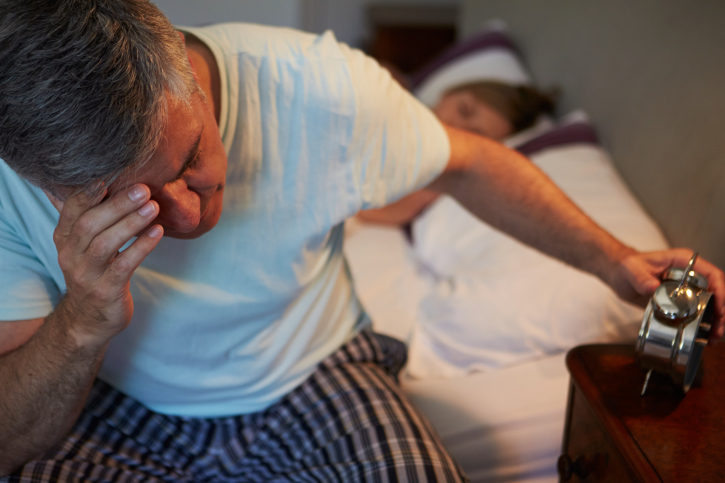 According to a study of 164 healthy people, inadequate sleep could increase the risk of developing a cold. Scientists monitored participants’ sleep patterns for a week, then quarantined them in a hotel for five days and exposed them to a cold virus. Researchers also checked the participants’ blood for an antibody that fights the common cold, then removed participants who had the antibody to make sure those participants would not bias the infection rates of the group.
At the end of the quarantine period, 45.2% of those who slept less than five hours a night exhibited at least one sign of illness—revolving around mucus production—and one other immune response. Of those who slept five to six hours, the cold rate was 30%, compared to 22.7% for those who slept six to seven hours. The rate was only 17.2% for those who got more than seven hours of sleep. At the end of the study, researchers determined that people who slept less than five hours per night were 4.5 times more likely to get sick than those who slept seven hours or more.
I am so sorry to hear about your situation, and cannot imagine the pain you and your wife must be experiencing as she fights her battle against cancer. Let’s get to the root of your questions.
[fat_widget_right]
You love each other. You can’t help being what she needs you to be—she needs you to be you, loving her, and you clearly do. Yes, you will be optimistic if you can and if that helps. Yes, you can cry in front of her after she has had sufficient time to digest the news, and you can cry together to mourn the life that you will not have together, as well as to celebrate the life you have together now and have had to this point. You are grieving. Of course you are grieving. Please allow yourself to grieve in whatever way you need to. Although you say your wife is acclimating to the news better than you are, it’s possible she’s trying to stay “strong†for you, and is grieving inside every bit as much as you are. It’s OK to grieve together. In fact, it could be very helpful. Talk to your wife about what you are feeling and see how she feels about experiencing your grief as a team.
Four years may be a pittance of the time you wished you might have, but it’s also a treasure chest of breakfasts and dinners, fights and laughs, walks and longer journeys, complaints and compliments.
You describe your wife as a fighter, and you sound like you are one, too. You will find ways to be together and do the things you love best. And in those times when grieving in front of your wife doesn’t feel like the thing to do, when you need to scream and holler and let go, it’s absolutely OK to find a private place and do so. You can walk down a busy city street and yell your heart out (I’ve done this myself), or you can hide in the woods and do the same. You can lean on a good friend or family member who will help you mourn and be angry and be thankful, and break apart and heal and hold together.
You have time still to show your love, to enjoy the everyday-ness of being together. Four years may be a pittance of the time you wished you might have, but it’s also a treasure chest of breakfasts and dinners, fights and laughs, walks and longer journeys, complaints and compliments. You will be brave and cowardly, angry and loving, and express all the emotions that humans are capable of feeling, and you will do so both together and separately. All of it is OK. All of it is normal. All of it is whatever you make of it. Please let yourself feel what you feel.
Your wife needs help, yes, but don’t forget that you do, too. You need and deserve supportive people—family, friends, perhaps even groups who will help you through this. You can’t do it alone.
Many hospitals have support groups where people meet and help one another through difficult times. Are you members of a religious or spiritual group? Would you consider working privately with a therapist or counselor—someone just for you, or someone for you both? I highly recommend the empathic support of a therapist to help guide you through the range of emotions you’re feeling right now, especially a therapist who specializes in grief, loss, and bereavement.
I hope you can feel the love and peace that I wish you both.
Take care,
Lynn
 “I wanted a perfect ending. Now I’ve learned, the hard way, that some poems don’t rhyme, and some stories don’t have a clear beginning, middle, and end. Life is about not knowing, having to change, taking the moment and making the best of it, without knowing what’s going to happen next. Delicious ambiguity.â€Â —Gilda Radner
You’ve shown up for work only to be told that your position has been eliminated, and now you find yourself jobless and afraid. You find out that your spouse has been having an affair, and suddenly you are in a panic about what the future holds and how your life will change. You have a health condition and begin to live in a space where nothing seems certain. In moments like these, anxiety takes up residence in our minds: What will the future look like? Can I handle what is coming down the road? Will I be OK?
We’ve all been there at one time of another: stuck in uncertainty. It’s a scary place to be, and can leave you feeling out of control, hopeless, and helpless.
Although each of us differs in how much of life’s ambiguity we can tolerate, there are some situations that challenge even the most risk tolerant among us. Humans love a sense of order and predictability; chaos and the random nature of life can be very scary.
[fat_widget_right]
When you are living with uncertainty and feel like some of your power in life has been taken from your hands, how do you cope? How do you manage to live in that ambiguous place without falling apart or dissolving into stress and worry?
This is a challenge I’ve faced as a person living in the shadow of cancer. As a cancer survivor, living with the knowledge that your cancer could come back and ultimately end your life is a significant challenge. Finding a way to manage and live with that uncertainty is necessary in order to lead a fulfilling and whole life, as it is with all uncertainty we face.
Here are some tips on how to find peace in an uncertain time:
1. Recognize That Total Certainty Is an Illusion
This is where we take a turn for the philosophical. In learning to live with uncertainty, it took me some time to recognize that the life I had been living pre-cancer was not necessarily any more secure than the life I am living post-cancer. In considering the temporary nature of all things and in acknowledging that change can come at any moment, we can see that total certainty in life is but an illusion.
As much as we would like to deny it, we are always in a state of uncertainty. We take for granted that things will remain relatively constant and have a hard time accepting that huge changes can befall us with nary a warning. As distressing as it is to consider, the truth is that your life can change on a dime.
Driving home from work today, you could be hit by another car and find yourself permanently paralyzed. You could find out that your newborn has a significant medical or mental health issue that will impact your family for the rest of your lives. You could arrive home to find that your house has been gutted by fire and you have no place to live. Alternately, a sudden windfall of cash could land in your lap from the estate of Great Aunt Agnes, or you could get a call from the employer of your dreams, asking you to join the team.
We like to believe we have total control over what lies before us, and, in truth, we do maintain a huge amount of control in the trajectory of our lives. But we don’t control all of it. It’s helpful to remember this during hard times. Just because you now recognize the uncertainty in your life because it is bolded, highlighted, and in flashing neon lights doesn’t mean uncertainty wasn’t there before. It just means it wasn’t as in-your-face as it is now.
Knowing that this is the case makes it much easier to accept that uncertainty is not necessarily an indication that things are going all wrong—uncertainty is the natural state of things. Once you recognize this truth, it’s easier to loosen from the grip of anxiety around the unknown.
2. Practice Meditation
A growing body of research shows that meditation can be of tremendous benefit to people coping with anxiety and depression. I will frequently draw in a mindfulness piece when working with people in therapy, and often this includes meditation.
The real benefit of mindfulness meditation is that it allows you to create some distance between you and your automatic thoughts and emotional reactions. Putting even a 15-minute practice into place in the morning will provide a space for your mind to calm and your anxiety to be reduced.
3. Utilize Exercise
I recently attended a workshop focused on releasing stress and trauma held in the body. The woman leading the workshop noted that, in the wild, animals often shake as a way to reduce tension. She pointed out that after an antelope runs from a lion and survives, it will spend some time shaking as a way to discharge the physical tension and release the energy brought on by the fight-or-flight response. Many animals release tension this way, but humans don’t have such a built-in response for discharging the stress we carry. Exercise can function for us in much the same way that the need to tremble functions for a dog.
Running, walking, aerobics, yoga, and weight training are all great for discharging physical and emotional energy that we carry with us during the day. Getting proper physical exercise can also help with getting good sleep, which is essential in thinking clearly and being our optimal selves.
4. Take Action Where You Can
Frequently when we are living with uncertainty, we feel as though our power to control the direction of our lives has been taken from us. This can feel very unsettling, to say the least.
While it’s important to acknowledge that uncertainty is a natural part of life, it’s also important to take action on those parts of your life that you have control over. Sometimes, the only thing we have control over is how we choose to react to the challenges we face. How you choose to face uncertainty is all up to you. Consider how you’d like to move forward with this in mind.
5. Get Support
When difficulties befall you, it’s easy to feel alone. The reality is that each of us experiences suffering. It’s a part of the human condition. The feelings you are feeling have been felt by millions of others. People all over the world, in your town, in your neighborhood, are dealing with uncertainty, too.
Reaching out to others for support can be helpful. Find that friend who has faced some really hard times, who has been through the wringer and kept going. Talk to them about what you are coping with. Some people prefer to seek out a therapist in this circumstance; therapy can be grounding during uncertain times. No matter whom it is, find someone who can help you reconnect with yourself when you start floating into anxiety about what the future holds.
Learning to live with uncertainty is one of the great challenges of life. It’s not an easy task, but learning to tolerate ambiguity is an essential skill for living a satisfying life. It will carry you through many challenging times, and you’ll find yourself living with more appreciation of the moment, which is really all we ever have anyway. Uncertainty can be a great teacher; allow it to be yours!
 The day I had been waiting for had arrived. I’d finished cancer treatment and could move on with my life after nearly a year of difficult treatments. I remember the feeling of elation that followed me after that last day of radiation treatment. I finally felt free. My husband and I took a trip to Hawaii to celebrate, and I felt more alive than maybe ever in my life. It was like I’d been holding my breath for months and now I finally was able to exhale. I’d finally been released from the physical and emotional confinements of cancer treatment.
When I returned from my Hawaiian “cancer-cation,†I found that things were already changing from the way they had been during treatment. There were no more supportive cards arriving in the mail, email check-ins from friends started to dry up, and the fruit baskets stopped arriving. Then the calls offering support started to dry up. Medical appointments became less frequent. Support systems began to fade. And then came the feelings—big, dark, troubling feelings. I found myself thinking, “I could have died; I still could die!†and the recognition that I would be living in the shadow of cancer for the rest of my life began to emerge.
Soon it was time to return to work, and I began to feel the weight of expectations from friends, family, and coworkers. I was done with treatment, and everyone wanted me to return to life as normal. Everyone was expecting it. But I knew I was forever changed and there would be no going back to “the old me.†I began to feel the pull of depression and anxiety, as well as the need to make meaning of my cancer experience. I began to wonder if it was a good time to reach out for help.
[fat_widget_right]
Does this experience resonate with you? It seems to be a common theme among cancer survivors I have worked with. In fact, it’s an experience so common and almost universal to people who have had cancer that many cancer hospitals and treatment facilities are now taking action toward creating survivorship programs that address the ongoing mental health needs of their patients. There is a reason they call the period after cancer “the new normal.†It’s an acknowledgment that the old, precancer life is gone and that we have to make our way to finding a new life for ourselves.
Why do so many of us who have experienced cancer face depression and anxiety post-treatment? Getting a cancer diagnosis is one of the most shocking and frightening experiences a person can face. It is, for many people, a traumatic experience. Even for those who don’t feel traumatized by it, it’s a moment that is seared into our minds forever and something we will never forget.
Immediately after diagnosis, we go through an overwhelming period where we struggle to manage our fears and grasp exactly what we will be facing in our treatment. We often have to make quick decisions about treatment options in a very short period of time. There is little time to process all the fear and trepidation we feel. Then treatment begins and we focus on getting through it. We stuff down our emotions and connect with the warrior part of ourselves. And then treatment ends and emotions that were buried as part of self-protection begin to resurface. The intensity of the feelings we experience can catch us totally off guard.
We may experience anxiety and depression. For many, the end of treatment only marks the beginning of a whole new set of challenges to be faced: how to manage the anxiety and fears of recurrence. How to find meaning in an old life that no longer fits. How to process the enormity of what you’ve been through. You may be feeling as I did—lost and rudderless in a your new, post-cancer identity.
You may be wondering how to get your life back on track after cancer. I wish I could provide you with some kind of a map to guide you, or a spreadsheet detailing exactly what to expect in your emotional and physical recovery. The reality is that just as each of us has a unique cancer diagnosis and treatment experience, each of us will have a different experience in how we process our experience with cancer.
Some will need extra time to recover physically and to reconnect with and forgive a body that betrayed them. Some will want to explore a newfound sense of meaning that they found in their cancer experience. Others may need help in implementing a plan to finally start to put their health and self-care into priority. Some may connect to all of this and more.
If any of this resonates with you, you’ll likely find that connecting with a supportive therapist who understands the issues unique to people with cancer will be helpful to you. The kind of emotional exploration done in therapy will arm you with tools for coping with the depth of emotion you feel and allow you to get back on the path to living in your new, post-cancer identity.
 I woke up to my dad staring blankly at the wall the morning of October 14, 2004. It was the day before my 23rd birthday. I knew this day was coming, but nothing would prepare me to wake up and find my dad no longer alive—just a lifeless shell. He had battled Hodgkin’s lymphoma for a year and a half. At 54, his time here was over.
After my mom and I had cried over his body and walked the body bag down the hall, we decided to go out for lunch. Such an odd next step after your father was here on earth and now is suddenly just … not. We ate steak and potatoes and drank Diet Coke in his honor. It’s these things, I’m pretty sure, that led him down the cancer path, but that’s another story.
When I got home from lunch, I was all alone in the apartment we had lived in together. Strange things started happening. The lights went on and off. The song “Time Is Ticking Out” by The Cranberries was stuck on repeat on my stereo, the caps and num locks on my keyboard blinked back and forth without me touching anything at all, and my quiet cat, Bastian, was staring up at the corner, meowing at the wall. I was sure this was my dad trying to communicate that he had crossed over.
When I looked at him earlier that day and had called out, “Dad?” as if he was going to respond to me … I knew he wasn’t there, but what an odd thing? How can you be there and then … just not be there anymore? This moment made me come to be obsessed with learning about near-death experiences and worlds beyond the physical.
As I attempted to maneuver life, I felt like everyone started to disappear. The relationships my dad had built slowly started to fade. People were as scared to see or talk to me as I was of them, fearful of dealing with the harsh realities that my father was no longer with us. This took such a toll on my heart, as I wanted so badly to connect but had no idea how. How could life have brought me to this place of being 23 and not able to enjoy my dad in my life? Why do other people get this opportunity, yet it was “stolen” from me?
The Real Truth About Death
I continued to explore spirituality, reading many books about near-death experiences. P.M.H. Atwater changed my life with her book, The Real Truth About Death. In this book, Atwater tells the story of physically dying three times, each time going deeper into the afterlife. After returning from the dead, she interviewed more than 3,000 people from around the world who also had near-death experiences. After reading this book, I fully believed there was life after death. How could there not be? So many people from all over the world telling similar stories of tunnels, light, loved ones who had passed greeting them, and many times someone telling them their time is not over and it’s time to go back … doctors who can verify that their heart stopped beating for long periods and they were thought to be totally dead … there are too many similarities from all walks of life, all religions and ages, not to believe.
One evening in September 2008, I had one of the most dramatic spiritual experiences of my existence. I remember this event very clearly because I was conscious for all of it. My father came to me as what I can only describe as a spiritual entity—a ball of energy and white light. I knew it was him because I could feel him. The last time I had felt him in that way, he was alive and here on earth. He told me, “You need to spend more time with your mom because you don’ t know how much longer she’s going to be here.” I took this information very seriously and decided to take the opportunity to have a big 27th birthday party and invite my mom.
The Red Party
In October 2008, I had a red-themed party. Everyone came dressed in their brightest red. It was so good to see my mom, as we were just beginning to become friends again after a long period of post-teenage-into-early-twenties angst and her not fully accepting me dating women (I’d like to note that on my dad’s deathbed, he asked my mom to please accept me for who I am. Without the acceptance, we probably would not have a relationship in life.) This would be the last birthday she would spend with me.
A few days later, I learned that my uncle had taken my mom to the hospital. She was feeling weak and wanted to get checked out. I had planned to meet some new web clients at a cafe on this particular day. I’ll never forget waiting for my clients to arrive and, in the meantime, getting the phone call from my mom. She never expressed too much sadness in my life, but on the other end of the line, she was crying. “Lisa, I have leukemia,” she said. My heart dropped into my stomach. I realized this could be the very moment my father tried to warn me about.
We started the cancer roller-coaster ride of deciding what chemo to get and hospital visits. A few months in, the doctors had told us she was officially in remission. Come to think of it, this may have been a lie my mom had told everyone so we wouldn’t worry. In April 2009, her doctors had a sit-down with us and had the dreaded “there’s nothing else we can do for you” conversation. “All of your inner organs have a tumor wrapped around them.” ARE YOU SERIOUS? Part of me thought it was all a joke, and the other part of me was like, OK … OK universe … I know what’s going to happen. You have prepared me for this once before, and I’m going to have to do this again.
“I’m Sorry You Won’t Have Parentsâ€
Later that day, I sat at my mother’s feet as she placed herself in the Pepto Bismol-colored recliner I had slept in many a night. She said, “I’m sorry you’re not going to have any parents anymore.” (This sentence has echoed in my brain thousands of times since this moment.) We used our time wisely, attempting to get things in order (or at least as in order as my mother would let them be). We watched our favorite movies, like “The Golden Child,†and laughed and cried in each other’s arms. I told her how much I was going to miss her … how much she meant to me, how thankful I was for her having me and everything she did for me in her life. She confided in me about things she would have never told a soul if she had the opportunity to continue on. We giggled at night about farts and stinky feet. I stopped my life to spend as much time with her as I could. I knew this time was precious and measured by the universe. I wasn’t going to let one drop of it go.
I was with her during her last weeks on earth. As the day got closer, she began to see people. My dad and her mother had come to tell her it was soon time. She had also seen people in Bermuda shirts with red balloons getting ready to welcome her. She saw an angel and I asked her to describe her to me. Long, blonde hair, white light around her, beautiful white dress … I could tell my mom was readying herself to transition, and these greetings were comforting to her. I played Enya in the background. Got her a professional, cancer-trained masseuse. Asked friends to join us and play music. The dreaded coma before death finally began to set in, and I wasn’t sure what moment she was going to go; it seemed like every breath could be her last.
Before I left to get some sleep, my mom had woken up with that last energy thrust many speak about (my dad had done the same). She was thirsty and hadn’t had water in what felt like days. I had been wearing a special shirt just for my mom because she liked it. The last thing she ever said to me—and I have no idea how she could have even formed words, because she had been on the edge of death for so long—was, “That’s a pretty shirt.” Hours before she passed, I began to get blank emails sent from no one, with nowhere to reply to and no subject line. Friends came to spend last moments with her. Her body got cold, her temperature was no longer reading on a thermometer … and after midnight on June 23, 2009, I watched my mom take one last, long breath. I had been watching the heartbeat through her neck for hours; after the long sigh that came from her lips, there was no movement at all. She seemed to settle into a peaceful smile. Her brow had calmed … her last day on earth had finally come … and I realized all at once that I was actually, totally, and utterly alone.
I sat with her for a little while, until a crew of people came barreling in to “place” her body so that when rigor mortis set in, she wasn’t in a weird position. They told my uncle and me that we had about an hour and then had to leave, so we gathered up her things and walked out to the parking lot—which may have been even more weird than when I went out to lunch and then went home after my dad died. I told my uncle I loved him, went into my tired, blue jalopy, and cried harder than I had ever cried in my life. I wailed as the idea of being alone in the world sunk in … that I knew this day would come … but I was only 27 and would now have to live out the rest of my days attempting to make sense of being so young and without parents.
The days that followed were the most difficult in my life. Freshly moved by two beloved friends (I will never forget what you did for me) the day after my mom’s funeral, one by one everyone I knew went back to their regularly scheduled lives and I was left in an empty apartment, with no parents and way too much alone time.
A Turning Point
During my mom’s illness, I had started to paint whenever I came home from visiting her or when I felt sadness. Although I had gone to art school, I had never really done much work with the canvas. It gave me peace to move paint around with a brush … my fingers … a random object. It was something I felt was beautiful, that I could control, and that helped me express feelings that continued to bottle up. This was the creative outlet I needed.
For several years, friends had asked me to submit to a local community art show. I felt finally this was the year I was going to submit. I found this painting I had worked on during my mom’s illness and decided to submit it to the show, completely releasing whether it would get bought and just focusing on the satisfaction of the simple act of submitting to a public show I’d always wanted to participate in.
I submitted it very last minute and the piece was placed in what I thought was a semi-punishing, badly lit area of the show. We spent hours at the show and, prior to our departure, my girlfriend and I stopped by for one more look—and there it was: a red dot! The piece had been sold!
Submitting this piece was a complete turning point for me. I learned that I had created a healing method that was between me and me. I could work through feelings by placing energy on the canvas, and suddenly I felt like negative energies such as fear and anxiety were being channeled and released on these canvases. The healing process had truly begun.
In April 2011, I decided I wanted to explore blogging. As a web designer, putting one together was easy, but what kind of writer was I? There was only one way to find out! I told myself that I would write when I felt pain and try to turn it into something positive, creating what has become a recipe book for myself and future life situations. My intention was to connect those who were suffering from parental loss, like I was, and to hopefully help myself and others heal through art, writing, and focusing on the positive. Thus, LosingYourParents.org was born.
My intention is to enjoy the time I have in this life, and if I’m not enjoying it, to figure out what I need to do to get unstuck. I got a tattoo that says “follow your bliss” to always remind me of this thing that can seem so easy to forget.
Using my blog and art has helped me tremendously through the healing process. Those of us who have lost our parents are forever changed and will never forget. I do have faith that if you’re dedicated to wanting to live a brighter, lighter life, doing the work, finding the tools, and feeling the feelings will help you move forward. It has helped me. You’ve got to feel to heal.
 Nicole is 16, and Ethan is 14. Their father, Jack, has battled brain cancer for the past two years. Jack was told recently that further treatment had a less than 10% chance of being successful. Jack wants to enjoy whatever time he has left feeling good and not being wiped out by chemotherapy. While no one wants to say it out loud, it’s clear that this will be Jack’s last Christmas (please substitute Hanukkah, Kwanzaa, etc., as appropriate).
How is Jack’s family supposed to come to terms with this? It can’t possibly be true. After the shock and complete denial subside, the painful reality begins to sink in. A flood of emotions comes with this realization, with profound sadness and anger often topping the list. It’s harder to face if your loved one is young and he or she has young children. The holidays speak of possibilities and are supposed to be a magical time for children; belief is suspended, and all holiday stories have happy endings.
The first step in dealing with this situation is to acknowledge that this will be someone’s last Christmas. Just saying that out loud will address the elephant in the room and help to decrease the stress that family members have been carrying internally. There will be tears, to be sure, but then the family can begin the process of grieving this sad reality together, rather than each member trying to deal with it alone. It is often the case that people don’t share their feelings with each other because they don’t want to be a burden, or want to protect the other person. In reality, family members are usually feeling at least some of the same things: fear, sadness, anger, and disbelief, to name a few.
After getting the topic out in the open, it’s time to think about how you want to celebrate this year. Don’t hold on to traditions if they don’t feel right. If you usually decorate your house to the rafters and host a cocktail party and an open house, it’s perfectly fine to do only some, or none, of those things this year. Every year, we all search for ways to make the holidays less commercialized and more significant. This year, it is especially important to ask yourself what makes the holidays meaningful for your family and your loved one. It may be as simple as sitting on the couch with a cup of eggnog and looking at the lights on the tree. Watching Christmas movies. Listening to Christmas music. Going to a lights display. If your loved one is too ill to go out, he or she may still enjoy the experience by seeing photos of what others have done.
The person who is ill can give the gift of memories to those he or she will be leaving behind by writing letters or creating videos. If you are a parent, your children will one day be interested in what your life was like when you were young/their age. What words of wisdom do you have for them when they get their first boyfriend/girlfriend? Graduate from high school? Get their first job? Get married? Have a child? For some people, it is too daunting to consider making videos/writing letters; it puts them face to face with their own mortality too directly. In that situation, I suggest trying to think about it from your child’s point of view, not your own. The reality is that all of us will die, but not all of us will have the opportunity to choose how we spend the time we have left.
“It is not the magnitude of our actions but the amount of love that is put into them that matters.†—Mother Teresa
People battling cancer often experience fatigue and low energy levels, despite getting adequate rest. Fatigue is one of the largest negative impacts on a cancer patient’s quality of life. In fact, in some surveys, patients identify fatigue as a more bothersome effect of cancer than pain. Treating the secondary effects of advanced disease, including fatigue, is one of the main goals of modern cancer research. Lifestyle interventions, such as physical exercise or group therapy, have yet to demonstrate significant improvement in terms of patient fatigue levels. Pharmaceutical approaches may be most effective in reducing cancer-related fatigue.
Ritalin (methylphenidate) is generally prescribed for attention deficit disorder in children and narcolepsy in children and adults, and it’s available in both immediate and sustained release formulations. There is conflicting evidence as to whether Ritalin might be useful in reducing cancer-related fatigue. While some studies have shown significant improvement in cancer patients’ quality of life after taking this medication, others have produced negative or insignificant results.
With cancer, researchers sometimes have difficulty separating the effects of an experimental treatment from a patient’s routine treatment. The most recent study of Ritalin and cancer fatigue, conducted in part by the Mayo Clinic, showed no significant improvement for all but the most serious cases of tiredness. Participants were placed into drug or placebo groups and administered identical tablets for three weeks. Fatigue and quality of life surveys were conducted at regular intervals. As with all drug research, however, primary effect is not the only consideration; adverse effects must be considered and carefully weighed against the desired outcome.
In the Mayo Clinic study, participants receiving daily sustained-release Ritalin reported nervousness and loss of appetite at a rate far greater than the placebo group. Patients with Stage III or IV cancer and severe fatigue showed the most significant improvement, but they also experienced the most adverse events. Whether or not the potential benefits outweigh risks must be decided on a case-by-case basis. Researchers acknowledged that perhaps immediate release Ritalin could offer greater benefit, and future investigations may take up this line of reasoning. As for now, a non-pharmaceutical approach to managing cancer-related fatigue may still be the safest alternative in most instances.
Fatigue, sleepiness, and even depression often linger for months or years after cancer has gone into remission. In many cases, the effects of cancer treatments are so damaging to healthy cells that full recovery is an uphill struggle. Currently, there is no overwhelmingly effective approach to reducing fatigue in cancer patients and survivors. Ritalin might be useful in advanced stages of the disease, but more study is needed to be certain.
References
- Methylphenidate – PubMed Health. (n.d.). National Center for Biotechnology Information. Retrieved April 16, 2012, from http://www.ncbi.nlm.nih.gov/pubmedhealth/PMH0000606/
- Moraska, A.R., Sood, A., Dakhil, S.R., Sloan, J.A., Barton, D., Atherton, P.J., Suh, J.J. et al. (2010). Phase III, Randomized, Double-Blind, Placebo-Controlled Study of Long-Acting Methylphenidate for Cancer-Related Fatigue: North Central Cancer Treatment Group NCCTG-N05C7 Trial. Journal of Clinical Oncology, 28, (23), 3673-3679.
Repressive coping is a strategy of self-protection that involves dismissing or ignoring strong emotions. People who use repression as a means of coping often do so out of self-defense and tend to experience the same negative emotional symptoms as those who struggle with anxiety. In a new study, Marcus Mund, of the Friedrich Schiller University in Germany, sought to determine if repressive coping also led to the development of physical symptoms associated with anxiety, such as hypertension, asthma, cardiovascular disease and cancer. “If repressive copers repressed unwanted feelings permanently, and if repression of feelings was associated with the mentioned physiological features, it is close at hand to infer that a high proportion of repressors should be affected by pathologically high blood pressure or associated diseases like coronary heart disease (CHD). Indeed, there are numerous studies linking both and showing serologically an increased risk for severe cardiovascular diseases (CVD),†said Mund. “Additionally, repressive coping is assumed to be associated with the development of cancer.†He added, “The same is true for asthma and diabetes, which both can be linked to several immune features.â€
Mund and his colleagues analyzed data from over 6,700 clients. They found that those who repressed their feelings were 31% more likely to be diagnosed with diabetes, CVD, hypertension, asthma or cancer. With respect to cancer, those who used repression coping were 51% more likely to be diagnosed with the illness than those who did not. However, Mund said, “For cancer, the present results imply that repressive coping does not precede the diagnosis, but is rather a consequence of it.†He added, “Concerning CVD, the meta-analysis showed that repressors’ risk of suffering from at least elevated blood pressure is increased by 80% compared to non-repressors.†Mund believes the heightened state of arousal that repressors experience causes an increase in cortisol, which directly affects blood pressure and indirectly affects other somatic symptoms. “The current meta-analysis revealed significant associations between repressive coping, cancer, and cardiovascular diseases, especially hypertension,†said Mund. “These results add to the notion of repressive coping as a consequence of cancer as well as to its important role for the issue of hypertension.â€
Reference:
Mund, M., & Mitte, K. (2011, November 14). The Costs of Repression: A Meta-Analysis on the Relation Between Repressive Coping and Somatic Diseases. Health Psychology. Advance online publication. doi: 10.1037/a0026257
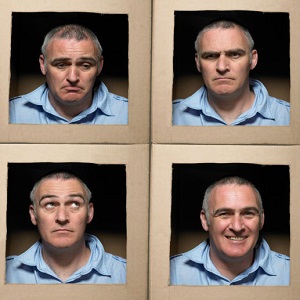 Elijah nicked a mole on his upper lip while shaving one morning. He covered it with tape and went on with his busy day. Managing his fine arts import company and finding distributors that would sell the fine porcelain gave him enormous pride and self-esteem. He enjoyed making a reality out of the unpredictable nature of the business. Rain or shine, sick or not Elijah never missed a day. He always had his finger on the pulse of every part of the trade, and that’s what helped him sleep at night.
Elijah Diagnosis
He didn’t sleep the night his dermatologist diagnosed malignant melanoma from that pesky mole he had found a few weeks ago. It had itched and oozed enough for him to appease his wife and go to the doctor. He had laughed and joked about it, just as he did about most things that may turn out to be bad news. Elijah had been making light of life’s curve balls since he was a kid. It made people laugh. It also made everyone take their eye off the ball and pay the price later. Elijah would just give them a huge slap on the back as if everything was a jest. He never acknowledged his feelings, and pretended to be a happy, humorous person with not a care in the world. He would change the subject when ever anyone talked about something serious, denying them and himself of empathy, comfort, and genuine support.
Pretending All Is Well
Elijah’s joking helped his mother cope when his father got drunk and lost jobs. The boisterous joviality was a great cover for his anger at his father which he refused to discuss. Marvin, on the other hand, was the opposite of his brother. He berated the memory of their father after his parents divorced and openly despised his mother’s helplessness. Elijah cheered her up and sacrificed his childhood to care for her. [fat_widget_left]Elijah ignored his emotions and ended up with malignant melanoma, while Marvin acknowledged his negative feelings and got help to process his traumatic childhood experiences, resulting in a healthier adult life.
Stress Builds
Elijah suffered long-term, constant stress from early in his life. That makes his stress chronic and toxic. It became so much a part of his life that he no longer recognized it as anything unusual. If you asked him about taking care of his mother when she was depressed, getting himself to school, and making sure the household bills were paid, he would probably say it was no big deal. He wasn’t consciously aware of the stress.
Stress Hormones and Melanoma
Elijah’s denial of his emotions is typical of individuals with melanoma. In a 1984 study reported in the Journal of Psychosomatic Research melanoma subjects had little or no awareness of their stress as measured by stress hormones and electrical skin reactions that reflect physiological stress. In contrast, cardiovascular patients and those with no illness were able to recognize and acknowledge their stress. This suggests that melanoma patients were repressing their conscious awareness of stress. As Gabor Mate says in his book When The Body Says No: Understanding The Stress-Disease Connection, “People can experience emotional stress with measurable physical effects on their systems—while managing to sequester their feelings in a place completely beyond conscious awareness.â€
Chronic stress, such as that which Elijah experienced, triggers the growth of melanoma cells when skin is exposed to UV rays. The effects of the stress are cumulative over years, striking slowly over time, until that mole is visible. The Journal of the National Cancer Institute, 2010, indicates that the stress hormone norepinephrine increases the number of proteins responsible for accelerating tumor growth. Short pieces of RNA, which normally block these proteins, disrupt the normal cycle of protein production, leaving proteins to morph into oncogenes (cancer producing genes) causing metastatic melanoma. The disease has likely already spread by the time that one mole shows up and gets treated.
The Type C Personality
Many studies have found a series of common coping styles that have been described as “type C” or the “cancer personality.” The most important of these is dealing with negative emotions that trigger stress by suppressing and repressing them. In particular, the repression of anger while pretending to be happy. In order to deflect conflict and maintain relationships type C personalities show an easy going exterior, while living an inner hell. They are more likely to act in ways that are self-sacrificial, appeasing, patient, and accepting. The stress caused by suppression releases massive amounts of hormones that damage the natural cycle of cell growth and death, leading to cancer.
The American Cancer Society reports that there are 48,000 cases of melanoma diagnosed each year, and of those, 8,000 will die from metastatic melanoma. The repression of emotions, especially anger, appears to be a major factor that contributes to chronic stress which stimulates the production of cancer cells. Elijah may have lived his life as a type C person, but he still has a good chance of survival, if he chooses to express his childhood anger and reduces the stress in his body. Acknowledging and expressing his feelings can offer a healthier way of coping without having to pretend, putting his life at even greater risk.