
Life throws curveballs at everyone, and kids are no exception. From navigating social pressures and academic demands to dealing with family changes and personal struggles, childhood can be a rollercoaster of emotions. Just like we take our children to the doctor for physical checkups, it’s equally important to prioritize their mental well-being.Â
What is Child Therapy?Â
Child therapy is a safe and supportive space where children can explore their feelings, develop coping skills, and learn to navigate the challenges they face. It’s not just for kids with serious mental health diagnoses; therapy can benefit children of all ages and backgrounds.Â
Signs Your Child Might Benefit from Therapy:Â
- Changes in Behavior:Â Â
- Increased aggression or irritabilityÂ
- Withdrawal from friends and familyÂ
- Sudden changes in eating or sleeping habitsÂ
- Difficulty concentrating or focusingÂ
- Self-harm or suicidal thoughtsÂ
- Emotional Difficulties:Â Â
- Excessive anxiety or worryÂ
- Persistent sadness or low moodÂ
- Frequent anger or frustrationÂ
- Difficulty managing emotionsÂ
- Low self-esteemÂ
- Difficulty focusing in schoolÂ
- Poor grades despite effortÂ
- Frequent absences or tardinessÂ
- Difficulty making or maintaining friendshipsÂ
- Bullying or being bulliedÂ
- Social isolationÂ
The Benefits of Child Therapy:Â
- Improved Emotional Regulation: Therapy helps children understand and manage their emotions in healthy ways. They learn to identify triggers, cope with stress, and express themselves effectively.Â
- Enhanced Social Skills: Therapists can help children develop crucial social skills, such as communication, empathy, and conflict resolution. This can improve their relationships with peers, family, and teachers.Â
- Increased Self-Esteem and Confidence: Therapy provides a safe space for children to explore their strengths and weaknesses. They learn to value themselves and build confidence in their abilities.Â
- Improved Academic Performance: When children are emotionally and mentally well, they are better able to focus, learn, and succeed in school.Â
- Stronger Family Relationships: Therapy can improve communication and understanding within the family. Family therapy sessions can help address family dynamics and improve overall family functioning.Â
- Long-Term Mental Health: By addressing mental health concerns early on, therapy can help prevent the development of more serious mental health issues later in life.Â
Finding the Right Therapist:Â
- Seek Recommendations: Talk to your pediatrician, school counselor, or other trusted adults for recommendations.Â
- Consider Your Child’s Needs: Look for a therapist with experience working with children who have similar challenges to your child.Â
- Schedule a Consultation: Most therapists offer a free initial consultation to discuss your child’s needs and answer your questions.Â
- Build a Rapport: It’s important for your child to feel comfortable and safe with their therapist.Â
Remember:Â
Seeking therapy for your child is a sign of strength, not weakness. It shows that you care about their well-being and are committed to supporting their mental health.Â
It can be tough to know when to consider therapy for your child, but some signs may indicate that professional help is needed. Here’s a closer look at child therapy, how it works, and when you might want to consider it. Â
What is Child Therapy, and How Does it Work?Â
Child therapy is a type of therapy that specifically focuses on the emotional, physical, behavioral, and cognitive areas of your child’s healthy development.Â
Child counselors can help kids with many different issues including trauma, anxiety, depression, behavioral problems, and social skill deficits.Â
Child counselors use a variety of techniques to help kids, such as play therapy, art therapy, and talk therapy. Â
Play therapy uses play to help kids better communicate their feelings; this technique can include directive play therapy and/or nondirective play therapy. Â
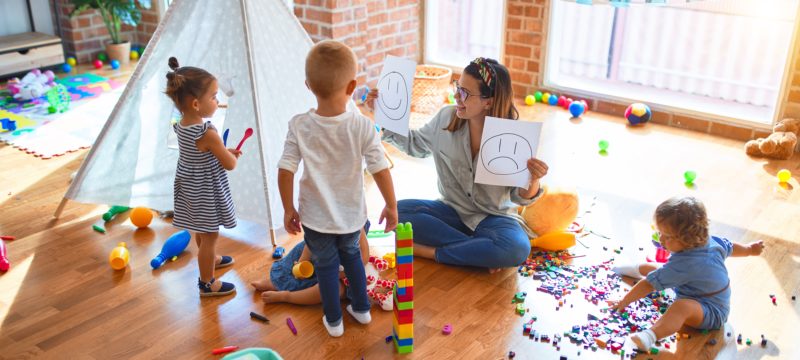
Directive play therapy is structured with a specific goal in mind. The therapist plays an active role in selecting the play materials and activities. For example, they offer the child a puppet to engage them in conversations about their present life situations.Â
In nondirective play therapy, the child to selects their own toys and materials. The therapist provides an encouraging, non-judgmental environment while the child leads the play session with minimal instruction.Â
Art therapy uses art to help kids express the emotions and experiences they may not be able to express verbally. An art therapist may use a variety of art techniques, including drawing, painting, sculpture, and collage building. Â
Talk therapy involves talking with a therapist about emotions and experiences. There are various types of talk therapy, with cognitive behavioral therapy (CBT) and Acceptance and commitment therapy (ACT) being some of the most popular.Â
Cognitive Behavioral Therapy and Acceptance and Commitment Therapy
CBT is a common type of talk therapy that helps children learn to manage their emotions and behavior. CBT focuses on changing negative thought patterns to change negative behaviors.Â
CBT teaches children skills such as how to identify and label their feelings, how to understand and express emotions in appropriate ways, and how to problem-solve. Â
Through CBT, the child can learn to recognize and challenge their negative thoughts, eventually leading to improved mental health and increased self-confidence.Â
ACT focuses on helping children identify and shift their core beliefs, values, and assumptions about themselves and the world. Â
The goal is to help children develop a sense of self-awareness and acceptance, as well as the ability to commit to positive change. It also emphasizes the importance of mindfulness, which is the ability to be present and non-judgmental in the moment. Â
In addition, ACT teaches children how to effectively cope with difficult emotions, using techniques such as refocusing and accepting without judgement. Â
Both ACT and CBT have been shown to be effective in treating a variety of child mental health disorders, including anxiety disorders, depression, and conduct disorder. Â

Why Therapy Might Be Necessary for Some KidsÂ
Many parents would agree that children have a lot more to deal with these days. Between the back-to-school rush, classroom bullies, and worries about the Covid pandemic, it’s no wonder that children sometimes struggle to cope. Â
They’re having trouble in schoolÂ
Back to school is a time of excitement for many children and it can also be overwhelming. For some children, particularly those being bullied, the start of a new school year can trigger anxiety and depression.Â
Some children may struggle throughout the school year in other ways. If your child has a hard time keeping up with their schoolwork or is habitually disruptive in class, therapy can help them learn how to identify the root problem and cope with their stressors to make academic progress.Â
They’ve experienced bullying
Bullying is a serious problem that can have lasting effects on its victims.  Nearly 67% of children experience bullying at some point, with 1 in 4 (24%) of children experiencing chronic bullying. Â
Children who are bullied may suffer from depression, anxiety, and low self-esteem. A child therapist can provide support and guidance as well as help your child develop healthy coping techniques and exercises. Â
But what if it’s your child that’s being the bully? Often, bullying is a way for children to express underlying feelings of sadness, insecurity, or anger. Child counselors can work with your child to understand the root causes of their bullying behavior. Â
By helping your child to understand and process these emotions, child counselors can help them to find more constructive ways of dealing with their feelings. They can teach your child new coping strategies, social skills, and anger management techniques. Â
Child counselors can also provide support and guidance for you as a parent. They can help you to develop an effective parenting strategy that will address your child’s needs and help to prevent future bullying behavior.Â

They’re having difficulty making or keeping friendsÂ
If your child is having trouble making friends or maintaining friendships, therapy can help them develop the social skills necessary to build and maintain relationships. Â
Child therapy can also help them identify any negative thought patterns or behaviors that may be holding them back from forming healthy friendships. Â
They’re behaving aggressively or defiantlyÂ
Children struggling emotionally may act out as a way of expressing their feelings. This can manifest itself as getting into trouble at school or lashing out at siblings at home.Â
Classroom behavioral issues were the most common reason for school exclusion. Children with learning difficulties and mental health diagnoses were more likely than other kids to be excluded from school.Â
If your child is acting out in anger or constantly testing boundaries, it may be a sign that they need help learning how to cope with their emotions in a healthy way. Â

They’ve experienced a traumatic event Â
If your child has experienced a traumatic event, such as the death of a loved one, a natural disaster, or abuse, therapy can help them process their feelings and start to heal. Â
They had a tough time with CovidÂ
COVID has been tough on everyone, but it has been especially hard on children. Many had to deal with the closure of schools and childcare facilities, the sudden loss of social interaction, and the stress of their parents working from home. Â
As a result, many children are struggling with depression and anxiety. Child therapy can be incredibly helpful in dealing with the challenges of COVID. A child counselor can give you ways to ease your child’s anxiety and help them cope in these difficult times.Â
Signs your child may be struggling with anxiety or depressionÂ
As a parent, it can be difficult to know when your child is just going through a phase or if they may be facing something more serious. Here are some signs that your child may be struggling with anxiety or depression:Â
Persistent sadness or irritabilityÂ
If your child seems persistently sad or irritable, it may be more than just the regular ups and downs of childhood. While every child experiences mood swings from time to time, watch for warning signs that the sadness or irritability goes beyond a passing phase. Â
If your child has difficulty enjoying activities they used to enjoy, loses interest in friends or hobbies, engages in negative self-talk or demonstrates changes in eating or sleeping patterns, it may be a sign of something more serious.Â
Excessive worry or fearÂ
Children with anxiety may have excessive worry or fear about things that other children their age wouldn’t give a second thought. If your child’s fears are interfering with their ability to conduct everyday tasks or communicate with their friends and family, it’s worth investigating further.Â
Constant physical complaintsÂ
If your child is constantly complaining of physical symptoms like headaches, stomachaches, and fatigue, it may be a sign that they’re experiencing anxiety or depression. Â

Finding the right child counselorÂ
Child therapy is not limited to children who are experiencing mental health issues or traumatic events. In fact, child therapy can help with a number of issues including self-esteem, academic difficulties, and family relationships. Â
Child counselors are trained to work with children of all ages and to help them overcome a variety of challenges. If you are concerned about your child’s development or well-being, child therapy may be an option worth exploring.Â
GoodTherapy can help you find the right child counselor. Our team is committed to educating the public on the benefits of therapy, reducing stigma, and connecting people seeking help with carefully screened professionals.  Â