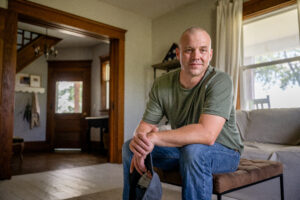
 My journey from the disciplined ranks of a US Army combat engineer to a bastion of support for those battling internal wars has been both enlightening and deeply personal. This path, paved with both my own experiences and those of the individuals I’ve had the honor to help, underscores a critical yet often overlooked side of veteran care: the silent, unseen wounds of PTSD and complex trauma. Through this article, I aim to delve into the transformative potential of trauma-informed care, advocating for a shift from merely enduring survival to embracing a thriving existence, especially for veterans confronting the specter of suicidal ideation.Â
Unveiling PTSD and Complex TraumaÂ
PTSD and complex trauma are more than clinical terms; they are lived realities for countless veterans, embodying the enduring aftermath of combat and service. Unlike physical injuries, which are visible and quantifiable, these mental health challenges lurk unseen, their symptoms echoing the tumult of past traumas. Veterans may find themselves in the grip of intense flashbacks, plagued by insomnia, or wrestling with an incessant sense of alertness that transforms even the most mundane environments into potential threats. Such manifestations are not merely remnants of their service but pervasive influences that color every side of their daily lives.Â
The journey of understanding these conditions is akin to navigating a labyrinth, where each turn reveals new challenges and complexities. PTSD, traditionally associated with a singular traumatic event, can sometimes overshadow the nuanced and compounded nature of complex trauma, which arises from prolonged exposure to distressing experiences. This distinction is crucial in tailoring interventions and support systems that acknowledge the depth and breadth of the trauma experienced by veterans.Â
The Silent Battle Within: A Closer LookÂ
Beyond the clinical symptoms lies a more profound struggle—a battle for identity, meaning, and connection. Many veterans, accustomed to the camaraderie and purpose found within the military, find themselves adrift in civilian life, where their experiences seem alien and incomprehensible to those around them. This disconnection fosters a sense of isolation, worsening the symptoms of PTSD and complex trauma and, tragically, steering some toward suicidal ideation.Â
The story of “John” (a pseudonym to protect confidentiality) is illustrative of this struggle. A veteran of multiple deployments, John’s return home was marked not by peace but by a relentless battle with his memories and a pervasive sense of dislocation. In our sessions, it became clear that John’s journey to healing needed more than just coping strategies; it demanded a redefinition of his relationship with his past and a rekindling of hope for his future. Through a concerted approach grounded in trauma-informed care, we embarked on this journey together, navigating the intricacies of his experiences with empathy and patience.Â
Trauma-Informed Care: A Beacon of HopeÂ
The essence of trauma-informed care lies in its acknowledgment of trauma as a pervasive element that influences the physical, emotional, and psychological well-being of individuals. This approach shifts the paradigm from pathology to understanding, emphasizing the need for safety, choice, collaboration, trustworthiness, and empowerment in the therapeutic process. It challenges us to see beyond the symptoms, to recognize the person grappling with the trauma, and to tailor our interventions in a manner that is respectful, informed, and healing centered.Â
For veterans like John, and indeed for many others, trauma-informed care offers a pathway out of the darkness. It is not a quick fix but a journey—a process of rebuilding trust, redefining self-worth, and rediscovering purpose. By integrating principles of safety and empowerment, we create a therapeutic environment where veterans can explore their traumas without fear of judgment, where their stories are heard and validated, and where healing begins with understanding.Â
Expanding the Narrative: Education, Advocacy, and Community EngagementÂ
The journey from service to support does not end with individual therapy; it extends into the realms of education, advocacy, and community engagement. It is about broadening the narrative around veterans’ mental health, challenging stigmas, and fostering a society that recognizes the sacrifices of its veterans not just in words but in actions. By educating healthcare professionals, policymakers, and the public about the realities of PTSD and complex trauma, we can build more robust support systems that reflect our collective gratitude and responsibility towards those who have served.Â
In ConclusionÂ
The transition from surviving to thriving is more than a personal journey for veterans; it is a societal imperative. As we continue to explore and advocate for trauma-informed care, we not only aid in the healing of our veterans but also enrich our collective human experience. The scars of service, though unseen, are indelible markers of sacrifice and resilience. By acknowledging these wounds, by offering our understanding, empathy, and support, we honor the entirety of the veteran experience, fostering a community where healing is not just possible but embraced.Â

Understanding Intergenerational Trauma: An Introduction for Clinicians
January 8, 2021 • By Dr. Fabiana Franco, PhD, DAAETS
by Dr. Fabiana Franco, PhD, DAEETS
Simple trauma describes a single, circumscribed traumatic event (such as an assault). Complex trauma occurs when a person experiences a series of repeated traumatic events or when new, unique traumatic incidents occur such as natural disasters. Complex trauma early in life can damage multiple aspects of the child’s development. Complex trauma may involve entire families in incidents of violence, addiction, or poverty. (1)
Historical Trauma
Historical trauma refers to traumatic experiences or events that are shared by a group of people within a society, or even by an entire community, ethnic, or national group. Historical trauma meets three criteria: widespread effects, collective suffering, and malicious intent (2). Historical Trauma Response (HTR) can manifest as substance abuse, suicidal thoughts, depression, anxiety, low self-esteem, anger, violence, and difficulty in emotional regulation (3)
Intergenerational Trauma
Intergenerational trauma (sometimes referred to as trans- or multigenerational trauma) is defined as trauma that gets passed down from those who directly experience an incident to subsequent generations. Intergenerational trauma may begin with a traumatic event affecting an individual, traumatic events affecting multiple family members, or collective trauma affecting larger community, cultural, racial, ethnic, or other groups/populations (historical trauma). Those affected by intergenerational trauma might experience symptoms similar to that of post-traumatic stress disorder (PTSD), including hypervigilance, anxiety, and mood dysregulation.
Intergenerational trauma was first identified among the children of Holocaust survivors (4), but recent research has identified intergenerational trauma among other groups such as indigenous populations in North America and Australia (3)(5). In 1988, one study showed that children of Holocaust survivors were overrepresented in psychiatric referrals by 300% (6). The subjects were selected based on having at least one parent or grandparent who was a survivor.
Parenting as an Explanation for the Phenomenon of Intergenerational Trauma
While the existence of intergenerational trauma is well documented in multiple studies across several cultures, the mechanisms of transmission of intergenerational trauma remain unclear.
Trauma’s Effects on Parents
Parents may transmit inborn genetic vulnerabilities triggered by their own traumatic experience or via parenting styles that have been impacted by their trauma (7). Trauma survivors face many challenges when they are parents, including difficulty bonding to and creating healthy emotional attachments with their children. Yael Danieli categorized four adaptation styles amongst the families of survivors: Numb, Victim, Fighters, and Those Who Made It. Survivors who become numb seek silence by self-isolating, have a very low tolerance for stimulation of any kind, and are minimally involved in raising their children. Victims fear and distrust the outside world, try to remain inconspicuous, and are frequently depressed and quarrelsome. Fighters focus on succeeding at all costs and retaining an armor of strength, making them intolerant of weakness or self-pity. Those Who Made It are characterized by their pursuit of socio-economic success but also by the ways in which they intentionally distance themselves both from their experience of trauma and from other survivors (8).
Effects on Children
Children experience and understand the world primarily through direct caregivers and are, therefore, profoundly affected by their parents’ modeling. Children both mimic their parents’ behaviors and learn to navigate future relationships based on how they learned to relate to their parents. Enduring coping mechanisms due to the effects of trauma may be forged out of efforts to avoid and/or “fix†a parent’s abusive behavior, anger, depression, neglect, or other problematic behaviors.
GoodTherapy members with Basic, Premium, and Pro memberships are invited to submit articles for the GoodTherapy blog. Not a member yet? Learn more here.
The Great Famine in Ukraine of 1932-1933 and Intergenerational TraumaÂ
The Holodomor (derived from the Ukrainian “to kill by starvationâ€â€˜) is also known as the Famine-Genocide in Ukraine, the Terror-Famine, the Great Famine, or the Ukrainian Genocide of 1932–33. It resulted from deliberate actions on the part of the authorities in Soviet Ukraine who, under the direction of Joseph Stalin, sought to force collectivization on the ethnic Ukrainian peasant population. This resulted in the deaths of millions (11).
In 2010, Brent Bezo conducted a pilot study to understand the generational impact of the Holodomor. Bezo interviewed 45 people from three generations of 15 Ukrainian families. The first generation survived through the Holodomor: the second and third generations were their children and grandchildren.
The study revealed that the coping mechanisms that the direct survivors had developed during the genocide were retained in the family system and passed down to their children and grandchildren. They described living in “survival mode,†including difficulty trusting people, a food-scarcity mentality, low self-worth, hoarding, social hostility, and risky health behaviors (10).
Aboriginal Communities in Canada and Intergenerational TraumaÂ
Aboriginal communities in Canada suffered from sustained trauma. For generations, Canada tried to forcibly assimilate Aboriginal people by placing them in residential schools, removing children from their families, and generally attempting to eradicate their culture and traditions (5).
The effects of this prolonged trauma have impacted First Nations groups on individual and collective levels, including markedly high rates of depression and self-destructive behaviors compared to the non-Aboriginal population. One of the challenges for mental health professionals working with community members is to understand the effects of intergenerational trauma on their clients, including a well-earned mistrust in the ministries of outsiders.
When Trauma is not Acknowledged – Learning From the Armenian Genocide
Mental health professionals are often unfamiliar with the history of those they seek to treat. Unrecognized and, therefore, unacknowledged traumatic events, such as family trauma or childhood trauma will go on to pose unique challenges for both client and clinician.
Trauma Denied
The Armenian Genocide, during which the Ottoman Turkish Empire massacred 1.5 million Armenians in 1915, is an example of historical trauma that has often been either minimized or denied outright. In fact, the mass murder of Armenians, Assyrian, Greek, and other Christian and religious minority populations of the Ottoman Empire between 1914 and 1923 has yet to be acknowledged as a genocide by the Turkish government (11). It can be especially challenging to cope with an injury while you are still fighting for its acknowledgment a century after it was inflicted. Additionally, due to this lack of formal recognition, Armenian survivors find it difficult to trust non-Armenian mental health professionals with their history and pain (12).
Coping: Family Closeness
Dagirmanjian suggested narrative therapy as a treatment with Armenians (12). Narrative therapy allows survivors to embody and settle into their perception and view of themselves (11). Another important key to working with Armenians is understanding the way Armenians value family closeness. This trait has sometimes been misunderstood and even considered unhealthy by Western clinicians who have been trained to approach family therapy with the goal of promoting individuation (12). In general, it is crucial for the mental health professional to understand the cultural context of the person suffering from trauma, including intergenerational trauma, to provide the most effective and sensitive treatment.
When Trauma Attacks the Core of a Person’s IdentityÂ
Systematic attacks on a person or group’s identity, such as the Holocaust or the Aboriginal experience, are particularly damaging because identity and tradition are essential to perceived meaning in life. Victor Frankl, in his book, Man’s Search for Meaning, describes the imperative for people to feel securely connected to meaning in their life: without specific meaning, it is literally impossible to live (13).
In approaching survivors of historical trauma in which the intent was not only to inflict pain or kill but to demean and, ultimately, erase the identity of an entire people, the therapist must be aware that recovery requires the restoration of morale, identity, and purpose.
Culturally-Mindful Interventions
In Canada’s Aboriginal communities, intergenerational trauma treatment is complicated due to high substance use (which is itself likely a sequela of historical trauma). A valuable 2015 study (14) demonstrated the importance of blending Aboriginal and Western healing methods to treat intergenerational trauma when it was associated with substance use disorder among Aboriginal people in Canada (14). A vital element in this approach is reclaiming and recovering Aboriginal identity, including traditions, philosophies, and practices, and adapting them to current circumstances and needs. Programs that enhanced identity through cultural affiliations, increased cultural awareness through healing circles and family involvement, and were strongly influenced by traditional Aboriginal spirituality contributed significantly to decreases in substance use, domestic violence (which are often associated with substance use), and an overall increase in individual and communal healing (14).
The Role of Epigenetics in Intergenerational Transmission of TraumaÂ
Maternal stress and trauma are associated with health consequences for both mother and child, including low birth weight, fetal growth, and preterm delivery (15). The effect of maternal stress and trauma translate into additional risks for the infant later in life, including hypertension, heart disease, Type II diabetes mellitus, and even cancer (16).
Epigenetics refers to the study of heritable changes in gene expression in response to behavioral and environmental factors that do not change the underlying DNA sequence. In other words, epigenetics is the study of inherited changes in phenotypical properties without a difference in the inherited genetic makeup. Recent studies demonstrate that traumatic events can induce genetic changes in the parents, which may then be transmitted to their children with adverse effects (17).
In 2005, a study conducted to better understand the relationship between the PTSD symptoms of women exposed to the World Trade Center collapse on September 11, 2001, and their infant children’s cortisol levels found lower cortisol levels both in the mothers and their babies (18). Cortisol is a hormone released through the adrenal gland which helps regulate stress response. These findings speak to the importance of factoring epigenetic effects into our evolving understanding of how posttraumatic effects may be transmitted across generations (18).
Take Away Lessons for Mental Health Professionals Treating Intergenerational TraumaÂ
Intergenerational trauma may be transmitted through parenting behaviors, changes in gene expression, and/or other pathways that we have yet to understand fully. These may be biological, social, psychological, and/or a mixture of all three. As we trace these modes of transmission, practitioners will be better able to match interventions to specific factors that either propagate traumatic effects across generations or mitigate against their transmission. Different sources of intergenerational trauma will likely require different approaches. Innovative treatments for multigenerational trauma that borrow from indigenous cultures, acknowledge historical trauma, connect to group identity, and support survivors in finding meaning and purpose in their experience and that of their family and people are already providing practical tools for practitioners and point the way towards future progress for future generations.
References
(1) Courtois, C. A. (2008). Complex trauma, complex reactions: Assessment and treatment. Psychological Trauma: Theory, Research, Practice, and Policy, S(1), 86-100. Accessed August 24, 2017.
(2) O’Neill L, Fraser T, Kitchenham A, McDonald V (June 2018). “Hidden Burdens: a Review of Intergenerational, Historical and Complex Trauma, Implications for Indigenous Familiesâ€. Journal of Child & Adolescent Trauma. 11 (2): 173–186.
(3) Maria Yellow Horse Brave Heart “The historical trauma response among natives and its relationship to substance abuse: A Lakota illustration.†Journal of Psychoactive Drugs 35(1).
(4) Fossion P, Rejas MC, Servais L, Pelc I, Hirsch S (2003). “Family approach with grandchildren of Holocaust survivorsâ€. American Journal of Psychotherapy. 57 (4): 519–27.
(5) Aguiar, W. & Halseth, R. (2015). Aboriginal peoples and Historic Trauma: The processes of intergenerational transmission. Prince George, BC: National Collaborating Centre for Aboriginal Health.
(6) Sigal, J. J., Dinicola, V. F., & Buonvino, M. (1988). Grandchildren of Survivors: Can Negative Effects of Prolonged Exposure to Excessive Stress be Observed Two Generations Later? The Canadian Journal of Psychiatry, 33(3), 207–212.
(7) Bowers, M. E., & Yehuda, R. (2016). Intergenerational Transmission of Stress in Humans. Neuropsychopharmacology: official publication of the American College of Neuropsychopharmacology, 41(1), 232–244.
(8) Danieli, Y. (1981). Differing adaptational styles in families of survivors of the Nazi Holocaust: Some implications for treatment. Children Today, 10: 6-10.
(9) Werth, Nicolas. 2007. “La grande famine ukrainienne de 1932–1933.†In La terreur et le désarroi: Staline et son système, edited by N. Werth. Paris. ISBN 2-262-02462-6. p. 132.
(10) DeAngelis, T. (2019, February). The legacy of trauma. Monitor on Psychology, 50(2). http://www.apa.org/monitor/2019/02/legacy-trauma
(11) Mangassarian, Selina L. (2016). 100 Years of Trauma: the Armenian Genocide and Intergenerational Cultural Trauma, Journal of Aggression, Maltreatment & Trauma, 25:4, 371-381
(12) Dagirmanjian, S. (2005). Armenian families. In G. McGoldrick & N. Garcia-Preto (Eds.), Ethnicity and family therapy (pp. 437–450). New York, NY: Guilford.
(13) Frankl, V. E. (1984). Man’s search for meaning: An introduction to logotherapy. New York: Simon & Schuster.
(14) Marsh, T.N., Coholic, D., Cote-Meek, S. et al. Blending Aboriginal and Western healing methods to treat intergenerational trauma with substance use disorder in Aboriginal peoples who live in Northeastern Ontario, Canada. Harm Reduct J 12, 14 (2015).
(15) Dunkel-Schetter, C, Wadhwa, P, & Stanton, AL. (2000). Stress and reproduction: Introduction to the special section. Health Psychol; 19(6): 507-509.
(16) Barker, D. J. P. (1998). Mothers, babies and health in later life (2nd ed,). Edinburgh: Churchill Livingstone.
(17) Yehuda R, Bierer LM (2009). The relevance of epigenetics to PTSD: implications for the DSM-V. J Trauma Stress 22: 427–434.
(18) Yehuda, Rachel, Mulherin Engel, Stephanie, Brand, Sarah R., Seckl, Jonathan, Marcus, Sue M., Berkowitz, Gertrud S., Transgenerational Effects of Posttraumatic Stress Disorder in Babies of Mothers Exposed to the World Trade Center Attacks during Pregnancy, The Journal of Clinical Endocrinology & Metabolism, Volume 90, Issue 7, 1 July 2005, Pages 4115–4118.
GoodTherapy members with Basic, Premium, and Pro memberships are invited to submit articles for the GoodTherapy blog as a part of their membership. Not a member yet? Learn more here.
© Copyright 2021 GoodTherapy.org. All rights reserved. Permission to publish granted by Dr. Fabiana Franco, PhD, DAAETS
 Traumatic stress involves a threat to a person’s life or physical integrity. It can have a profound impact on the brain, nervous system, and peripheral bodily systems. The impact of trauma on our emotional and mental health is discussed at length in the literature. However, trauma’s impact on the peripheral body (the peripheral nervous system, as well as the muscles and internal organs it connects to) is less understood. Said impact is often not considered in primary health care or even a therapist’s office.
Physicians and therapists need to understand that trauma impacts more than emotional and mental health. While the mechanism is not fully understood, we know from large, population-based studies that traumatic stress is a factor in chronic diseases such as cardiovascular disease (CVD). An investigation that was conducted across diverse populations showed that people experiencing depression, posttraumatic stress disorder (PTSD), and anxiety are at an elevated risk of dying from cardiovascular disease.
How trauma affects the heart
Trauma is associated with behavioral factors that affect heart health and lead to an increased risk for CVD. Individuals with a history of trauma are more likely to:
- Begin smoking.
- Have low levels of physical activity.
- Abuse illicit substances and/or alcohol.
- Refuse to take medicines prescribed by doctors or follow doctors’ orders after a cardiac event.
In addition, evidence suggests there are biological effects of traumatic stress that occur independently of behavior. For example, individuals with past trauma show elevated biological markers of inflammation. In other words, traumatic stress increases inflammation in the body. In turn, inflammation has been shown to increase the risk of CVD. The effects of traumatic stress on inflammation and the subsequent link to CVD is likely to play a key role in the causal connection between trauma and CVD.
The effects of trauma on inflammation seem to hold over time. A study designed to assess trauma and inflammation looked at a sample of 1,021 individuals aged 40-90 years. Higher lifetime trauma exposure was linked to increased levels of biological markers of inflammation at baseline and after five years.
Complex trauma
Complex trauma and its related condition, Complex Posttraumatic Stress Disorder (C-PTSD), is different than PTSD. The cause of PTSD can be a one-time incident or group of incidents such as combat, a natural disaster, or a car accident. Meanwhile, complex trauma results from exposure to ongoing trauma over an extended period of time. Child abuse or neglect and ongoing interpersonal (relationship) trauma tend to meet the criteria for complex trauma.
The data suggest that taking steps to take better care of our bodies is extra important if we have a history of trauma. Prolonged trauma over the course of childhood results in a different cluster of symptoms and outcomes. It is sometimes more difficult to diagnose and treat. Clients with a history of prolonged trauma are exposed to elevated risk for CVD on multiple levels. Studies have found that the cumulative effects of prolonged trauma are associated with elevated levels of inflammation and have the most potent effects on one’s physical health.
What can be done today?
Studies show patients with CVD demonstrate higher biological markers of inflammation following acute mental stress as well as higher levels of circulating stress hormones. In addition to the ongoing physiological effects, childhood trauma exposure is also associated with unhealthy behaviors that further increase the risk of developing CVD.
In some cases, gaining a better understanding of how state-of-mind and health habits affect our bodies in a concrete way (such as cardiovascular risk) motivates us to make changes. The data suggest that taking steps to take better care of our bodies is extra important if we have a history of trauma. Similarly, taking steps to care for our mental health can mitigate the damage that PTSD and C-PTSD can inflict.
Therapeutic interventions are effective for PTSD and related symptoms. A trained professional can teach you strategies to deal with difficult emotions such as fear, worry, anger, and sadness. They can also help you with emotion regulation by providing the support necessary for healing.
Dealing with trauma needs to be a holistic venture, where the body, emotions, and mind are all addressed and nurtured. In addition to taking steps to improve physical health, individuals are also encouraged to seek therapy to protect their heart on every level possible.
References:
- de Assis, M. A., de Mello, M. F., Scorza, F. A., Cadrobbi, M. P., Schooedl, A. F., de Silva, S. G., … & Arida, R. M. (2008). Evaluation of physical activity habits in patients with posttraumatic stress disorder. Clinics, 63(4), 473-478.
- Feldner, M. T., Babson, K. A., & Zvolensky, M. J. (2007). Smoking, traumatic event exposure, and post-traumatic stress: A critical review of the empirical literature. Clinical Psychology Review, 27(1), 14-45.
- Giourou, E., Skokou, M., Andrew, S. P., Alexopoulou, K., Gourzis, P., & Jelastopulu, E. (2018). Complex posttraumatic stress disorder: The need to consolidate a distinct clinical syndrome or to reevaluate features of psychiatric disorders following interpersonal trauma?. World Journal of Psychiatry, 8(1), 12-19.
- Hendrickson, C. M., Neylan, T. C., Na, B., Regan, M., Zhang, Q., & Cohen, B. E. (2013). Lifetime trauma exposure and prospective cardiovascular events and all-cause mortality: findings from the Heart and Soul Study. Psychosomatic Medicine, 75(9), 849-855.
- Kop, W. J., Weissman, N. J., Zhu, J., Bonsall, R. W., Doyle, M., Stretch, M. R., … & Tracy, R. P. (2008). Effects of acute mental stress and exercise on inflammatory markers in patients with coronary artery disease and healthy controls. The American Journal of Cardiology, 101(6), 767-773.
- Kuhl, E. A., Fauerbach, J. A., Bush, D. E., & Ziegelstein, R. C. (2009). Relation of anxiety and adherence to risk-reducing recommendations following myocardial infarction. The American Journal of Cardiology, 103(12), 1629-1634.
- Martens, E. J., de Jonge, P., Na, B., Cohen, B. E., Lett, H., & Whooley, M. A. (2010). Scared to death? Generalized anxiety disorder and cardiovascular events in patients with stable coronary heart disease: The Heart and Soul Study. Archives of General Psychiatry, 67(7), 750-758.
- von Känel, R., Hepp, U., Kraemer, B., Traber, R., Keel, M., Mica, L., & Schnyder, U. (2007). Evidence for low-grade systemic proinflammatory activity in patients with posttraumatic stress disorder. Journal of Psychiatric Research, 41(9), 744-752.
 Complex trauma is what happens when someone experiences multiple incidences of cruelty and abuse in the context of an unequal power relationship. This is most commonly found in people who grew up with abusive or neglectful parents, but also happens to kidnapping victims, prisoners of war, and people in abusive sexual or “romantic†relationships. The result of this complex trauma is C-PTSD (complex PTSD), which has similar effects to the posttraumatic stress (PTSD) experienced by people who have been in car accidents or similar traumatic events but involves deeper disturbances of the personality. Many people diagnosed with bipolar and other personality conditions are, in fact, survivors of complex trauma. This requires delving into the individual’s personal history and life story, rather than only analyzing their present symptoms.
Another way of looking at complex trauma and C-PTSD is the concept of attachment trauma. Attachment—the bonds that exist between one human being and another—sounds like a rather vague or abstract concept. Like all emotional states, however, such as happiness, fear, or anger, it is rooted in our biochemistry and is essential for human flourishing.
[fat_widget_right]
While our level of intelligence distinguishes humans from other animals, it is only through working together that we were able to survive and thrive. There is simply no way an individual human could take down a woolly mammoth. Human beings evolved to cooperate and work together in groups. One aspect of this is our unique capacity for language acquisition. For true social cooperation, however, bare communication of information is not enough. In the modern world, one may be able to go about many items of daily business (shopping, for example) without any emotional bond, but the cohesive groups in which humans evolved required a much deeper level of connection.
Even today, we can observe that an office where there is no camaraderie between employees will not function well no matter how highly they are paid. Family life, friendship groups, and romantic relationships are, of course, quite difficult to maintain without attachment. As a result of our evolution, all, or almost all, human beings feel a deep need to be attached to others regardless of whether it is strictly necessary for their survival or material prosperity. People who do not form relationships are often plagued by feelings of depression and sadness, no matter how successful they may be in other areas of life.
Attachment, however, is hard. Forming a relationship with another human being involves both verbal and nonverbal communication, as well as an intricate dance of appropriate behavior. Express too little empathy in a relationship and you may be considered cold or distant. Express too much or too early and you may be considered overbearing. High-functioning people on the autism spectrum (commonly known as Asperger’s, though this has largely fallen out of academic usage) typically lack many of the native instincts for successful relationship formation that other people have, making their lives difficult in ways that those in the general population find hard to appreciate or understand.
However, like all human traits, the ability to form attachment bonds is not purely innate; it is learned behavior. And as with most human learning, attachment is learned by doing. From the moment they exit the womb, babies are learning attachment. This, and not only the need to materially provide for the child, is the basis of the family, a universal component of human society. Even utopian social experiments which aimed to replace the family had to fall back on structures that essentially mirrored mother- and fatherhood, with mixed success.
In treating people with C-PTSD who seek therapy, building up their ability to experience attachment and to feel safe, secure, appreciated, and loved in relationships is a high priority.
It follows, therefore, that when the relationship between parents, or a replacement primary caregiver, and the child is seriously distorted by abuse or neglect, this has far wider implications than the parent-child relationship alone. Survivors of complex trauma typically emerge with gaps in their ability to form attachment bonds with others. This is not to say their desire for attachment is any less—far from it. The unfulfilled desire for connection and pervasive feeling of loneliness in survivors of complex trauma is a major contributing factor to the symptoms they experience, including depression, inability to regulate emotion, and engagement in risky or self-destructive behaviors.
In treating people with C-PTSD who seek therapy, building up their ability to experience attachment and to feel safe, secure, appreciated, and loved in relationships is a high priority. It is also an extremely difficult process. As I have discussed in previous articles, C-PTSD is best conceptualized less as a process of damage than as a learning process in highly unfortunate circumstances. Like all children, people who grow up in an environment of persistent abuse are born with potential, which they develop in their own way under adverse circumstances.
In short, survivors of complex trauma in childhood learn to live in a world turned upside down because that was the only world they ever knew. Therapy for people with C-PTSD is a delicate undertaking, involving revisiting this initial learning process and initiating a new one that allows them to grow and develop in healthier and more fulfilling ways.
References:
- Cloitre, M., Garvert, D. W., Weiss, B., Carlson, E. B., & Bryant, R. A. (2014). Distinguishing PTSD, complex PTSD, and borderline personality disorder: A latent class analysis. European Journal of Psychotraumatology, 5, 10.3402/ejpt.v5.25097. Retrieved from http://doi.org/10.3402/ejpt.v5.25097
- Lawson, D.M. Treating adults with complex trauma: An evidence-based case study. (2017)Â Journal of Counseling and Development, 95(3), 288-298. Retrieved from http://doi.org/10.1002/jcad.12143
- Sar, V. (2011). Developmental trauma, complex PTSD, and the current proposal of DSM-5. European Journal of Psychotraumatology, 2, 10.3402/ejpt.v2i0.5622. Retrieved from http://doi.org/10.3402/ejpt.v2i0.5622
- Sullivan, R. M. (2012). The neurobiology of attachment to nurturing and abusive caregivers. The Hastings Law Journal, 63(6), 1553–1570.
- Tarocchi, A., Aschieri, F., Fantini, F., & Smith, J. D. (2013). Therapeutic assessment of complex trauma: A single-case time-series study. Clinical Case Studies, 12(3), 228–245. Retrieved from http://doi.org/10.1177/1534650113479442
 Dissociation was first described more than a century ago. It was not until more recently, though, that the concept became a standard part of the psychological lexicon. For many people, it is still shrouded in mystery. Terms such as dissociative identity, “dissociative fugue,†or “depersonalization†sound opaque, even intimidating. This can make it difficult for those experiencing dissociation to understand what they are going through and seek appropriate help.
Better-known concepts such as anxiety or depression may be easier to understand because they are extreme versions of universally recognized feelings. Someone who has not struggled with clinical depression or anxiety can fully appreciate how it feels. But to some extent we can extrapolate from common feelings of sadness and nervousness to draw a picture of what these conditions are. By comparison, dissociation may be an alien and unfamiliar experience to many people.
[fat_widget_right]
However, while this may not be generally recognized, dissociation is actually something experienced by many—perhaps even the great majority—of people on an occasional basis. Have you ever walked somewhere and got to your destination realizing you remember nothing from the trip? Have you ever been in a boring meeting and found yourself daydreaming, only “awakening†15 minutes later to find you have no idea what was discussed? Have you been engrossed in a book, only to suddenly realize you can’t remember what you just read? Even if the answer is no, you probably know plenty of people for whom the answer is yes.
All of these are miniature examples of dissociation which occur in day-to-day life. What they share is an experience of detachment, disconnection, or dissociation from the surrounding environment. Such experiences need not be indicative of anything wrong. They may well not even be unpleasant. But when they are frequent, uncontrollable, or a source of distress, they become problematic.
Dissociation is a common response to trauma. Many people who have been through traumatic experiences find that they are temporarily unable to remember what happened, even when they have feelings of fear, anguish, or grief as a result of their experiences. Others have a somewhat opposite experience: they can remember the incident clearly, but they feel detached from it, as if it happened to someone else or they watched it in a movie.
In many cases of posttraumatic stress (PTSD), the person experiences dissociation when confronted by stimuli that remind them of the traumatic experience. They “tune out†of memories that are too painful to confront head-on. In more mild cases, this coping mechanism is not particularly problematic, but it becomes so when dissociation is a habitual response to everyday occurrences. Therapy for PTSD typically consists of adopting strategies to cope with these stimuli without triggering dissociation.
One of the key links between PTSD and complex posttraumatic stress (C-PTSD), dissociation plays a central role in diagnosing and understanding C-PTSD. As I have discussed in other articles, the concept of C-PTSD was developed to understand personality conditions that had many features associated with PTSD.
When the trauma is drawn out over a number of years, dissociation becomes a way of life. Once learned, it is a fixed part of the personality that asserts itself long beyond the original dangers that prompted it.
While similar to PTSD in many ways, C-PTSD has features that make it unique. This pattern of similarity and difference is the product of their overlapping but distinct causes. PTSD is the result of a small number of impersonal dramatic and traumatic incidents (often just one), such as road accidents, witnessing a violent death, or being held hostage. The different pattern of C-PTSD comes from the fact it results from a sustained period of traumatic incidences (which, taken individually, may not be significant enough to produce symptoms of trauma), usually in childhood, which happen at the hands of someone the victim has a personal relationship with—often a primary caregiver such as a parent.
In C-PTSD, dissociation may play an even more crucial role than it does in PTSD. Children are particularly likely to engage in dissociation because of their lower emotional maturity and limited experience. Children have little or no ability to control their situation. They are reliant on caregivers for the primary needs of food, shelter, nurturing, and safety. In response to abusive or disturbing behaviors at home, where active resistance is out of the question, the child will find that the most natural and safe response to cope with the abuse is to detach, to go through these traumatic experiences without really experiencing them.
When the trauma is drawn out over a number of years, dissociation becomes a way of life. Once learned, it is a fixed part of the personality that asserts itself long beyond the original dangers that prompted it. This is an illustration of the principle that C-PTSD is essentially a learning process gone awry as a consequence of the child developing in a dangerous environment.
Forms of dissociation resulting from C-PTSD can be extreme. A common symptom is fragmented personalities. Growing up, the child may have developed different personality states that were called upon in abusive situations. These multiple personalities may persist into adulthood and are triggered by situations reminiscent in some way (often tangentially) of the abusive situation. When these supplementary personalities take over, the person may do things that are out of character for their main state, even things they find abhorrent. In the most extreme cases, these dissociative states may persist for days on end, leaving the person with no memory of what they have been doing during the interval.
Learning to gain control over dissociation and, in particular, mitigate negative effects that may result from dissociative episodes is a central part of therapy for C-PTSD.
References:
- Ford, J. D., & Courtois, C. A. (2014). Complex PTSD, affect dysregulation, and borderline personality disorder. Borderline Personality Disorder and Emotion Dysregulation, 1, 9. Retrieved from http://doi.org/10.1186/2051-6673-1-9
- Lawson, D.M. (2017). Treating adults with complex trauma: An evidence-based case study. Journal of Counseling and Development, 95(3), 288-298. Retrieved from http://doi.org/10.1002/jcad.12143
- McKinsey Crittenden, P., & Brownescombe Heller, M. (2017). The roots of chronic post traumatic stress disorder: Childhood trauma, information processing, and self-protective strategies. Chronic Stress, 1, 1-13. Retrieved from https://doi.org/10.1177/2470547016682965
- Sar, V. (2011). Developmental trauma, complex PTSD, and the current proposal of DSM-5. European Journal of Psychotraumatology, 2, 10.3402/ejpt.v2i0.5622. Retrieved from http://doi.org/10.3402/ejpt.v2i0.5622
- Tarocchi, A., Aschieri, F., Fantini, F., & Smith, J. D. (2013). Therapeutic assessment of complex trauma: A single-case time-series study. Clinical Case Studies, 12(3), 228–245. Retrieved from http://doi.org/10.1177/1534650113479442
 Although it remains explicitly absent from the Diagnostic and Statistical Manual of Mental Disorders, complex posttraumatic stress (C-PTSD) is a condition that has gained broad acceptance in the mental health community. The symptoms and features of C-PTSD may be similar to borderline personality and posttraumatic stress (PTSD) and are most commonly associated with experiences of chronic child abuse or neglect, though any uneven power dynamic exploited over a prolonged period—such as kidnapping/hostage situations, indentured servitude, cults, or even intimate partner violence—can be the basis for complex trauma.
Complex trauma’s chief distinction is its prolonged nature. It’s not that your caregiver assaulted you that one time; it’s that your experience as a child was filled with recurring maltreatment, resulting in symptoms that are often diagnosed as attention-deficit hyperactivity (ADHD), depression, and anxiety. While these diagnoses may be accurate, they do not address the origination of the problem.
[fat_widget_trauma_ptsd_right]
How a parent interacts with their child can have a huge impact on the child’s emotional development. If a child is not properly attuned, attended to, or acknowledged as an infant or in early childhood, a lifetime of damage may result. Generally, no visible scars or marks offer clues that anything damaging has occurred. When the person becomes an adult, they may experience serious relationship problems or struggle with addictions and other issues without understanding why. This, too, is complex trauma.
In fact, when someone has been chronically maltreated during any portion of life as a result of any type of abuse or emotional neglect, they may develop an inner propensity to manifest a variety of external symptoms. These tend to include but are not limited to “airheadedness,†anxiety, somatic symptoms (migraines, stomachaches, etc.), dissociation, and depression.
People who experience trauma from an early age must protect themselves in some way in order to cope. One means of protection is to “split off†the part of themselves that is experiencing the trauma. This results in the traumatized person having a fragmented psyche. Fragmentation is really a protective strategy. It serves a person well during traumatic experiences, but tends to be problematic once no longer needed for survival.
This splitting cannot be seen under a microscope or in a brain scan. Rather, it is as if the person develops different, developmentally stunted personas that are frozen in time deep within one’s unconscious memory. Each “persona†or “mode†is rigidly committed to a lack of growth and causes a level of stunted emotional development.
Schemas and Modes
During a child’s upbringing, various inner working models about life are developed. These can result in internalized “schemas.†Schemas develop in all people at an early age; some are adaptive and some are maladaptive. They are comprised of emotions and deeply ingrained beliefs about self, others, and relationships. Schemas are neurologically held as experiential or implicit memories, and are experienced viscerally. For example, one type of schema could leave an internal felt message of, “I know I am not worthy of love; I just know it. I feel it in my being.â€
Modes are developed internally in response to schemas and are comprised of the personas created during traumatic or otherwise emotionally dysregulating experiences. Modes are compensatory and are created mainly as protectors. Some protectors are over-compensatory, such as in the case of narcissistic and antisocial personalities. Others are in the form of avoidance, denial, being overly friendly, etc.
Modes are akin to personalities. The necessary personality shows up as needed in response to the trigger at hand.
Everyone operates in modes. Some people with minimal traumatic experiences in childhood have relatively “normal†modes, where triggers aren’t as devastating as in the case of those who come from extremely emotionally deprived childhoods. When particularly strong modes of relating are present, personality conditions may develop.
Dissociative identity (DID) is the clinical term for a person with distinct and separate personas developed as a result of childhood trauma.
Triggers
Triggers usually have a connotation of something negative, but can also occur when a person has been conditioned to experience something positive. For the purposes of this article, I am referring to those triggers that cause a person to maladaptively regress emotionally to an earlier time in life.
Triggering occurs when a person experiences something that reminds them unconsciously of a past traumatic or emotionally upsetting experience. A schema is what is triggered, and a mode is what comes into play to protect the underlying, unbearable emotional pain.
Personas
When threatened by a negative emotional experience, subconsciously a schema is triggered and a mode comes to the rescue to protect the individual from the underlying emotional discomfort. The threatened unbearable emotions may include anger, shame, humiliation, desperation, fear, and emptiness.
Challenging the underlying maladaptive beliefs helps a person who experienced complex trauma begin to assess the damage caused during their childhood. The goal of therapy is integration of the different personas into a cohesive, adaptive, pro-social whole.
For people with personality conditions, a common threat is the potential for warmth, nurturance, or closeness. Such individuals may display personas to stop healthy interpersonal connection from happening.
Why is this? The hope for love may be threatening to a person with a personality condition. The “protector†shows up to stop this threat from becoming a reality. For a person with a personality condition, the hope for attachment may bring up the emotions of vulnerability, neediness, helplessness, powerlessness, and subjugation. These feelings may be too threatening to experience consciously.
If, as a child, a person did not experience consistent nurturance and reassurance when feeling helpless, needy, or vulnerable, but instead experienced abandonment and abuse, then dissociation and over-compensatory measures may have been created. Over-compensatory measures may occur in the form of another personality, such as The Entitled, The Superior One, The Rager, or The Detached Observer. These modes are protective.
Think of the concept of a person having part of their personality stuck in an early developmental stage, such as age 3. Now, think of a person with narcissism having a “rage attack.†The image you conjure may resemble the temper tantrum of a 3-year-old.
This is an example of a trigger leading to an emotional regression. The rage attack is akin to the “protection†for the person. While it may be maladaptive, it is effective in protecting the person from feelings of vulnerability and helplessness.
Treating Complex Trauma
One of the most helpful first steps in treating complex trauma is to identify the various modes within a person’s psyche. Some people have a few distinct personas, such as the ones mentioned above. Others include personas with attributes fitting titles such as The Rebel, The Fighter, The Victim, The Seducer, The Liar, The Party Girl, and so on. These labels are self-descriptive; the corresponding personas may show up when particular schemas are triggered as a result of threats being sensed in the environment.
Some of these personas act “normal†and can be masterful at concealing dysfunction. Protective in nature, these modes are usually the ones that present to the world and can be likened to a mask. For healing to occur, it is helpful to identify all modes—the “normal†ones as well as the socially maladaptive ones.
A good therapist can help a person struggling with complex trauma identify their schemas, modes, triggers, and personas, and can help the person learn to integrate these parts into a cohesive whole. Keep in mind it is not the goal of therapy to eliminate a person’s protectors, but to embrace them and incorporate them into the person’s sense of oneness.
Integration succeeds differentiation. Once the different parts are identified, the therapist can help the person ascertain the primary underlying threatening schemas residing in their psyche. Once these underlying schemas are pinpointed, the triggers make sense. Challenging the underlying maladaptive beliefs helps a person who experienced complex trauma begin to assess the damage caused during their childhood. The goal of therapy is integration of the different personas into a cohesive, adaptive, pro-social whole.