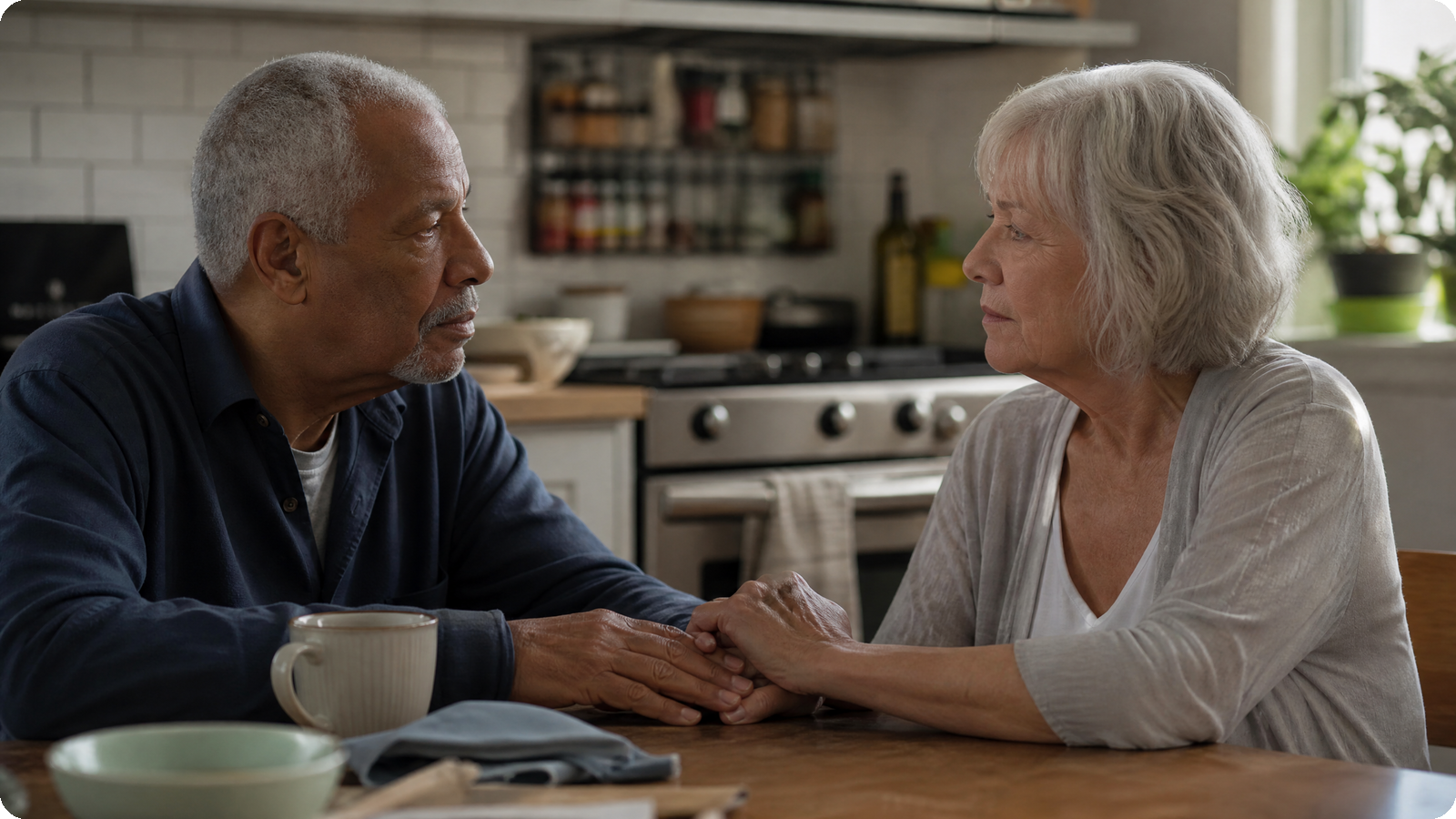
Couples therapy after 70 is not “too late” work. In my experience, it can be some of the most meaningful work we do. I was surprised when a longtime colleague once told me she no longer took clients over age 70 because, in her view, people were too rigid, too set in their ways, and carrying too many decades of unresolved issues to truly change. I have never experienced older couples that way.
Key insight
The couples who reach out in their seventies are not giving up. They are leaning in. They are demonstrating commitment, courage, and a desire for healing, even in later life.
Why couples therapy after 70 is not too late
I recently opted out of taking Medicare insurance because of low reimbursement rates. It was a difficult decision. But it never occurred to me to turn away couples in long-term marriages, partners who have spent 30, 40, or even 50 years together and are now seeking more intimacy, better communication, or support through life’s transitions.
Personally, I welcome these couples. Couples of all ages come to therapy for similar reasons. They feel disconnected. The romance has faded. They have the same argument on repeat. They feel lonely, misunderstood, or unappreciated. They may be navigating financial stress, parenting differences, or a longing for deeper emotional or physical intimacy. Most of all, they want to feel seen, heard, and valued.
At 70 and beyond, those desires do not disappear. Additional layers often enter the picture, but the longing for connection remains human. GoodTherapy has written about how partners can grow together or grow apart while aging. Couples therapy after 70 can support the choice to keep growing together.
When therapy may help
If you and your partner keep returning to the same painful conversation, a couples therapist can help slow the pattern down. You can search for support through GoodTherapy’s Find a Therapist directory.
Changes in physical and mental health
Health concerns frequently become part of the relational dynamic in later life. Chronic pain, illness, mobility limitations, depression, anxiety, or cognitive changes can shift the balance in a relationship. One partner may take on a caregiving role, altering the sense of equality and partnership. Medications can affect mood, energy, sleep, and sexual functioning.
Couples who once moved through life as equals may now struggle to maintain dignity, connection, and even romance in the face of very real practical challenges. The National Institute of Mental Health notes that later-life changes, including illness and loss, can affect mental health. In a marriage, those changes rarely affect only one person. They enter the way partners speak, listen, plan, and reach for each other.
Later-life layers that may enter couples therapy
| |
Health changes can alter roles, independence, energy, patience, and each partner’s sense of being desired. |
| |
Retirement can reduce structure and increase time together, bringing old patterns closer to the surface. |
| |
Losses may include friends, siblings, homes, routines, health, or a previous version of the marriage. |
| |
Adult children and extended family can affect decisions about care, housing, money, boundaries, and time. |
Retirement, loss, and family dynamics
Retirement
Retirement can be a gift or a stressor. For some couples, it opens the door to travel, hobbies, and meaningful shared time. For others, it means spending more time together than ever before. When work no longer provides structure or distance, unresolved tensions can surface. Partners who once coped by immersing themselves in their careers may now need new ways of relating and managing conflict.
Loss
By their seventies, most people have experienced significant loss: parents, siblings, friends, homes, routines, health, or the future they expected. Grief enters a relationship in complex ways. Because partners often grieve differently, one seeking connection and the other withdrawing, disconnection can happen at the very moment they need each other most.
The National Academies report available through NCBI Bookshelf describes social isolation and loneliness as important health concerns for older adults. That does not mean a spouse should become someone’s only support. It does mean the emotional safety of a long-term partnership can matter deeply in later life.

I recently worked with a couple who returned to therapy after losing their longtime home to a fire. While still displaced, the wife received a cancer diagnosis. They were navigating layered stress: housing instability, health concerns, differing coping styles, and a sense of responsibility to their adult children.
One partner wanted to talk and process. The other coped by staying busy. Both loved each other deeply, yet felt alone. Our work was not about solving the external problems. It was about helping them slow down, regulate their nervous systems, and access the vulnerability beneath their coping strategies. When they were able to say, “I’m scared,” “I miss you,” and “I need you,” something shifted.
They reached for each other. In the midst of uncertainty, their relationship became a source of comfort rather than strain. This is what is possible in later life, not the elimination of hardship, but a transformation in how partners face it together.
Family dynamics
Later life often brings increased involvement from adult children and extended family. Decisions about housing, finances, lifestyle, caregiving, and medical choices can become points of tension. At the same time, couples are often more aware that time is finite. Many want to be intentional about how they spend the years ahead, resolving old conflicts, offering forgiveness, and creating a sense of peace and companionship.
A gentler next conversation
If conversations about retirement, caregiving, or adult children keep escalating, start with one shared goal: “I want us to feel like a team while we talk about this.” GoodTherapy’s guide to communication skills for couples offers simple practices that can support this kind of shift.
Sexuality and intimacy after 70
Cultural myths suggest that sexuality fades with age. In reality, many older couples still long for touch, closeness, affection, and connection. What changes is not always the need for intimacy, but its expression. Research on sexual aging and older adults continues to examine how sexuality and sexual health remain part of later-life well-being.
Therapy offers space to expand sexuality beyond performance and toward presence, tenderness, and emotional connection. Some couples need help talking about changing bodies without embarrassment or blame. Others need help rebuilding emotional safety before physical closeness can feel possible. The goal is not to prescribe one kind of sexual relationship. The goal is to help partners speak respectfully about affection, desire, comfort, boundaries, and care.
Try this now: a repair pause
| 1 |
Pause before repeating the familiar argument. Take one breath and notice what you are protecting. |
| 2 |
Name one feeling without making it your partner’s fault: “I feel scared,” “I feel alone,” or “I feel overwhelmed.” |
| 3 |
Ask for one small reachable response: “Could you sit with me for a minute?” or “Could we talk about this after dinner?” |
Long-standing patterns and new possibilities
Of course, long-standing patterns exist. A pursuer-withdrawer dynamic that has lasted for decades does not disappear overnight. A partner who has defended, criticized, shut down, or kept peace for years may not immediately know another way.
But longevity also brings strengths: shared history, resilience, humor, loyalty, and a deep understanding of each other’s inner worlds. These couples are not starting from scratch. They are revising a long and meaningful story. Studies on marital quality and well-being among older adults also point to why the quality of later-life relationships deserves attention.
So, is it too late to change? In my experience, it is not. Therapy with couples in their seventies can be some of the most powerful and moving work we do. There is often a clarity of purpose, a willingness to take responsibility, and a deep desire to feel seen and appreciated by the person who has witnessed their entire adult life.
This is not too late work
This is essential work. Couples therapy after 70 can help partners make room for old pain, current stress, and renewed connection.
When there is still time for love
Rather than rigidity, I often encounter courage. Rather than resistance, I see urgency. Time, after all, is precious. The couples who pick up the phone in their seventies are not demonstrating rigidity. They are saying, “We don’t want to live the rest of our lives disconnected.” That is not pathology. That is motivation.
Yes, they bring decades of history. But those decades also hold shared memories, resilience, humor, loyalty, and deep familiarity with one another’s wounds and longings. When we help them slow down, regulate, and truly listen, sometimes for the first time in years, the shifts can be profound.
I have seen couples in their seventies learn to apologize in ways they never had before. I have watched partners soften long-held defenses and rediscover tenderness. I have witnessed emotional and physical intimacy deepen in ways that feel more meaningful than earlier stages of life. I have seen forgiveness emerge when each partner finally understands the loneliness the other has been carrying.
Development does not stop at midlife. The later decades invite us into integration, meaning making, connection, and peace. Couples therapy can be a powerful vehicle for that process. As long as partners are willing to reach for each other, repair is possible. And as long as there is time, even a little time, there is time for love.
Finding support for couples therapy after 70
A later-life relationship may include old disappointments, deep loyalty, exhaustion, gratitude, regret, and hope at the same time. Couples therapy after 70 honors that complexity. It does not assume partners are too old to change. It assumes that the need to be understood remains profoundly human.
If you are considering therapy, you might begin by looking for someone who respects older adults, understands long-term relationship patterns, and can help both partners feel heard. You may also find it useful to read about ways couples counseling can help.
Frequently Asked Questions
Common questions about couples therapy after 70 and later-life relationship repair.
Q: Is couples therapy after 70 worth starting? +
A: Yes, it can be worthwhile when both partners want a more honest, respectful way to talk. Couples therapy after 70 can support communication, repair, grief, caregiving stress, intimacy changes, and decisions about later-life transitions.
Q: What brings older couples to therapy? +
A: Older couples may come to therapy for communication struggles, long-standing conflict, emotional distance, affairs, illness, retirement changes, grief, sexuality concerns, adult-child stress, or a wish to spend their remaining years with more closeness.
Q: Can therapy help when one partner is a caregiver? +
A: Therapy can help partners talk about care, dependence, resentment, fear, and exhaustion without reducing either person to a role. It can also help the couple protect moments of partnership alongside necessary caregiving tasks.
Q: Does intimacy still matter in later-life relationships? +
A: For many couples, yes. Intimacy may change with health, desire, medication, grief, or physical comfort, but the need for affection, tenderness, respect, and being chosen can remain deeply important.
Support is available at any age
Whether you are facing old patterns or new losses, you do not have to sort through relationship pain alone.
 |
About the Author
Mary Kay Cocharo
Licensed Marriage and Family Therapist
Mary Kay Cocharo is a Los Angeles licensed marriage and family therapist who works with individuals and couples seeking deeper connection, emotional safety, and healthier communication. Her practice centers on relationship repair, intimacy, premarital counseling, long-term partnership, and the patterns that shape how partners reach for or withdraw from each other.
She is trained and certified in Imago Relationship Therapy and is a master-level practitioner of Encounter-centered Couples Therapy, integrating relationship theory, dialogue skills, and current understanding of connection and the nervous system. Along with weekly and intensive couples work, she offers workshops and retreats for engaged and married couples and trains other therapists in couples therapy.
View Profile >
|
Relationship Loneliness Emotional Intimacy Attachment
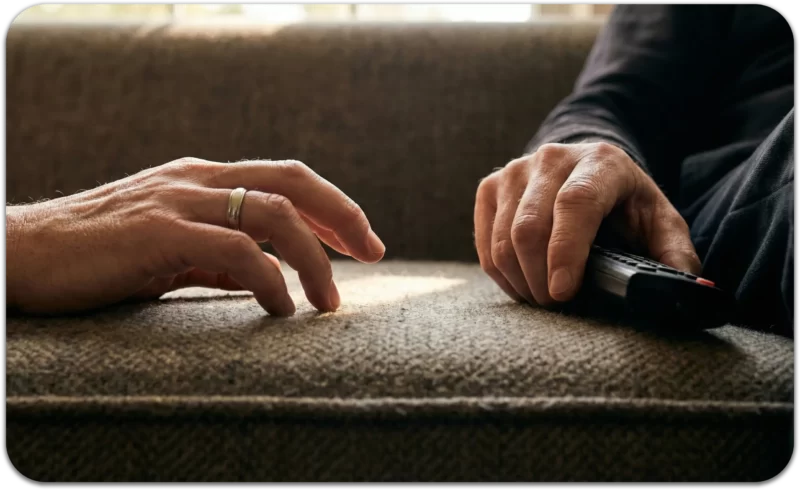
There is a specific kind of ache that comes from feeling lonely in a relationship. It comes from sitting next to someone you love and realizing you haven’t really felt them in a while. You still talk, share a home, manage routines, but something underneath feels… out of reach.
You tell yourself it’s just a phase, or that every relationship has ups and downs. And that’s true, but this kind of disconnection can quietly wear at you. It’s subtle, the way emotional distance builds. You start to sense the gap but don’t know how to name it without it sounding like blame. You can love someone deeply and still miss how it used to feel.
What you feel
Lonely with someone you love
What it is
Emotional disconnection, not a flaw in you
First step
Notice and name the loneliness with care
Health organizations such as Harvard Health and the National Institute on Aging describe loneliness as a serious health concern, not just a mood. People can feel profoundly lonely even when they live with a partner. Emotional connection matters more than how many people are physically around you, which is why feeling lonely in a relationship can hurt so much.
Quick reassurance: If you are feeling lonely in a relationship you care about, you are not too needy. Your nervous system is signalling a basic human need for safe, consistent connection. That is a healthy need, not a flaw.
Feeling Lonely In A Relationship: The Hidden Cost
Emotional disconnection rarely starts with one big fight. It usually builds through missed moments, chronic stress, unresolved hurts, and unspoken needs. One partner pulls away a little to avoid conflict. The other leans in harder to reconnect. Over time, both start protecting themselves more than they reach for each other, and feeling lonely in a relationship becomes the new normal.
What it looks like on the outside
- You coordinate schedules, bills, and tasks smoothly.
- You attend events and keep the household running.
- Friends might describe you as a “solid couple”.
What it feels like on the inside
- You miss how you used to laugh or talk late into the night.
- You feel oddly alone in big moments that should feel shared.
- You are not sure how to say “I am feeling lonely in this relationship” without sounding like you are blaming.
The protest and withdraw cycle at a glance:
Partner A
Protests the distance, asks more questions, criticizes, or pleads for closeness.
Partner B
Feels overwhelmed and pulls away, goes quiet, or disappears into work or screens.
Result
Both feel alone. Neither is the villain. Both are trying to stay emotionally safe.
Over time, that safety can start to feel like silence. Touch becomes less spontaneous. Conversations shorten. It is easier to say “we are fine” than to explain the quiet ache that comes with feeling lonely in a relationship you want to protect.
“Sometimes loneliness in a relationship is not the absence of love. It is the absence of feeling truly known.”
When loneliness feels heavy or hopeless:
Long term loneliness is linked with increased risks for depression, anxiety, and physical health problems. If your mood is sliding or daily life feels harder, reaching out for support from a physician, a mental health professional, or the GoodTherapy therapist directory can be an important step.
How Emotional Disconnection In Relationships Shows Up
Emotional disconnection and relationship loneliness can show up in both quiet and loud ways. If you are feeling lonely in a relationship, this overview can help you see your experience more clearly.
Everyday signs
- Most talks are about logistics, not feelings or dreams.
- You feel unseen or unheard, even when you spend a lot of time together.
- Sex or affection feels rushed, routine, or emotionally flat.
- Conflicts loop without resolving the deeper hurt.
Inner experience
- You wonder if you are “too much” or “not enough”.
- You feel more emotionally safe with friends, kids, or your phone than with your partner.
- You grieve the version of your relationship that used to feel alive.
These reactions are understandable responses to unmet attachment needs, not evidence that you are broken.
Relationship connection meter (how does this feel for you lately)
If emotional connection feels low while stress feels high, your relationship is carrying a lot. You do not have to carry that weight alone.
Research from the National Institutes of Health on attachment theory demonstrates that these patterns often trace back to our earliest relationships and how we learned to regulate emotions. According to research on attachment and emotion regulation, insecure attachment styles can make it harder for partners to effectively communicate their needs and respond to each other’s distress.
Feeling like your partner is emotionally available, responsive, and engaged is strongly linked to satisfaction and mental health. When that sense of emotional safety erodes, feeling lonely in a relationship is a common and understandable result.
Why You Can Love Someone And Still Feel Lonely In The Relationship
Emotional disconnection is less about how much you love each other and more about the patterns that have formed between you. Here is a simple roadmap of how couples can drift apart and end up feeling lonely in a relationship that once felt safe.
Emotional disconnection timeline
1
Stress builds and the relationship shifts into task mode instead of connection mode.
2
Small hurts go unresolved, so both partners start walking on emotional eggshells.
3
Protest and withdraw cycles form, and deeper needs stay hidden under criticism or shutdown.
4
Loneliness settles in, even though the love and history between you are still there.
1. Stress and survival mode
When life is packed with work, caregiving, money worries, or health issues, many couples slide into survival mode. You become excellent at running a household together and less practiced at sharing feelings. Chronic stress makes it harder for the nervous system to stay open, curious, and playful, which are key ingredients of emotional intimacy.
2. Different emotional and “love” languages
Some people feel close through deep conversation. Others feel loved through practical help, time together, shared humor, spiritual connection, or physical touch. When partners have different emotional or cultural languages, they can both be loving in their own way and still feel unseen or lonely in the relationship.
Attachment informed approaches such as Emotionally Focused Therapy (EFT) help couples understand and respond to each other in ways that actually land as love, rather than missed signals.

3. Protest and withdraw cycles
When one partner feels disconnected, they may protest the distance by asking for talks, pushing for reassurance, or criticizing. The other may respond by withdrawing, going quiet, or losing themselves in work or screens. The more one protests, the more the other withdraws, and the more alone both partners feel.
Underneath this pattern, people often carry fear such as “Will you leave me”, shame such as “Am I failing you”, or grief such as “We are losing something precious”. Therapies rooted in attachment science help couples slow down this dance so those tender feelings can be shared more safely and so that feeling lonely in a relationship is no longer the default setting.
4. Attachment wounds and past experiences
Our earliest relationships shape how safe closeness feels now. If you learned that emotions were dangerous, that you had to be the “strong one”, or that your feelings did not matter, then being emotionally open with a partner can feel risky, even when you love them. That history can make feeling lonely in a relationship more likely, especially under stress.
5. Neurodiversity, culture, and other differences
Some couples navigate differences in neurotype, culture, language, gender roles, or trauma history. For example, in some neurodiverse relationships one partner may need more quiet time or structure while the other longs for spontaneous emotional check ins. Without a shared understanding of these differences, both can end up feeling misunderstood and alone in the relationship.
Loneliness is a health issue too:
U.S. Department of Health & Human Services describe loneliness and social disconnection as serious health risks, comparable to other major risk factors. Taking your relationship loneliness seriously is not overreacting. It is one way to care for both your emotional and physical wellbeing.
First Steps When You Are Feeling Lonely In A Relationship
Rebuilding emotional intimacy rarely happens through one big conversation or a perfect date night. More often, it comes from small, consistent acts of presence that slowly change the emotional climate between you. You do not have to fix everything at once. You can start with a few gentle shifts, even while you are still feeling lonely in a relationship that matters to you.
1. Get clear on your own experience
Before you bring this up with your partner, it helps to know what the loneliness actually feels like for you. You might journal or reflect on questions such as:
- When do I feel the most lonely in this relationship, and when do I feel more connected.
- What kind of connection do I miss most, such as deeper talks, more touch, shared fun, or spiritual or creative time.
- What am I afraid might happen if I say “I feel lonely with you” out loud.
Growing your own emotional awareness is part of emotional intelligence, which can reduce loneliness and support healthier relationships.
Body based mini check in:
When you think about your partner, notice:
- Where does the loneliness sit, for example chest, throat, or stomach.
- Does your body feel tight, numb, or a bit softer when you imagine more closeness.
- What happens in your body when you imagine talking about feeling lonely in the relationship.
These sensations are information, not verdicts. They can guide the pace at which you move and whether extra support would help.
2. Lead with gentle honesty, not blame
Many people avoid talking about feeling lonely in a relationship because they do not want their partner to feel attacked. It can help to center your feelings and hopes instead of their flaws. For example:
-
“I have been feeling lonely in our relationship, even though I really love you, and I do not want it to stay this way.”
-
“I miss feeling close to you. Could we set aside some time to talk about that when we both have energy.”
-
“We are great at getting things done, and I would love us to have more time where we talk about us too.”
Try to choose a calmer moment if possible, not the middle of a fight or while someone is rushing out the door. It is completely normal if the first few conversations feel awkward. You are practicing a new way of being together.
Need help finding the words:
A therapist can help you practice what you want to say, or even support a first conversation in session. You can explore options through the
GoodTherapy Find a Therapist directory.
3. Learn each other’s emotional languages
You might try a curiosity based mini interview with each other:
-
“When do you feel most emotionally close to me.”
-
“What do I already do that helps you feel loved, even if I do not notice it.”
-
“What tends to shut you down or make you want to pull back.”
-
“If we had ten extra minutes a day just for us, what would you want to do with them.“

Even small daily habits matter, such as putting phones away for a few minutes, offering a longer hug, or saying thank you for everyday things. Responding to these small “bids” for connection can slowly soften the feeling of being lonely in a relationship.
Click to see examples of “bids” for connection
-
Your partner sighs and says “Today was a lot”.
-
They send a meme or reel and wait to see if you smile.
-
They ask “Did you see that” about something they care about.
-
They move a little closer on the couch or reach for your hand.
Turning toward these small bids with attention, even briefly, can start to soften relationship loneliness.
4. Create tiny rituals of connection
Emotional intimacy is easier to maintain when it has a place in your routine. A few possibilities:
-
A 10 to 15 minute “phones away” check in in the evening.
-
A weekly walk or coffee where you talk about how you are really doing, not just logistics.
-
A simple repair ritual after conflict, such as “What felt hard, and what might help next time.”
-
Naming one small thing you appreciate about each other each day.
If these rituals feel stressful, forced, or impossible to maintain, that does not mean you are failing. It may mean your nervous systems are still in high alert and that more support would help before emotional closeness feels accessible again.
You do not have to fix this alone:
Couples therapy, especially attachment based work like EFT, can give you a safer space to experiment with new patterns. You can read more about EFT on GoodTherapy or search for a couples therapist in the GoodTherapy directory.
When You Are Not Sure What You Want Yet
Sometimes feeling lonely in a relationship brings up bigger questions. You might find yourself wondering:
“Is this fixable”
You might notice moments of warmth or effort from your partner that remind you why you chose each other. You might also notice patterns that feel stuck. Both can be true at the same time.
“Should I stay”
There is usually no quick, one size fits all answer. Your safety, values, history, support system, and options all matter. These questions deserve time, not pressure.
A Grounded, Gentle Reminder
If you have been feeling lonely in a relationship, you are not broken and neither is your love. You’re human. You’ve both been navigating stress, routines, and life’s noise.
You deserve to feel emotionally seen- not just partnered, but known. Reconnection doesn’t start with grand gestures; it starts with gentle honesty, patience, and a willingness to be curious again.
Sometimes love asks you to stay; other times, it asks you to reach differently. Either way, you get to honor your need for closeness. You get to ask for softness again.
Frequently Asked Questions:
Here are some common questions people ask when they feel lonely in a relationship they still care about.
Q: Is it normal to feel lonely in a relationship you love?
A: Yes. Many people report periods of feeling lonely in a relationship, even in long term, loving partnerships, especially during life transitions or high stress seasons. Feeling lonely in a relationship does not automatically mean the relationship is unhealthy or hopeless. It does mean that emotional connection needs attention and care.
Q: How do I know if this relationship loneliness means we should break up?
A: Loneliness alone does not give the full answer. It helps to look at patterns over time. Are both of you willing to talk about the distance, even imperfectly. Do you see at least some efforts to respond when you reach out. Are there patterns of emotional or physical harm, severe contempt, or ongoing betrayal that make the relationship unsafe. These are complex questions that a therapist can help you sort through at a pace that feels manageable.
Q: Can couples therapy really help us feel emotionally close again?
A: Many couples do experience more safety and closeness through approaches like Emotionally Focused Therapy and other attachment based models. These therapies focus on understanding your emotional dance, slowing down reactive patterns, and helping you practice new ways of reaching for each other, not just learning communication tips. While there are no guarantees, research supports these approaches as effective for many couples.
Q: How can I tell my partner I am feeling lonely without hurting them?
A: You might begin by naming your care and your hope before naming the pain. For example, “I love you and I want us to feel closer. Lately I have been feeling lonely in our relationship and I do not want to keep that inside.” Focus on your feelings and needs instead of listing your partner’s flaws, and choose a calmer moment to talk, not the middle of an argument. If this still feels overwhelming, you can ask a therapist to help you prepare or to have this conversation together in a session. You can search for support through GoodTherapy’s therapist directory.
 Healthy communication in relationships forms the foundation of lasting partnerships, yet many couples struggle to navigate conflicts constructively. Research consistently shows that how couples handle disagreements, not the absence of conflict, determines relationship satisfaction and longevity. This comprehensive guide provides 21 evidence-based strategies to transform your relationship communication, resolve conflicts effectively, and strengthen your emotional bond.
Understanding the Role of Communication in Relationship Health
In every relationship, there are three distinct entities: yourself, your partner, and the relationship itself, an invisible third “person” that requires its own care and attention. When conflicts arise, successful couples consider the feelings and needs of all three: their own emotional experience, their partner’s perspective, and what serves the relationship’s overall health.
Research from the American Psychological Association demonstrates that couples who practice healthy communication in relationships experience greater relationship satisfaction and are more likely to maintain long-term partnerships. The goal isn’t to eliminate disagreements but to create a safe emotional space where both partners feel heard, valued, and understood.
The Science Behind Conflict and Connection
Contrary to popular belief, healthy communication in relationships actually includes constructive conflict. Studies show that couples who never argue may lack authentic intimacy, as one partner likely isn’t expressing their true needs and feelings. The key lies in how you address disagreements, whether they become destructive battles or opportunities for deeper understanding.
Relationship researcher John Gottman’s extensive studies reveal that successful couples don’t avoid conflict; they navigate it skillfully. The difference between thriving and struggling relationships isn’t the presence of disagreement but the quality of communication during those challenging moments.
21 Essential Strategies for Healthy Communication in Relationships
Core Communication Principles
Mastering healthy communication in relationships begins with understanding fundamental principles that create emotional safety and mutual respect. These foundational strategies form the cornerstone of successful partnerships and conflict resolution.
1. Practice Active Listening True listening means fully engaging with your partner’s words, tone, and emotions without planning your rebuttal. Focus entirely on understanding their perspective rather than preparing your counterargument.
2. Trust Your Partner’s Good Intentions Even when hurt by something your partner said, remember that people in committed relationships generally want to help, not harm. Comments made in anger often don’t reflect someone’s deepest, healthiest intentions.
3. Embrace Conflict as Growth Opportunity View disagreements as chances to understand each other better and strengthen your bond. Constructive conflict resolution actually increases intimacy and keeps passion alive in long-term relationships.
4. Speak from the “I” Perspective Express your emotional experience rather than attacking your partner’s character. Focus on your feelings and underlying concerns instead of detailing who said what and when.
Healthy example: “I felt hurt when I perceived criticism about my driving. I worry that you think I’m incompetent.”
Unhealthy example: “You always criticize my driving! You think you’re so perfect!”
Conflict De-escalation Techniques
When tensions rise, implementing proven de-escalation strategies becomes crucial for maintaining healthy communication in relationships. These techniques help prevent minor disagreements from becoming major relationship threats.
5. Avoid Comparisons Never compare your partner to others, as this creates an unfair “two against one” dynamic that damages trust and self-esteem.
6. Call Strategic Time-Outs When emotions escalate, request a break using “I” language: “I need some time to cool down so we can discuss this productively. Can we revisit this in two hours?”
Need professional support for relationship challenges? Explore our directory of
qualified couples therapists to find expert guidance in your area.
7. Don’t Sweep Issues Under the Rug While occasional stress-related arguments can be overlooked, persistent issues require direct conversation. Schedule discussions when you’re both calm and emotionally available.
8. Avoid Below-the-Belt Attacks Never target your partner’s vulnerabilities or insecurities, even when angry. Insults and put-downs are relationship poison, regardless of the circumstances.
9. Maintain Zero Tolerance for Violence Physical threats or violence require immediate professional intervention. This behavior indicates serious underlying issues that need therapeutic attention.
Communication Boundaries and Guidelines
Establishing clear boundaries protects healthy communication in relationships from destructive patterns. These guidelines create structure that allows both partners to feel safe expressing their authentic thoughts and feelings.
10. One Person Loses Control at a Time If both partners become emotionally dysregulated simultaneously, the argument will escalate destructively. One person must remain grounded to guide the conversation back to productive territory.
11. Address One Issue at a Time Resist the temptation to bring up multiple grievances during heated moments. Complex problems require focused attention to reach meaningful resolution.
12. Avoid Mind-Reading Don’t assume you know your partner’s thoughts or motivations. Ask directly for clarification rather than operating on assumptions.
13. Prioritize In-Person Communication Face-to-face conversations allow you to read nonverbal cues and respond empathetically. Text and email lack essential emotional context and can escalate misunderstandings.
Advanced Communication Skills
Once you’ve mastered the basics, these advanced techniques will elevate your healthy communication in relationships to new levels of intimacy and understanding. Professional therapists often recommend these strategies for couples seeking deeper connection.
14. Skip Amateur Psychology Avoid analyzing your partner’s behavior or suggesting psychological explanations for their actions. Focus on understanding their current emotional experience instead.
15. Don’t Go to Bed Angry While you don’t need to resolve every issue before sleep, acknowledge the conflict and commit to addressing it together soon. This prevents emotional distance from growing overnight.
16. Practice Negotiation Skills Healthy relationships require compromise and flexibility. Not every situation can be “win-win,” but both partners should feel heard and valued in the resolution process.
17. Accept Rather Than Change The goal of healthy communication in relationships is mutual understanding, not behavioral modification. When partners feel truly heard and accepted, positive changes often occur naturally.
Building Long-Term Connection
Sustaining healthy communication in relationships requires ongoing effort and intentional practices that nurture your bond over time. These strategies help couples maintain their connection through life’s inevitable changes and challenges.
18. Recognize Different Love Languages People express and receive love differently, through words, actions, gifts, quality time, or physical touch. Learn your partner’s primary love language and practice showing affection in ways they recognize and appreciate.
19. Maintain Your Sense of Humor Appropriate humor can defuse tension and provide perspective during difficult moments. Laughter creates emotional connection and helps couples navigate challenges together.
20. Consistently Nourish Your Relationship Schedule regular check-ins and quality time together. Prioritize your relationship’s health through daily conversations, weekly dates, and ongoing emotional investment.
21. Embrace Imperfection No one perfectly implements these communication strategies all the time. What matters is your commitment to improving and learning from mistakes together.

Practical Exercise: The Empathy Reflection Technique
This evidence-based exercise by Harville Hendrix helps couples develop deeper understanding and empathy:
- Partner A shares their emotional experience of a recent conflict using “I” statements
- Partner B listens actively without planning responses or defenses
- Partner B reflects back what they heard until Partner A feels fully understood
- Switch roles and repeat the process
- Identify common ground and potential solutions together
Research shows this technique significantly improves relationship satisfaction and reduces future conflicts when practiced regularly (Whitton et al., 2008).
When to Seek Professional Support
While these strategies can transform your approach to healthy communication in relationships, some situations benefit from professional guidance. Consider couples therapy if you experience:
- Recurring patterns of destructive conflict
- Emotional or physical abuse
- Persistent feelings of disconnection
- Major life transitions or stressors
- Difficulty implementing communication improvements
FAQ: Common Questions About Healthy Communication in Relationships
Q: How often should couples have serious conversations about their relationship? A: Research suggests weekly check-ins work well for most couples, combined with addressing issues as they arise rather than letting them accumulate.
Q: Is it normal for couples to argue frequently? A: Conflict frequency matters less than conflict quality. Some couples naturally discuss disagreements more openly, while others prefer fewer but deeper conversations. What matters most is maintaining healthy communication in relationships throughout these discussions.
Q: What if my partner refuses to work on communication? A: You can only control your own communication choices. However, consistently modeling healthy communication often encourages reciprocal improvements over time.
Q: How long does it take to improve relationship communication? A: Most couples notice improvements within 4-6 weeks of consistent practice, with significant changes developing over 3-6 months of dedicated effort.
Q: Can communication skills prevent relationship problems? A: Strong communication skills help couples navigate challenges more effectively but can’t prevent all relationship difficulties. They do, however, increase resilience and problem-solving capacity.
For Single Individuals: Building Communication Skills for Future Relationships
If you’re currently single but want to prepare for healthy communication in relationships for the future, focus on:
- Developing self-awareness about your communication patterns
- Practicing active listening in all relationships
- Learning to express emotions clearly and directly
- Building emotional regulation skills
- Identifying your relationship values and needs
Remember that attraction can develop when you’re genuinely open to connection. Sometimes the best relationships begin with strong friendships built on excellent communication.
Conclusion: Transforming Your Relationship Through Better Communication
Healthy communication in relationships is both an art and a skill that improves with practice. By implementing these 21 evidence-based strategies, you can transform conflicts from relationship threats into opportunities for deeper connection and understanding.
Remember that the goal isn’t perfect communication but rather continuous improvement and mutual respect. Every conversation is a chance to strengthen your bond, increase intimacy, and build the loving partnership you both deserve.
When you prioritize healthy communication in relationships, you create a foundation for lasting love, mutual respect, and emotional intimacy that can weather any storm. With patience, practice, and commitment from both partners, you can create the deeply connected, emotionally safe relationship you’ve always wanted.
Additional Reading and Resources
Books Referenced:
Research Studies:

Have you ever noticed how the biggest changes in life often bring out both the best and most challenging parts of our relationships?
Whether it’s moving to a new city, starting a new job, welcoming a child, or adjusting to an empty nest, life transitions can feel overwhelming. But they also offer powerful opportunities for growth, especially when couples approach them with empathy, curiosity, and open communication.
Why Life Transitions Test Relationships
Change, even when welcome, stirs up uncertainty. A long-awaited promotion, a beautiful new home, or even retirement can disrupt familiar routines, shift roles, and bring unspoken expectations to the surface. These disruptions can trigger old fears or emotional wounds from earlier in life. Unfortunately, it’s easy to unintentionally take that stress out on the person closest to you.
In these vulnerable moments, many couples find themselves more reactive, more disconnected, or even questioning their compatibility. But the issue isn’t necessarily the change itself—it’s how the couple experiences and navigates that change together.
How to Stay Connected During Major Life Changes
1. Pause and Check In Regularly
Set aside intentional time to talk about what’s changing and how you each feel about it. Even a 10-minute check-in over coffee can deepen your awareness and connection. This simple practice helps prevent small issues from becoming major relationship problems.
2. Share Your Inner Emotional World
Don’t just talk about the logistics—talk about your emotional landscape. Ask open-ended questions like:
- “What’s been hardest about this transition for you?”
- “What are you most hopeful or excited about?”
- “How can I better support you during this change?”
Communication issues can strain relationships, especially during times of change. Learning to share your emotional world effectively is crucial for maintaining connection.
3. Practice Empathy, Not Problem-Solving
You don’t need to have the perfect solution for every challenge your partner faces. Just being present and saying “I hear you” or “That makes sense” can be profoundly comforting. Sometimes validation is more valuable than advice.
4. Maintain Rituals of Connection
Transitions often upend routines that keep couples connected. Try to preserve at least one or two daily or weekly rituals—like a morning walk, an evening check-in, or Sunday breakfast. These small anchors help maintain emotional continuity when everything else feels uncertain.
5. Ask for Professional Support When Needed
Sometimes, no matter how much love you share, a transition brings up more than you can hold on your own. A few sessions with a skilled couples therapist during a major life change can make a world of difference. Research published in academic journals shows that couples therapy has large effects on relationship satisfaction and helps couples develop better communication patterns.
Struggling with major life changes? Learn expert strategies with our guide on navigating life transitions successfully and discover why your brain resists change.
The Role of Couples Therapy During Life Transitions
If you’re sensing that a big change is testing your connection, consider seeking couples therapy—not as a last resort, but as a proactive step toward staying aligned.
A good couples therapist offers a safe space for you and your partner to:
- Slow down and process emotions calmly
- Express feelings without judgment
- Understand recurring communication patterns
- Learn new ways of connecting and communicating
- Reconnect as teammates rather than adversaries
Ready to strengthen your relationship during this transition? Get started with our guide on how couples therapy can help you talk it out and improve your communication patterns.
Importantly, couples therapy is a specialized skill—not all therapists are trained in it. Look for a professional with advanced certification in a couples-specific modality, such as:
- Imago Relationship Therapy
- Encounter-Centered Couples Transformation
- Emotionally Focused Therapy (EFT)
- The Gottman Method
- Psychobiological Approach to Couple Therapy (PACT)
- Relational Life Therapy (RLT)
These evidence-based models all share one thing in common: they use a relational paradigm, focusing not just on individual experiences but on the interactional dance between two people. That makes couples therapy distinctly different from individual therapy, where the client is one person and the work centers on that person’s internal world.

What to Look for in a Couples Therapist
Beyond credentials, experience matters. Look for a therapist who has worked extensively with couples, especially those navigating transitions like parenthood, retirement, caregiving, or relocation. Finding the right therapist is crucial for successful outcomes.
And don’t underestimate the importance of therapeutic fit. You both should feel respected and hopeful in the presence of your therapist. It’s normal for one partner to feel more hesitant about therapy, but no one should feel like they’re being dragged into treatment unwillingly.
Consider these questions when evaluating potential therapists:
- Do they have specific training in couples therapy modalities?
- Have they worked with couples facing similar transitions?
- Do both partners feel comfortable and understood?
- Does the therapist maintain neutrality rather than taking sides?
Need help improving your relationship communication? Discover the 5 communication skills every couple should develop to strengthen your connection during challenging times.
Building Resilience Together Through Change
Relationship resilience isn’t about avoiding difficult transitions—it’s about developing the skills to navigate them successfully. Strong marriages require intentional effort, especially during times of change.
Couples who thrive through transitions often share these characteristics:
- They view challenges as opportunities for growth
- They maintain open, honest communication
- They support each other’s individual growth within the relationship
- They seek help when needed without shame
- They maintain perspective about temporary vs. permanent changes
It’s important to understand that when one person changes in a relationship, it naturally affects the dynamic. This is normal and can actually strengthen your bond when approached with empathy and understanding.
Final Thoughts: Embracing Change as a Couple
Life transitions are unavoidable—they’re part of the natural evolution of life and love. What matters most isn’t avoiding them, but learning how to walk through them side by side.
With the right support and intention, even the most disorienting changes can become doorways into deeper connection. When couples face change with empathy, curiosity, and a commitment to grow together, they don’t just survive—they transform and build even stronger relationships.
Remember: seeking support during transitions isn’t a sign of weakness—it’s a sign of wisdom. Whether through improved communication strategies, professional guidance, or simply making time for regular check-ins, investing in your relationship during times of change is one of the best decisions you can make.
Ready to transform your relationship during life’s biggest changes? Start with understanding change and life transitions and discover how therapy can help you adapt and build resilience together.
 If you’ve tried active listening, “I” statements, and communication workshops but still struggle with your partner, you’re not alone. Many couples discover that communication skills alone can’t fix deeper relationship issues.
While the belief that “communication is the key to a successful relationship” is widely accepted, this view oversimplifies the complexity of romantic partnerships. Poor communication is often a symptom of deeper, unresolved issues such as insecure attachment styles, unmet emotional needs, trauma, and misaligned values.
This article argues that focusing solely on communication techniques can mislead couples and therapists alike. Instead, the foundation of healthy relationships lies in emotional safety, value alignment, and mutual trust. Drawing on empirical research, attachment theory, and clinical insights, this article explores the underlying dynamics that frequently masquerade as communication problems.
The Communication Myth: Why “Better Talking” Doesn’t Always Work
Dr. John Gottman’s decades of research into marital stability challenges the notion that poor communication is the leading cause of divorce. Gottman and Silver (1999) found that many couples who ultimately divorce actually communicate in similar patterns to those who stay together. What separates the two is not how well they speak, but how deeply they remain emotionally connected.
Effective communication is often seen as the cure-all for relationship conflict. But communication devoid of emotional safety or trust becomes performative rather than healing. When partners feel disconnected, threatened, or unseen, even skillful dialogue can result in misunderstanding or defensiveness.
Moreover, it’s possible to communicate “well” while still engaging in harmful dynamics like manipulation, gaslighting, or passive aggression. Thus, the content of communication matters far less than the emotional intent and context in which it occurs.
The Real Root Causes of Relationship Problems
Attachment Wounds: How Your Past Shapes Your Present
Attachment theory, developed by Bowlby (1982) and extended to adult relationships by Hazan and Shaver (1987), provides a valuable lens for understanding relational conflict. People with different attachment styles express needs and process emotions in vastly different ways.
For example, individuals with an anxious attachment style may engage in protest behavior—over-texting, emotional outbursts, or accusations—not because they are poor communicators, but because they fear abandonment. Conversely, avoidantly attached individuals may withdraw or shut down during emotional conversations, not due to a lack of interest, but due to fear of engulfment.
Simpson and Rholes (2015) assert that insecure attachment styles are a leading cause of communication breakdowns in romantic relationships. The words used may be clear, but the intent and emotion behind them are filtered through layers of personal insecurity and unresolved wounds.
In this context, improving communication skills without addressing attachment needs is like repainting a house with a cracked foundation—it may look better temporarily, but the underlying problems will resurface.
Unmet Emotional Needs: The Hidden Language of Conflict
All human beings have core emotional needs: to feel loved, respected, secure, and significant. In romantic relationships, these needs often become amplified. When partners do not feel their needs are acknowledged or met, frustration builds—and is frequently expressed as a communication issue.
For instance, a partner may say, “You never spend time with me,” when what they mean is, “I feel lonely and unimportant.” Without understanding the emotional layer beneath the words, the receiving partner may respond defensively, triggering a cycle of argument rather than connection.
Johnson (2008), in her development of Emotionally Focused Therapy (EFT), emphasizes that emotional responsiveness is more important than verbal clarity. She argues that the goal of healthy communication is not merely the exchange of information, but the reassurance of emotional connection.
Values and Belief Systems: The Hidden Divide
Even when couples are emotionally attuned and capable of effective conversation, persistent conflict may arise from fundamental differences in values. Topics like parenting, religion, career ambition, and finances reflect deeply held beliefs that are not easily negotiated.
Perel (2006) points out that many couples clash not because they cannot talk to one another, but because they are “speaking different dialects”—shaped by culture, upbringing, and personal philosophy. For example, a partner raised in a family that prized individual success may struggle to connect with a partner raised in a communal, family-centered environment.
When partners’ values are misaligned, communication becomes strained—not because of delivery, but because of conflicting worldviews. No amount of communication technique can reconcile opposing core values without mutual understanding, compromise, or acceptance.
Emotional Safety: The Foundation for Real Dialogue
One of the most under-discussed but critical factors in communication is emotional safety—the sense that one can speak openly without fear of judgment, punishment, or ridicule. Emotional safety enables vulnerability, which is essential for intimacy and conflict resolution.
Zilcha-Mano and Errázuriz (2020) found that emotional safety is a better predictor of relationship satisfaction than communication frequency or skill. Partners who feel safe are more likely to speak openly, listen non-defensively, and repair conflict effectively.
Without emotional safety, even well-intentioned messages are often misinterpreted as attacks. Safety allows space for mistakes, learning, and emotional risk-taking. Communication thrives in its presence and deteriorates in its absence.
When Communication Problems Are Really Symptoms
From a clinical perspective, what presents as a communication problem is often rooted in:
- Unprocessed trauma: Unhealed past wounds that color current interactions
- Power struggles: Efforts to control, dominate, or resist perceived control
- Resentment: Built-up emotional pain from unmet expectations
- Fear of vulnerability: Avoidance of emotional openness due to fear of rejection or hurt
Therapists often observe that once these core issues are addressed, communication naturally improves—even without explicit training. In this way, communication is not a primary intervention but a byproduct of relational healing.
A Better Approach: Therapy That Goes Deeper
What Effective Couples Therapy Actually Does
Therapists should resist the temptation to begin treatment with communication skills training. While helpful, such skills can be superficial if not grounded in emotional attunement and psychological safety.
Instead, the therapeutic process should include:
- Attachment repair: Understanding how each partner’s attachment history shapes their behavior
- Emotional attunement: Teaching partners to recognize and respond to one another’s core emotional states
- Trauma-informed care: Addressing past relational wounds that impair present-day connection
- Values clarification: Exploring compatibility around life goals and beliefs
Only after this foundation is laid should traditional communication techniques—such as reflective listening or structured dialogue—be introduced.
The EFT Difference
Emotionally Focused Therapy has shown remarkable success because it addresses the emotional bonds that drive communication patterns. Research shows that 70-75% of couples move from distress to recovery using EFT, with 90% showing significant improvements.
EFT works by helping couples:
- Identify negative interaction cycles
- Access underlying emotions and attachment needs
- Create new positive interactions based on emotional connection
- Consolidate new patterns of bonding
5 Signs Your Relationship Problems Run Deeper Than Communication
- You’ve tried communication techniques but keep having the same fights
- One partner shuts down or becomes defensive when difficult topics arise
- Past hurts keep resurfacing despite “talking them through”
- You feel like you’re speaking different languages even when using the same words
- There’s an underlying feeling of emotional unsafety or walking on eggshells
If these patterns sound familiar, it may be time to look beyond communication skills and address the deeper emotional dynamics at play. If you and your partner feel stuck in recurring arguments, consider exploring the emotional roots of your communication. Find a qualified couples therapist near you on GoodTherapy.
Frequently Asked Questions
Is communication important in relationships?
Yes, communication is important, but it’s not the root cause of most relationship problems. Effective communication naturally improves when underlying issues like attachment wounds, emotional safety, and value misalignment are addressed first.
What are the real causes of relationship problems?
The deeper causes include insecure attachment styles, unprocessed trauma, lack of emotional safety, conflicting core values, and unmet emotional needs that manifest as communication difficulties.
How can therapy help beyond communication skills?
Effective therapy addresses attachment repair, emotional attunement, trauma-informed care, and values clarification before introducing traditional communication techniques. This creates lasting change rather than surface-level improvements.
When should couples seek professional help?
Consider therapy when communication techniques haven’t worked, when the same conflicts keep recurring, or when there’s emotional withdrawal, defensiveness, or a sense of walking on eggshells in the relationship.
Can relationships improve without focusing on communication?
Absolutely. When couples address emotional safety, attachment needs, and core compatibility issues, communication often improves naturally as a byproduct of deeper healing and connection.
Key Takeaways: Beyond Communication to Real Connection
Communication plays a vital role in relationships, but it is not the most important element. Focusing on communication without addressing emotional safety, attachment dynamics, trauma, and values can be both misleading and ineffective. These deeper forces often drive what appears on the surface as a communication breakdown.
For lasting relational health, individuals and couples must look beneath the words and examine the emotional frameworks that shape them. When emotional connection, mutual respect, and personal healing are prioritized, communication naturally becomes clearer, more honest, and more effective.
The bottom line: If you’re struggling with relationship communication, the problem likely runs deeper than speaking and listening skills. Consider working with a therapist trained in attachment-based approaches like EFT to address the root causes of your relationship distress.
Additional Resources
References
Bowlby, J. (1982). Attachment and loss: Vol. 1. Attachment (2nd ed.). Basic Books.
Gottman, J. M., & Silver, N. (1999). The seven principles for making marriage work. Crown Publishers.
Hazan, C., & Shaver, P. R. (1987). Romantic love conceptualized as an attachment process. Journal of Personality and Social Psychology, 52(3), 511–524. https://doi.org/10.1037/0022-3514.52.3.511
Johnson, S. M. (2008). Hold me tight: Seven conversations for a lifetime of love. Little, Brown and Company.
Perel, E. (2006). Mating in captivity: Unlocking erotic intelligence. Harper.
Simpson, J. A., & Rholes, W. S. (2015). Attachment theory and research: New directions and emerging themes. Guilford Press.
Zilcha-Mano, S., & Errázuriz, P. (2020). Emotional safety in romantic relationships: How it predicts relationship outcomes. Couple and Family Psychology: Research and Practice, 9(1), 21–34. https://doi.org/10.1037/cfp0000125