 Even those in emotionally healthy homes are feeling the strain of so much togetherness at this time of uncertainty and social distancing. But for some, this is their worst nightmare. Distance is the primary strategy for many victims of domestic violence.
Now that a large portion of Americans have been asked to stay home to fight the spread of the novel coronavirus, many victims are finding themselves trapped with their emotional, sexual, or physical abuser. While there are no easy answers to this very complicated situation, I have listed some tips to try to address the issue. If you are concerned but not sure if abuse is happening in your home, learn more about abuse here.
What to Do If You’re Stuck at Home with an Abusive Partner or Family Member
1. Seek shelter with someone else.
If possible and safe, find an excuse to stay with another close family member or friend. Maybe they need help with working from home or with their children. Maybe your kids need a play date with another child. Maybe you need to take food to someone who can’t cook for themselves. Find a reason to get out, at least for a while.
2. Stay prepared.
Hide an extra car key, jacket, credit card, and walking shoes. Keep your phone charged. If things escalate, you need a way to leave. Planning ahead is essential because when you are under pressure with adrenaline pumping though your brain, you may not be able to think as clearly.
3. Avoid escalating things with the abuser.
Many arguments escalate faster (and may become violent more quickly) when a victim tries to explain themselves. Let the abuser believe false things about you, i.e., “You always…,†“You never…,†“You think that…,†“You didn’t keep your word about…,†“I always give you…†“I do everything for you, you don’t…,†etc. Let them see you incorrectly, at least for the time you are stuck at home.
Editor’s note: If your abuser has ever been violent, or you think they may become violent, this is not a suggestion to allow or put up with harm. If you are in danger, leave the situation and/or seek help from someone you trust as soon as you judge it safe to do so.
4. Don’t seek resolution.
Remember this won’t be the last fight. Often abusers rope victims in to arguments threatening that “This is the last fight, or…â€. You will most likely have this argument again. If they threaten to leave or divorce, remember they will probably say it again in the future. This won’t be the last argument. Allow the tension to not be resolved. Don’t chase them to “understanding†you or your perspective.
5. Reach out to people you can trust.
Tell people who care about you. This is the time to reach out to those who love you. If you don’t have trusted friends and family, call the National Domestic Violence Hotline at 1-800-799-7233. Many therapists are also offering phone or Skype sessions during this crisis. Some counselors are even offering discounted therapy sessions during the pandemic. Search for a trustworthy therapist here.
6. Practice self-care.
Take care of your emotions. Exercise, listen to music, play video games, go for walks, garden, do creative projects, or join online groups. Your feelings are legitimate. You are not overreacting.
7. Avoid being trapped.
Try not to be stuck in a car with the abuser. Try to avoid confined places where you can’t leave.
8. Don’t let your abuser pull you back in to arguing.
When you stop responding in an argument, don’t get pulled back in by, “See, you don’t care, you’re just walking away,†“There you go giving up on us,†“Come back here, I’m not done talking to you,†or “See, you’re not interested in resolving this!†Walk away anyway. Don’t explain why.
9. Remember the abuse is not your fault.
Remember an abuser isn’t abusive because they don’t understand you or the facts, they are abusive because of who they are. And no matter what you do or don’t do, say or don’t say, you can’t change them.
10. Get help if you feel threatened.
Go to a neighbor’s home or call 911 or trusted local law enforcement if you feel threatened. There are many domestic violence safe houses that can pick you up and keep you safe from your abuser and help you with legal issues like restraining orders.
You Deserve Compassion, So Give Some to Yourself
Remember to be kind to yourself. You did not cause anyone to treat you in an abusive way. You deserve respect and safety no matter how you have reacted in the past.
Don’t hold anything over your own head. You are not to blame for someone else’s behavior.
 According to data from the U.S. Department of Justice, most intimate partner violence (82%) is committed against women. Increased awareness of domestic violence against women has spurred an international movement, led to the creation of domestic violence shelters, and helped a generation of women leave their abusers.
Men can be victims, too. According to Centers for Disease Control and Prevention (CDC), 1 in 4 men have experienced some form of domestic violence, and 1 in 7 have been victims of severe physical violence. Anti-domestic violence rhetoric has not caught up to this reality, leaving many male victims with few resources. Some worry that the abuse is their fault or a sign of weakness. Others are met with derision and stigma when they seek help.
Therapy can help male victims of abuse identify signs of abuse, understand that it’s not their fault, leave abusive partners, and recover from the long-lasting trauma of abuse. For men to fully gain the support they need, the conversation about domestic violence must include them.
Domestic Violence Against Men: What Are the Facts?
Between 5-7% of male murder victims are killed by intimate partners. This figure is smaller than the number of women homicide victims killed by intimate partners (55%) but shows that domestic violence is more than an inconvenience or annoyance. It can and does kill men.
Even when men are the victims, most perpetrators of domestic violence are male. Nevertheless, women can and do abuse their partners. A 2005 study of domestic violence arrests in Tennessee found that 16% of perpetrators were female. A 2002 study of Air Force personnel put the figure even higher, finding that 23% of abusers were women.
The 1990 National Family Violence Survey found similar rates of self-reported domestic abuse among women and men. Wives reported committing violence at a rate of 12.4%, compared to 11.6% of husbands.
Men who have romantic relationships with men face an even higher rate of domestic abuse. A 2018 study of 160 male-male couples in three different cities found that 46% of respondents reported experiencing some form of domestic violence in the past year.
Research on domestic violence among nonbinary and transgender populations is still in its infancy. Rates of many forms of violence are higher in gender nonconforming populations, so it’s likely that domestic violence is more prevalent in gender nonconforming groups as well. Violence against transgender and nonbinary people often uses their identity and vulnerabilities as a means of control and exploitation. For instance, an abusive partner might threaten to out a transgender man to his employer.
Intersecting oppressions can further compound the effects of domestic violence. A 5 year University of Texas study found that black and Latinx couples are 2 to 3 times more likely to report domestic violence. Differences in access to power and privilege may intensify the effects of domestic abuse. For instance, high profile stories about police shootings of unarmed black people may make black male abuse survivors more reluctant to contact law enforcement for help.
Pervasive myths about domestic violence against men can deter men from seeking help. Even when they do seek help, men face an uphill battle to find resources.
‘I’m Serious’: Overcoming the Obstacle of Disbelief
Domestic abuse survivors of all genders and backgrounds may struggle with getting people to believe their claims. Abusers may seem superficially nice and use that to their advantage. Male survivors are even more likely to struggle to gain acceptance of their claims. Some of the barriers male survivors face include:
- Disbelief that the perpetrator could be abusive. If the perpetrator is nice, friendly, or well-respected, people are often reluctant to believe they are abusive. In some cases, they may wonder what the survivor did to “provoke†the abuser. When the abuser is a woman, it can be even more difficult to convince people that an apparently “nice†person behaves violently.
- Gender myths. The notion that women are weak or naturally nonviolent works against male survivors when the perpetrator is a woman. Bystanders might think it’s impossible for a woman to overpower a man or believe that if the man really wanted to fight back, he could.
- Homophobia. The homophobic belief that being an abuse victim makes a man weak, and therefore gay, pervades in some communities. Straight men who fear being labeled gay may hesitate to report their abuse. Gay or bisexual abuse survivors may worry that people will blame their abuse on their sexuality.
- Intersecting oppressions. Men who experience other forms of oppression, such as racism or ableism, may be more reluctant to report their abuse. A disabled man, for example, may fear that reporting his abuse will make others perceive him as weak. A person of color might fear the police even more than they fear their abuser.
Is There a Lack of Access to Resources for Men?
Pervasive myths about domestic violence against men can deter men from seeking help. Even when they do seek help, men face an uphill battle to find resources.
One study of 302 heterosexual men who sought help from domestic violence hotlines found that most did not get the help they need. Sixty-four percent of hotline workers told the men that the hotline only served women. In 32% of cases, abused men were referred to programs for abusers, suggesting that the person who took the call did not believe the caller needed help. Sixty-nine percent of participants reported their call to a hotline was “not helpful.â€
Leaving an abusive relationship can be dangerous. Research consistently shows that abusers are more likely to kill their partners in the weeks immediately following the relationship’s end. Domestic violence shelters can provide a safe space for people escaping abuse, especially when the abuser also controls access to financial resources. Most shelters, however, cater exclusively to women. Even shelters that are open to men have a limited number of beds available. Men may have to wait months to gain access to a shelter, assuming a shelter is available at all.
Prompt intervention by law enforcement immediately following an act of domestic violence can save lives. For decades, women’s rights groups have lobbied police departments to take intimate partner violence seriously. While the culture of some police departments regarding female victims has changed, men continue not to be believed in many cases. Police may not take abuse against men seriously or even mock men who claim to be victims.
Bringing Inclusivity to the IPV Conversation
Widespread discussions of concepts such as toxic masculinity, misogyny, and male abuse of women have brought male abuse to the fore of our collective consciousness. This has the power to spur important social change. But the widespread nature of male violence conceals a less well-known problem: violence against men. Discussions of violence that assume a male perpetrator and a female victim are stigmatizing. They uphold inaccurate gender myths, support a false gender binary, and deter people who need help from seeking it.
In therapy, providers must take seriously the possibility that men, women, and people of all genders can be abused. Therapists concerned about violence between couples should talk to both members of the couple about experiences with violence rather than assuming the perpetrator is male.
It’s equally important for friends and family to be mindful of the effects of domestic violence on men. Domestic violence is not a joke. A man who shares an experience with intimate partner violence has taken a significant risk. Listen to him. Offer support. Reassure him that he is not alone.
Only by destigmatizing revelations of violence can we begin upending a culture of abuse. Male victims matter, too.
References:
- Domestic violence varies by ethnicity. (2018, June 10). Retrieved from https://www.verywellmind.com/domestic-violence-varies-by-ethnicity-62648
- Black, M. C., Basile, K. C., Breiding, M. J., Smith, S. G., Waters, M. L., Merrick, M. T., . . . Stevens, M. R. (2011). National intimate partner and sexual violence survey 2010 summary report. Retrieved from https://www.cdc.gov/violenceprevention/pdf/NISVS-StateReportBook.pdf
- Khazan, O. (2017, July 24). Nearly half of all murdered women are killed by romantic partners. Retrieved from https://www.theatlantic.com/health/archive/2017/07/homicides-women/534306
- Male survivors of domestic violence. (2017). Pennsylvania Coalition Against Domestic Violence. Retrieved from http://www.pcadv.org/Learn-More/PCADV-Publications/STOP-TA-Bulletins/#SpotID_16429
- Researcher: What happens when abused men call domestic violence hotlines and shelters? (n.d.). Retrieved from https://nationalparentsorganization.org/blog/3977-researcher-what-hap-3977
- Suarez, N. A., Mimiaga, M. J., Garofalo, R., Brown, E., Bratcher, A. M., Wimbly, T., . . . Stephenson, R. (2018). Dyadic reporting of intimate partner violence among male couples in three U.S. cities. American Journal of Men’s Health, 12(4), 1039-1047. doi: 10.1177/1557988318774243
- Swan, S. C., Gambone, L. J., Caldwell, J. E., Sullivan, T. P., & Snow, D. L. (2008). A review of research on women’s use of violence with male intimate partners. Violence and Victims, 23(3), 301-314. Retrieved from https://www.ncbi.nlm.nih.gov/pmc/articles/PMC2968709
- Truman, J. L. & Morgan, R. E. (2014). Nonfatal domestic violence, 2003-2012. U.S. Department of Justice Bureau of Justice Statistics. Retrieved from https://www.bjs.gov/content/pub/pdf/ndv0312.pdf
 People often wonder why those they care about stay with romantic partners who hurt them. It’s a good question on the surface, but the answer is much more complicated.
When people are in abusive relationships, they consciously or unconsciously use many coping strategies. In fact, most such coping strategies involve the use of their strengths: forgiveness, giving (more than 50% in the relationship), tolerance, patience, accommodation, and other pro-social skills for adapting to a difficult situation.
[fat_widget_right]
Sometimes, though, not-so-positive traits are used to adapt to an abusive situation. These include minimizing, denial, rationalization, pretending/fantasizing, “spacing out,†alcohol and drug use, and developing symptoms of anxiety, depression, and posttraumatic stress.
And then there is abuse amnesia.
An exacerbating condition occurs if the person experiencing abuse grew up in an abusive household. In this case, the person may have been conditioned to adapt to an abusive environment by utilizing the above-listed coping styles. People in this situation do not typically respond to “red flags†because they have become accustomed or desensitized to them during their developmental years. They have most likely honed the art of abuse amnesia.
What, exactly, does abuse amnesia look like in practice? It occurs when a person has been abused—physically, verbally, sexually, or emotionally—and in a matter of minutes, hours, or days, it’s as if the occurrence of abuse never happened. The victim and the perpetrator carry on as if the incident never happened.
Why does abuse amnesia occur? One reason is brain chemistry. Here are the brain chemicals involved and their effects (in extremely simplified terms):
- Oxytocin: bonding
- Dopamine: craving, pursuing, longing, motivating, saliency
- Endogenous opioids: withdrawal equals pain, use equals pleasure
- Cortisol: stress
- Adrenaline: stress
When an abusive incident happens, the hormones cortisol and adrenaline are released, putting the individual in a heightened sense of readiness. After extensive incidents of abuse, the brain response has familiarized with a pattern: hyperarousal (abuse and abandonment) and then relief. During the hyperarousal phase, the individual experiences increased levels of stress hormones. Once things have calmed down, the body searches for relief.
During the abandonment phase of the cycle, the victim’s brain releases chemicals that cause the feelings of longing, anticipation, and the motivation to find relief. Endogenous opioid withdrawal causes pain, and the neurotransmitter dopamine motivates the person to search for relief in the object of desire—the abuser.
Once the chaotic encounter between victim and abuser is over, homeostasis sets in. The abusive relationship has become a system. All systems strive for homeostasis, which occurs at a state of equilibrium. Each person in the system adjusts in order to reach that “perfect†state of equilibrium. Abuse amnesia is an essential component of this balance.
It is distressing to think bad thoughts about a recent traumatic event. It is much more calming to remember the good times. Thus, a person who is in an abusive relationship trains their brain to “move on†and feel good again. Once the abusive partner comes back and stops actively abusing, the brain releases oxytocin and opioids, which have a calming effect. The stress hormones are diminished and the feelings of relief caused by the positive chemicals reinforce the victim’s ability to forget the bad and hold on to the good.
The pattern continues—minimize the bad, focus on the good. Forget the pain. Remember the positive.
Even with very little good, thoughts of hope are there to calm the senses. Memories from previous experiences of relief kick in and offer the promise of help coming in the form of the abuser—the beholder of the hope.
How to Heal from Abuse Amnesia
If you realize you have abuse amnesia, then action is required to change. Here are some practical steps to take to stop the patterns of abuse:
Realize you have value and should be treated accordingly. You do not deserve to be treated poorly by your partner. You deserve dignity and respect. Settle for nothing less.
- Get support. You need to find healthy relationships to be part of and safe people to talk to. Abuse is damaging to your personhood. In order to heal, it is essential that you be around people who will not abuse you under any circumstances. Find support from kind, compassionate people who are good listeners. Consider meeting with a therapist.
- Write a list of abusive incidents and keep adding to it. Write down what the abusive person is doing to you and keep adding to it. It might look like this: (1) Called me a name; (2) Blamed me for our last fight; (3) Didn’t follow through with a commitment; (4) Threw a cup at my head; and so on. In healthy relationships, keeping a “record of wrongs†is unwise because it is counterproductive to focus on a partner’s failings; however, in an abusive relationship, different rules apply.
- Write a recovery plan for yourself. To do this, you need to know what you want to change about yourself—not the other person. This list can contain as many goals as you want, but three may be a manageable start. For instance, you could have goals such as these: (1) I will pay attention to my needs and take care of them at all times; (2) I will not sacrifice myself for a relationship; (3) I will live in an abuse-free environment. Your list should contain personal boundaries and bottom-line behaviors. Carry these written goals everywhere you go.
- Stop pretending and live in truth. Tell yourself, “I will not push things under the rug anymore and instead will hold my partner accountable.†How do you hold someone accountable? You tell them, “I will not put up with this behavior one more minute. You either get help or I will not be able to invest my emotional energy in this relationship until you do.†Follow through.
- Value yourself. Realize you have value and should be treated accordingly. You do not deserve to be treated poorly by your partner. You deserve dignity and respect. Settle for nothing less.
- Find your voice. Start talking about your situation to others. Abuse thrives in secrecy.
- Set boundaries. There may be many boundary violations in an abusive relationship. Learn to identify what boundaries you need to incorporate in order to break the cycle of abuse and protect yourself. Remember: boundaries involve your behavior, not the other person’s. You can only change yourself. People who perpetrate abuse hate boundaries, so recognize the more you try to implement them the more you may be challenged.
- Learn abstinence. An abusive relationship is akin to an addiction. Both partners become addicted to the patterns and the brain chemicals involved in the toxic interactions. A primary ingredient for working a recovery plan is to implement abstinence. You must abstain from toxic encounters. One thing you can abstain from is abuse amnesia—refuse to allow yourself to just “move on†after an abusive encounter.
- Journal. As you attempt to heal, write your feelings in a journal. Keep track of what is happening in your relationship. Notice the patterns and write your feelings down so you can realize what is happening in your life. Journaling can help you feel your emotions, process your thoughts, and get to a place of healing.
The first step for any type of recovery involves awareness. As you become aware that you have been overlooking abuse, you actually implement the first step of recovery. Awareness precedes action and impedes denial. Awareness involves the idea of realization—that is, understanding that “this is really happening, it is happening now, and it is happening to me.â€
 You consider yourself an open-minded therapist. As such, you feel ready to accept and understand almost anyone who walks through your office doors, whatever concern or issue they bring in with them. But what happens when a person you are working with mentions a practice you are unfamiliar with? Your natural tendency may be to ask the individual to elaborate and help you understand the nature of what they have brought up, until you get the chance to do some research of your own.
Individuals who practice BDSM may be able to help you better understand both what the practice means to them and any impact, positive or negative, it might have on their relationship and/or life, but each person and couple’s experience is unique. One individual cannot, of course, help you understand what the practice means to others you might see in therapy.
Of course, while people may seek therapy for reasons related to BDSM practice and/or its effects on their relationship, they are just as likely to seek therapy for unrelated reasons. The purpose of this article is to help you become familiar with what to look for when working with BDSM-practicing couples or individuals—and to help you avoid assumptions and stereotypes.
[fat_widget_right]
What Exactly Is BDSM?Â
BDSM serves as an umbrella term or combined abbreviation that refers to “bondage and discipline,” “dominance and submission,” and “sadism and masochism.” It can describe a wide variety of erotic practices and/or roleplaying involving one or more of these or related interpersonal dynamics between consenting adults.
Some individuals and their partners might incorporate BDSM into everyday life or live a BDSM lifestyle 24/7, while others maintain BDSM practices only in the bedroom. Some might also practice certain behaviors typically identified as being part of a BDSM lifestyle, such as collaring (putting a collar on one’s partner) or practicing sexual dominance and submission, without fully identifying with BDSM culture. There are many subgenres of BDSM, and individuals may choose to practice in any number of ways.
Distinguishing Intimate Partner Abuse from BDSM
When a person’s information about BDSM is primarily limited to sources outside the BDSM community—movies, books, news, and pornography that may or may not be thoroughly researched–it may be difficult to understand the difference between consensual and safe BDSM practices and “BDSM play” that is in actuality abuse.
What’s often left out in media and popular culture depictions of BDSM is the single most important aspect of BDSM culture: consent. Therefore, in order to truly understand the dynamics of a BDSM relationship, or a relationship characterized by the practice of some aspects of BDSM, one must have the curiosity to look “behind the scenes,” or past what is readily apparent, and seek to truly understand what is happening.
We are often only shown the provocative parts of BDSM, a strategy designed to keep our attention that is not dissimilar to the way pornographic films rarely show protection steps such as putting on a condom or flushing the bowels. When movies or TV portray BDSM practices, we do not often see a discussion of safe words, the amount of safety preparations necessary for activities such as rope-binding, or aftercare following a session of intense activity, in which partners reconnect and offer verbal, emotional, and/or physical support to each other.
Forms of mainstream media often inaccurately portray BDSM relationships, and misinformation about BDSM culture prevails in part due to the amount of attention these false depictions of BDSM culture receive.  Take, for example, the novel and movie series 50 Shades of Grey. The publication of the novel sparked interest in the BDSM community, but unfortunately the series doesn’t accurately depict BDSM culture. Thus, many consumers of the book and/or movie are left with a false representation of a BDSM lifestyle.
Christian Grey, the character who plays at being a dominant partner in the series, exhibits a number of abusive behaviors not condoned by the real-world BDSM community. For example, Christian engages in non-consensual stalking and threatening of the female character, Ana. In one scene, he does not stop when Ana says “no†to sex but continues his sexual advances. Not only does ignoring a partner who says no (unless this is an activity for which prior consent was obtained) go against BDSM culture, it is also rape. Another significant indicator of abuse in the series is the contract Ana signs at Christian’s behest, which states she cannot speak to anyone about what happens between her and Christian. If their relationship was one based on communication and mutual respect—as all relationships should be—there would be no need to silence and isolate Ana. Many partners who practice BDSM together do have written and/or verbal contracts, but these generally exist to outline hard limits and practices both partners have consented to.
Now that we have explored some ways BDSM culture has been misconstrued by outside sources, let’s discuss a few ways you, as a helping professional, can bring this awareness into your practice.
It’s important to remember that abuse can still happen within the context of an established BDSM relationship, and abuse assessment is still an essential step of intake when beginning to provide treatment to a new individual or intimate partners.
1. Bruises don’t always mean abuse
As therapists, we have most likely been trained to look for certain signs of abuse, such as long sleeves, a malnourished appearance, and particularly bruises. In some BDSM relationships, however, bruises are common and may even be cherished and/or displayed proudly by their wearers. If you notice bruises on a person you are working with, it is always important to assess where the bruises came from and whether their origin was consensual, accidental, or from unwanted physical violence.
2. Consent is key
You may be wondering about the line between an abusive relationship and a BDSM relationship, as they both involve what we may consider to be “abuse†in both mental and physical forms (striking, paddling, insulting, belittling, or controlling another person). As mentioned above, the key difference here is consent. In a healthy BDSM relationship, there is open communication between partners about what they want, and a contract outlining what is permissible and consented to as well as any limits, commonly exists between willing participants.
The following examples provide further clarification on communication and consent:
- Abusive relationship: Nikole enjoys the idea of choking Terry during intercourse. Without first bringing this topic up for discussion and seeking Terry’s consent, Nikole begins choking Terry during sex. Terry struggles to disengage from sex and is hurt and confused. When confronted, Nikole tells him to “man up.â€
- Healthy relationship:Â Joe expresses to his partner Rajahd that he would like Rajahd to flog him with a paddle “until his buns bruise.” Rajahd obliges Joe, after first agreeing on a safe word for Joe in case he becomes uncomfortable and wishes to stop the activity.
3. Assess for Abuse Individually
I always advocate for individual abuse assessment with every couple. Couples who practice BDSM are no different. I believe it is a good idea to, during intake or shortly after, set time aside to see each partner individually in order to assess for abuse.
It’s important to remember that physical and sexual abuse can still happen within the context of an established BDSM relationship, and abuse assessment is still an essential step of intake when beginning to provide treatment to a new individual or intimate partners. The above example with Nikole and Terry could very well happen in an established BDSM relationship.
4. Seek to Understand
You may be feeling somewhat uncertain or at a loss when a couple who practices BDSM or lives a lifestyle characterized by BDSM practices walks into your practice for the first time. You may feel a flutter of nervousness when a person you are working with informs you they practice BDSM. Hopefully, the topics discussed in this article have helped you feel better equipped to address this topic in the therapy room by providing you with some insight into what to expect and what follow-up questions to ask.
However, even if you consider yourself to be an all-around expert on BDSM culture, you still will not necessarily be familiar with exactly what BDSM means to each person you work with, as every individual and couple defines their relationship and the aspects of it that relate to BDSM differently. The only way to truly understand is to ask what BDSM means to them and how they incorporate BDSM practices into their relationship. Every answer will be different.
Reference:
- Kolmes, K. (2015). An introduction to BDSM for psychotherapists. The Society for the Advancement of Psychotherapy. Retrieved from http://societyforpsychotherapy.org/an-introduction-to-bdsm-for-psychotherapists
 Stalking. The word alone inspires fear and anxiety in many people. For those of us who have experienced it, it may conjure painful images we never stop seeing, no matter how hard we try.
Although the term is used far too casually in some parts of our society, stalking, as defined, is serious stuff. A crime in many jurisdictions, it generally involves unwanted or obsessive attention, following, harassing, or monitoring behavior that might cause a reasonable person to experience fear.
One out of every six women is stalked in her lifetime, according to data compiled by the Centers for Disease Control and Prevention. Men are stalked too, of course, but much less frequently (one in 19).
I’ve been stalked three times.
The first time it happened, I was around 21 years old. It was 11 at night, I was walking home from a friend’s house, and I noticed someone was following me in a car. This was in the suburbs, and there was no one else out on the street. At first I thought maybe it was my imagination, so I turned up a one-way street going the wrong direction for the driver, expecting him to continue on his way and not follow me. He followed me anyway, and that’s when I knew I was in trouble. Then he got out of his car and exposed himself.
[fat_widget_right]
I ran to the nearest house with lights on and began ringing the doorbell and knocking. The man drove away. Then I realized no one was home in the house I had chosen as my refuge—or maybe they just didn’t want to answer. I hid, cowering on the stoop, and looked around carefully. Finally, when I thought it was safe, I fled.
When I was in my early 30s I was stalked again. Although I wasn’t threatened physically, I was tormented for several months and was left terrified for a long time.
I lived in an apartment house. My apartment was opposite the service stairs, and sometimes I thought I saw someone hiding in the stairwell near the door to my apartment, watching. This happened repeatedly, but I never actually saw anyone’s face—just a disappearing shadow. I almost didn’t believe there was anyone there; the first time, I wondered if it was my imagination. I told my husband, but he never saw anybody and thought it was nothing to worry about.
Then a man got hold of my phone number somehow and called me repeatedly for months. This was the same guy who hung out in the stairwell, I figured. For me, this was confirmation he was real; this was not my imagination. I almost wasn’t sure if that made things better or worse. The only thing I was sure about was I was petrified.
I was often home alone with my new baby at that time. The man phoned repeatedly and seemed to know my every move. I was afraid to leave the house and afraid to stay home, too. I was scared to answer the phone. I told my husband again, but nothing ever happened when he was home. I felt like he didn’t take my fears seriously, and I was so scared. He suggested maybe it was just a lot of wrong numbers. Was I exaggerating?
I wasn’t sleeping much because I had a new baby, and on top of that, now I was too scared to sleep. Every time I sat down to relax, the phone rang, and there was nothing I could do but endure—I could never let my guard down. I started having nightmares.
Sometimes a man with a disguised voice phoned to say nasty things. Other times, I just heard someone breathing. It went on and on, and finally my husband started to worry, too. Once, he intercepted one of the nasty calls and told the guy off, but the calls went on anyway. This was in the time before phone numbers came up when you were called, before you could block specific numbers. I was being tortured, and it felt like it would last forever with no way out. I began feeling helpless and weak. I got very depressed. How could I protect my baby if I couldn’t defend myself?
I contacted the police. The phone company put a tap on my phone, but the person never stayed on long enough to make an ID. A police officer advised me to buy a whistle, and when the person phoned the officer told me to answer the call with a piercing blast of the whistle. That was okay with me. I wanted to blow this guy’s eardrums out! I wanted to cause him as much pain as he was causing me. I wanted revenge. But most of all, I just wanted him to leave me and my baby alone.
Even if you’ve never been physically hurt, the emotional disturbance of knowing someone is out there watching, listening to, or otherwise intending to scare or intimidate you is dreadful, especially if you think you’re trapped and can’t do anything.
The whistle worked. He stopped calling. I wondered who he was, of course, and eventually I found out the person stalking me was my neighbor, somebody I used to smile at and say, “Have a nice day!†to when we bumped into each other in the elevator. He lived two doors away from me.
That all ended a long time ago, but I still always check to make sure that the door to the service stairwell in front of my apartment is securely closed.
Just recently, someone stalked me on the message app on my phone. I’ve blocked that person—one benefit of technology, though there are downsides, too, that allow for cyberstalking.
Some of the people I see in therapy have also been stalked and badly frightened, like I was. One young woman got extra locks put on her door after she broke up with her boyfriend. He called her repeatedly, as often as 20 times a day, and lurked on the street near where she lived. She gave his contact information to her sister and to a friend and instructed them to go to the police if something happened to her—and made sure her ex knew it.
Even if you’ve never been physically hurt, the emotional disturbance of knowing someone is out there watching, listening to, or otherwise intending to scare or intimidate you is dreadful, especially if you think you’re trapped and can’t do anything. Except for a situation like the first one, where I believed I was in immediate physical danger, authorities advise people not to try stopping stalking behavior by themselves, as that could provoke the person to get more aggressive and violent.
They have a point. I’m scared just thinking about the idea. But while I hope this article doesn’t provoke anybody, I won’t be scared into silence. People who stalk tend to try to bully their targets into silence so they can continue their harmful and potentially criminal actions.
What to Do If You Are Stalked
If you believe you are being stalked, the U.S. Department of Justice advises you to trust your instincts and take the behavior seriously.
- Your first duty is to protect yourself. If you’re in immediate danger, call the police. Do what you need to do to find safety while you await help: run away, make a lot of noise, or otherwise try to let others know what is going on.
- Keep a record of what is happening and when, especially if the situation is ongoing. Save any evidence you have—emails, messages, physical items.
- If you feel comfortable doing so, connect with an advocacy organization that can support you and walk you through your options. One such outlet is the National Domestic Violence Hotline: 1-800-799-SAFE.
- Experiencing stalking can be quite traumatic, and it can be particularly helpful to seek the support of a mental health professional who works with trauma and domestic violence cases. Some of us know what you’re going through, at least to some extent. Regardless, expect us to do everything we can to help you get what you need so you can feel safe again and heal.
References:
- National intimate partner and sexual violence survey: 2010 summary report. (2010). Centers for Disease Control and Prevention. Retrieved from https://www.cdc.gov/violenceprevention/pdf/nisvs_executive_summary-a.pdf
- Stalking. (2016, January 6). The United States Department of Justice. Retrieved from https://www.justice.gov/ovw/stalking
 Many people struggle to understand how our culture defines domestic violence. Some believe that to constitute domestic violence, a person must be beaten or violently struck in some way. However, domestic violence behaviors do not necessarily include physical assault. While it may include sexual, emotional, and/or physical abuse, the most consistent component of a domestic violence relationship is an ongoing effort to maintain power and control over one’s partner.
The National Coalition Against Domestic Violence (2016) lists several abusive behaviors that are earmarks of domestic violence:
[fat_widget_right]
- Frequently accusing one’s partner of lying and/or cheating: “You were 15 minutes late getting home. Who were you having sex with?â€
- Controlling finances. For example, the abusive person may make eight times the wage their partner earns, yet insist they split household bills equally. The abusive person may insist they control all the money and offer an allowance they control rather than share equally in financial responsibilities.
- Forcing sexual acts, sometimes minimized with comments such as, “I just had too much to drink,†or, “I knew you really wanted it.â€
- Isolating the person. This can appear in the form of behaving rudely or in other socially inappropriate ways to discourage their partner’s friends and family from wanting to be around them. The abusive person may find ways to keep their partner from spending time with family or friends, monitor their partner’s conversations, and forbid their partner from communicating with others.
- Preventing a partner from working or advancing their education.
- Destroying a partner’s property.
- Hurting, or threatening to hurt, a partner’s pets.
- Belittling a partner for not doing things “right†(in the abusive person’s opinion).
- Intimidating by creating an environment where a partner feels the need to “walk on eggshellsâ€; the world revolves around keeping the abusive person from being disturbed.
- Treating the abusive person’s partner as if their needs and feelings do not exist, or as if they are a servant. At times, the abusive person may promise to change, but their behavior does not improve for long, if at all.
Abusive individuals often want the people they abuse to believe they are at fault: “If you would only ____, I would not get angry. You provoked me. You are crazy.†To be clear, there is nothing any person can say or do that provokes or deserves abuse. While a person may behave in ways that could benefit from modification, those are relationship issues. Domestic violence is not a relationship issue; it is in many cases a criminal act.
Abuse loves when we don’t talk about it; it thrives in silence. By giving a voice to those who feel they have none and talking about their pain, we give abuse nowhere to hide.
In many states, a domestic violence charge does not necessarily need to include touching a partner. Destroying property, stalking, and harassing—including menacing texts and phone calls—can constitute domestic violence. Domestic violence may be addressed in three different types of court: criminal, civil, and family (American Bar Association, 2001). Abusive people will sometimes attempt to pressure or manipulate a partner into dropping charges or to lie to help minimize the consequences of the abusive person’s behavior.
Often, a domestic violence relationship may seem like any happy relationship in the beginning, but becomes more controlling and abusive over time (National Coalition Against Domestic Violence, 2016). Because of this, people who have been abused sometimes report feeling shame for not recognizing the signs of abuse sooner. It is not unusual for someone leaving a domestic violence relationship to state they realized they were in a domestic violence relationship only after they felt it was too late to leave, and that they wanted to leave sooner but did not believe they could materially survive alone. However, many resources are available to assist with safety plans, housing, legal advocacy, and other resources.
Getting Help for Domestic Violence
If you or someone you care about is in a domestic violence relationship, you are not alone. To speak confidentially with a trained advocate, call the National Domestic Violence Hotline at 1-800-799-7233. Live, private chat is also available at http://www.thehotline.org/. Information and thousands of resources, including counseling, across the United States are available to people in an abusive relationship and to friends and family of a person they believe to be in an abusive relationship. Contact a trained therapist if you need further guidance or support.
Abuse loves when we don’t talk about it. It thrives in silence. By giving a voice to those who feel they have none and creating spaces for them to talk about their pain—and offering support as they do so—we give abuse nowhere to hide.
References:
- American Bar Association. (2001). Know your rights: Domestic violence. Retrieved from http://www.americanbar.org/content/dam/aba/migrated/publiced/domviol.authcheckdam.pdf
- National Coalition Against Domestic Violence. (2016). What is domestic violence? Retrieved from http://ncadv.org/learn-more/what-is-domestic-violence
- National Domestic Violence Hotline. (2016). Is this abuse? Retrieved from http://www.thehotline.org/is-this-abuse/
 The term “domestic violence†is an umbrella term that encompasses so much more than just physical violence. It involves a pattern of manipulative behaviors meant to control and maintain power over another individual, and it can happen in any type of relationship. While physical and sexual abuse are the most obvious forms of violence, emotional abuse—often referred to as “invisible woundingâ€â€”is something many people encounter, whether in childhood or as an adult, and its effects can be every bit as damaging.
Working in the domestic violence department at a local counseling agency, I frequently encountered individuals who were not sure they “deserved†to be seeking services. Many came in at the urgings of friends or family members, but because they had no bruises, broken bones, or black eyes to show, they timidly questioned whether they were in the right place for the right reasons.
[fat_widget_right]
When I teach tools for building self-esteem, I talk a lot about how we all have a little voice in the back of our heads, feeding us messages all day long. That voice is often referred to as “self-talk†and it plays a huge role in how you feel about yourself; however, as one of my recent workshop participants pointed out, that voice may not always feel like your own. Sometimes the messages we repeat in our own thoughts echo the voices and messages we’ve heard from significant figures in our lives, be it a parent, sibling, teacher, partner, spouse, or other individual.
Over time, the negative, hurtful, or discouraging messages we hear from others get internalized and may cause us to doubt our abilities or value. While some harmful messages are well-intended—for example, a parent focusing on why you got a B instead of an A on a test—others are downright mean, shaming, and belittling. They keep us trapped in a place of self-doubt, holding us back from living up to our full potential.
Eventually, emotional abuse takes a toll on your happiness, self-esteem, and ability to trust in yourself. These consequences of emotional abuse can be just as painful and detrimental as a physical blow.
Bullies and individuals who are abusive or narcissistic may intentionally put you down in their attempts to make themselves feel more powerful. This type of emotional abuse tends to happen so gradually and subtly over time that a victim may not even recognize the behavior as abusive until they are stuck in a seemingly hopeless position. Eventually, emotional abuse takes a toll on your happiness, self-esteem, and ability to trust in yourself. These consequences of emotional abuse can be just as painful and detrimental as a physical blow.
Emotional abuse can wreak havoc on a person’s sense of identity and well-being. It can involve verbal abuse—put-downs and name-calling—and any form of belittling or humiliation. Emotional abuse can also include mind games and attempts to make another person feel guilty or at fault via unwarranted jealousy or something called “gaslightingâ€â€”manipulating somebody into doubting themselves.
Emotional abuse may also involve making threats—to leave, take away the children, cause physical harm, cut off financial support, or go through with suicide—and can leave an individual feeling isolated as the abusive person attempts to control who the victim sees and talks to. Coupled with the blaming, denial, and minimization that an abusive person may display, these behaviors can make it extremely hard for somebody in an emotionally abusive situation to maintain the confidence and sense of self-worth that is paramount to leading a healthy and fulfilling life.
Recovering from Emotional Abuse
The damage from emotional abuse can be profound and the scars run deep; however, it is possible to take back control of your life. Doing so takes courage and determination. It involves beginning to believe in your worth and starting to let go of the disparaging commentary you’ve incorporated into your inner dialogue. As you gain self-acceptance, you may be better able to stand up for yourself, be assertive, and set healthy boundaries.
If you have been affected by emotional abuse, I encourage you to seek help from an experienced therapist to work through the lingering hurt and trauma as you reclaim your voice. Be advised that while the long-term benefits of standing up to emotional abuse are worthwhile, the short-term setbacks may seem insurmountable. Because an abusive person typically seeks to maintain power and control, your attempts to begin standing up for yourself may be met with resistance and an even greater attempt to break your spirit down. But don’t let this hold you back.
Imagine a balancing scale: As you become healthier and begin standing up for yourself you gain back some control, evening the scale and causing the abusive person to lose some sense of power. The abusive person may increase the attempts to control you in order to raise their end of the scale back up and push your end farther down.
Be aware that these attempts may result in an escalation of abusive behaviors. Where there is emotional abuse, there is an increased risk of potential physical violence, so if you feel unsafe it is especially important to get support in your journey to heal and become empowered. As you learn methods to stay safe and increase self-esteem, you can begin to renounce the negative messages thrown your way and instead acquire your own voice of self-acceptance. With time and effort, you will be able to maintain your position in that balancing scale, sending the message that you will not tolerate being emotionally abused.
 October is Domestic Violence Awareness Month. The more we talk about domestic violence, the more likely it becomes that we build awareness, identify abusive behaviors, and take action to prevent harm to people in our communities who may be family, friends, neighbors, or coworkers.
So let’s talk about it.
What Is Domestic Violence?
Let’s start by talking about what domestic violence is and is not. We can define domestic violence as a pattern of behaviors used by one person in a relationship to exert power and control over the other person in that relationship.
Domestic violence is not a “relationship problem†or a “rough patch†in a relationship. It is ongoing. It is a pattern of behavior that tends to begin with something seemingly minor, which then escalates over time and becomes increasingly dangerous in nature.
The cycle of abuse typically begins when tension builds and the abusive person becomes angry. Some form of abusive behavior follows—it could be name calling, it could be throwing a dinner plate, or it could be any number of other actions. After the abusive incident, there may be a “honeymoon” or make-up phase in which the abusive person apologizes, promises to change, and/or swears the abuse will never happen again. The honeymoon phase is typically followed up by a time of calm in which the abusive person and possibly even the victim behave as if the abuse never happened.
[fat_widget_right]
Types of Abuse
Domestic violence exists in various forms, but the common thread among them is the aim to maintain power and control. Abuse may take the form of physical, sexual, emotional, financial, spiritual, or stalking.
Technological abuse is becoming increasingly common as well. Technological abuse may include the abusive person posting pictures online of the victim or sending threats via text message or email. According to the National Coalition Against Domestic Violence, a woman is assaulted or beaten every nine seconds in the United States. The Coalition also reports that one in three women and one in four men is physically abused by an intimate partner, with the most common occurrence of domestic violence victimization found in women between the ages of 18 and 24.
Effects of Abuse
Abuse can have a variety of effects on the victim, children in the home, and on the community. Long-term effects of abuse on the victim differ from one person to another and may include flashbacks, panic attacks, anxiety, trouble sleeping, broken bones, head trauma, low self-esteem, eating disorders, depression, suicide ideation, and chronic pain.
According to the National Coalition Against Domestic Violence, a woman is assaulted or beaten every nine seconds in the United States.
Children who are exposed to domestic violence also respond in different ways and may show symptoms that vary by age. Infants may be easily irritated, difficult to soothe, and exhibit continuous fussiness or crying. Toddlers may use profanity, have frequent nightmares, show meanness toward others, or seem to not know how to play. Some children may bully other children, earn low grades, be unable to complete homework or other tasks, show an inability to follow directions, or even show regressive behaviors such as thumb sucking or bed-wetting.
Teens who witness or experience violence in the home may show aggressive or violent behavior toward others, develop depression or anxiety, isolate, or engage in self-destructive behavior. They may also engage in obsessive-compulsive behaviors or appear to be overachieving and perfectionistic.
Domestic violence also impacts the community as a public health problem. It reduces productivity in the workplace. Many victims miss work because of abuse-related injuries or because of fear that the person abusing them will know where to find them. Victimization is also associated with costs for hospital care, emergency room visits, physician care, dental care, ambulance transport, physical therapy, and mental health care. The Centers for Disease Control and Prevention estimates that the total health care cost associated with domestic violence each year is nearly $4.1 billion.
Why Victims Stay
A recent online campaign known as #WhyIStayed became popular among domestic violence survivors following a widely publicized incident involving then-NFL player Ray Rice knocking his then-fiancée (now wife) unconscious in an elevator. Instead of focusing on why someone would hit a partner, many in the media and on the Internet asked, “Why would she stay with someone who abuses her?†Survivors took to social media to share their stories about what kept them in abusive relationships.
People may have many reasons for staying with an abusive partner, including:
- Fear of retaliation from the abusive person or the abusive person’s friends and family
- Having nowhere else to go
- Lack of adequate finances, or reliance on the abusive person financially
- Fear of losing custody of the children
- Fear that their immigration status will be reported
- Religious or cultural beliefs
- Hope that the abusive person will change
- Threats that pets will be harmed if the victim leaves
The moment a survivor decides to leave an abusive partner is often the most dangerous point. By deciding to leave, survivors are essentially making an effort to remove themselves from the control of their partners. When the abusive person recognizes that his or her partner is trying to leave, he or she may behave in dangerous ways to maintain their control, such as threatening suicide or by displaying or using weapons.
Safety Planning and Seeking Help
Whether a person decides to leave or stay with an abusive person, precautions can be taken to minimize risk and maximize safety. Packing an emergency bag with important items can help if someone needs to get away from an abusive situation quickly. The bag should be kept with a trusted person, such as a close friend or relative, and should include copies of important documents such as protection orders, bank account information, cash, extra keys, medication, and copies of birth certificates. If you’re not in an abusive situation but suspect someone you know is, you may offer to keep an emergency bag ready for when the timing is safe and without the abusive person present.
Domestic violence often involves isolating victims from friends and family, so seeking support can be difficult. When the timing is right, seek out, or help someone seek out, assistance from local domestic violence agencies or access other help, such as counseling or legal aid. Agency workers and providers can offer options, help you explore choices, create a safety plan, and help survivors feel a sense of connection by providing support.
References:
- Liptak, J. J., & Leutenberg, E. A. (2009). The domestic violence survival workbook: Self-assessments, exercises & educational handouts. Duluth, MN. Whole Person Associates.
- National Coalition Against Domestic Violence. (2015). Domestic violence national statistics. Retrieved from http://www.ncadv.org
 I was recently reading a blog post and noticed that someone in the comment section asked the question: “What does it mean when we refer to someone as a survivor?†We hear about “survivors” of domestic violence and “survivors” of sexual assault all the time, but what does it mean when we refer to people in this way? I thought this was a good question to explore.
The description provided by the National Crime Victim Law Institute states a survivor is “a person who endures adversity, moves through it, and perseveres, or a person with resiliency who remains undefeated.†I like that definition. Below, I describe how this definition applies to the four stages that trauma survivors might experience as they heal.
Stage 1: Silence
People who experience adverse situations, such as a traumatic event involving actual or threatened danger, face incredible challenges. The initial stage following a traumatic event is often a time of silence for the victim. It’s common for recently victimized people to refuse to talk about what happened. This may be due to a number of things, including stigma, isolation, shame, guilt, confusion, or denial about the event.
A person emerging from trauma may have low self-esteem at first and may feel overwhelmed and disconnected from the rest of the world.
Stage 2: Victimhood
[fat_widget_right]Eventually, the traumatized self may start to long for change as the ongoing suffering interferes with daily life tasks and a need to grow and recover begins to form. As this need grows, it allows the person to begin exploring ways to move through the trauma. According to available research, there is often a tug-of-war taking place within the individual between a need to be safe and protect emotions and a need to grow and confront the traumatic memories.
The person may feel compelled to talk openly with everyone about what happened and the suffering he or she experienced. Some people will likely be more willing than others to listen. For people working their way through the stage of victimization, having someone to listen and support them as they process the event can be critical to their ability to move forward into survivorhood. Many people find support groups helpful during this stage and may seek counseling or other support.
Stage 3: Survivorhood
Once a person processes the traumatic event and continues transitioning away from the victim experience, he or she often begins identifying as a survivor. During this stage, a person has had an opportunity to talk about his or her experience and has gained some sense of clarity. He or she may begin to identify the ways in which he/she persevered and the strengths that helped make moving forward possible. The person hasn’t forgotten the event, but he or she has a greater understanding about what the event means and the impact it has made on his or her life.
Reaching the stage of survivorhood doesn’t happen overnight. It may take months or even years to work through the victim stage and reach the point where one feels that the wounds are healing and a sense of relief is possible. Also, the process of healing is not linear. Survivors take one step forward and two steps back sometimes, and moving through it all and persevering may coincide with feeling hopeful one day and damaged and wounded the next. People in the survivor stage tend to spend less and less time feeling wounded as they continue learning new tools and recognizing themselves as resilient.
Stage 4: Thriving and Transcendence
Most people I’ve worked with seem content reaching the stage of survivorhood. They feel like they are managing challenges better and have a greater awareness about themselves and their experiences. Other people, The person hasn’t forgotten the event, but he or she has a greater understanding about what the event means and the impact it has made on his or her life.however, have told me they’re not done growing, and some of them have even said they don’t want to be called a survivor.
This group becomes the thriving group, people who transformed their experiences into a meaningful personal narrative and will not be defined by their adversity. They feel healed and safe, and take appropriate risks in seeking connection with others, such as asking a new neighbor out for coffee. They don’t feel the need to tell their stories unless it benefits someone else. “Thrivers” feel motivated to take part in the community and may seek out volunteer opportunities or other ways to help others.
Of course, this is only one model of healing and one definition of what it means to be a survivor. Every person who experiences a distressing event may have his or her own ideas about what it means to pull through a traumatic time or event.
Reference:
Matsakis, A. (2003). The rape recovery handbook: Step-by-step help for survivors of sexual assault. Oakland, CA: New Harbinger.
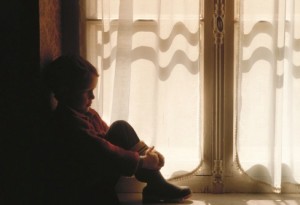 The continuum of exposure to domestic violence ranges from chronic arguing and yelling to controlling behaviors, threats, and intimidation, to physical threats, threats of suicide or murder, to threats involving weapons, to serious injuries and fatal assaults. While domestic violence takes many forms, there is always a destructive undercurrent of power and control, with offenders commonly and compulsively grasping for in a surrogate what is lacking within themselves: control.
Any pattern of behaviors in intimate relationships marked by coercive control can be a signal or foreshadowing of abuses. And when children are involved, they are always significantly affected, remaining at risk not only of direct victimization but long-term effects stemming from exposure itself.
The Centers for Disease Control and Prevention have reported that in homes where violence between partners occurs, there is a 45% to 60% chance of co-occurring child abuse, a rate 15 times higher than the average. Even when they are not physically attacked, children witness 68% to 80% of domestic assaults.
With April marking National Child Abuse Prevention Month, these numbers are a sobering reminder of the toll a violent environment takes on kids.
[fat_widget_right]
The circumstances of domestic violence leave caregivers, emotionally and otherwise, unavailable and unresponsive, activating a primal fear in kids beneath and between a host of other raw, complex, and unresolved emotions. The pioneering psychiatrist and researcher Daniel Siegel has written, “The mind develops as the brain responds to ongoing experience. … The pattern of firing of neurons is what gives rise to attention, emotion, and memory.†And what fires together—in a combination of overtly violent exposures and the child’s underlying neurobiological experience—wires together.
The unavoidable attention given, emotions felt, and memories imprinted onto a child’s brain in moments of stress become inextricably linked together and forever taint—or else filter—feelings, beliefs, and choices in relationships and all of life. These children are not merely innocent bystanders. They are victims.
We must better understand the psychological aftermath, which can include fear of harm or abandonment, excessive worry, sadness, or guilt, inability to experience empathy or guilt, habitual lying, low frustration tolerance, emotional distancing, poor judgment, shame about the past, and fear about the future.
The unavoidable attention given, emotions felt, and memories imprinted onto a child’s brain in moments of stress become inextricably linked together and forever taint—or else filter—feelings, beliefs, and choices in relationships and all of life. These children are not merely innocent bystanders. They are victims.
Although they may be unintended victims, living within a climate of chronic emotional volatility and near acute incidents of aggression has a way of searing a neurophysiological muddle—painful and isolating emotions existing alongside ongoing and frequently unmet needs for affection and attachment.
Parents who are themselves batterers are more irritable, less involved in child rearing, more likely to use severe and erratic physical punishment, and less able to distinguish their children’s needs from their own. Both parents, regardless of culpability, risk poor emotional attunement with their children and, consequently, a decreased capacity to recognize stress and danger, protective factors which might increase a child’s resiliency.
Compared with other kids, those who have witnessed domestic violence experience far greater incidence of insomnia, bed wetting, verbal, motor, and cognitive issues, learning difficulties, self-harm, aggressive and antisocial behaviors, depression and anxiety, as well as, most troubling, adult domestic violence, with boys often becoming offenders, victims, or both, and girls more likely to become victims (Brown and Bzostek, 2003).
A growing body of literature has revealed that children who have been exposed to domestic violence are more likely than their peers to experience a wide range of difficulties, from anger, oppositional behavior, and disobedience to fear, low self-worth, and withdrawal to poor sibling, peer, and social relationships. Studies have found evidence of much higher rates of pro-violence attitudes, rigid stereotypical gender beliefs involving male privilege, animal abuse, bullying, assault, property destruction, and substance abuse.
A study by Kilpatrick, Litt, and Williams (1997) concluded that witnessing domestic violence is an experience in and of itself sufficiently intense to precipitate posttraumatic stress in children. The ongoing Adverse Childhood Experiences (ACE) Study led by the CDC has classified exposure to domestic violence as one of several adverse childhood experiences contributing to poor quality of life, premature death, as well as risk factors for many of the most common causes of death in the United States.
In addition to the exposure itself, additional factors influence impact, including the nature of the violence, age of the child, elapsed time since exposure, the child’s gender, and presence of physical or sexual abuse.
Children who witness fewer incidents of violence and experience positive interactions between caregivers may be, for instance, less detrimentally impacted than those exposed to frequent and extreme aggression. Younger children exhibit more concerning levels of psychological distress than older, more developmentally mature, children. Children are typically highly anxious and fearful immediately after witnessing an incident of domestic violence and less observably so as time passes, but of course this should not be assumed to indicate an absence of anxiety or fear. Boys exhibit more externalizing behavior problems such as aggression and acting out, while girls exhibit more internalizing behavior problems such as withdrawal and depression.
It nearly goes without saying that children who are exposed to domestic violence and are also physically or sexually abused are at a higher risk for emotional and psychological problems than those who witness such violence and are not physically or sexually abused.
Thank goodness there are protective factors that reduce the worst impacts, including a child’s literacy and overall intelligence, the extent to which the child is outgoing and socially competent, and whether the child has safe and supportive relationships with at least one influential adult (Carlson, 2000; Edleson, 2011; Hughes, et al., 2001). Those surrounding the most difficult situations have opportunity to inject resiliency through academic, emotional, and social support. We must all grapple with whether there are ways we might more effectively intervene within our families, schools, and communities to instigate help and healing.
References:
- Brown, B., and Bzostek, S. (2003, August). Violence in the lives of children. Crosscurrents, 1. Bethesda, MD: Child Trends. Retrieved from http://www.childtrends.org/wp-content/uploads/2003/01/2003-15ViolenceChildren.pdf
- Carlson, B.E. (2000). Children exposed to intimate partner violence: Research findings and implications for intervention. Trauma, Violence, and Abuse, 1 (4), 321-342.
- Edleson, J. (2011). Emerging responses to children exposed to domestic violence. Harrisburg, PA: VAWnet, a project of the National Resource Center on Domestic Violence/Pennsylvania Coalition Against Domestic Violence. Retrieved from http://www.vawnet.org/Assoc_Files_VAWnet/AR_ChildrensExposure.pdf
- Hughes, H. M., Graham-Bermann, S. A., and Gruber, G. (2001). Resilience in children exposed to domestic violence. In S. A. Graham-Bermann (Ed.). Domestic violence in the lives of children (pp. 67-90). Washington, DC: American Psychological Association.
- Kilpatrick, K.L., Litt, M., and Williams, L.M. (1997). Post-traumatic stress disorder in child witness to domestic violence. American Journal of Orthopsychiatry, 67 (4), 639-644.
- Siegel, D., and Hartzell, M. (2004). Parenting from the inside out: How a deeper self-understanding can help you raise children who thrive. New York, NY: Tarcher.