
Remember when we called it the information superhighway? That is what it was, back when the internet first showed up. The deal felt simple: you logged on, looked things up, learned something, and left. Now, the feed can reach past your willpower and into your social media nervous system response before you even realize what happened.
Doomscrolling
Vicarious trauma
Attention boundaries
In this blog
And then something happened.
The superhighway became a supermarket. Everything is for sale now. The cost is not just money. It can be your emotional energy, your time, your relationships, your sanity, your regulation, and your ability to sit in a quiet room for five minutes without reaching for the glowing rectangle in your pocket.
Let us talk about what happened, why it matters, why it is not your fault, and what it can look like to get your ground back.
Key insight
The problem is not that you are weak. A social media nervous system response often begins because the feed is designed to bypass reflection and keep the body on alert.
Two Different Harms, One Nervous System
When we talk about “media,” we usually mash together two very different things your body has to deal with.
There is a clinical name for what can happen when we are exposed to suffering that is not ours over and over: vicarious trauma or secondary traumatic stress. In a study on media-induced secondary trauma during the COVID-19 pandemic, Lamba et al. (2023) explored how repeated media exposure can affect mental health during collective crises. This used to be something we talked about mostly with therapists, nurses, and first responders. Now, thanks to smartphones, many more people are exposed to other people’s pain again and again.
Both streams, the addictive and the disturbing, move through the same nervous system. That is the part most people miss.
Your Body Does Not Know It Is Just a Phone
Your nervous system was built for real threats. The kind that show up, get handled, and go away. It does not know what TikTok is. It cannot tell the difference between a bear and a shaky video of a bombing. It cannot tell the difference between friends laughing at your joke and bots boosting a stranger’s comment section.
It reacts to what it sees. Every time.
Heart rate up. Chest tight. Breath shallow. Cortisol dumping. That is supposed to happen briefly: burst, resolve, safety. But scrolling breaks that rhythm. Threat, threat, threat. Comparison, comparison, comparison. No resolution. No off switch. No “it is over now.”
Your body may think you are still in the woods with the bear, hours after you put the phone down.
And the research keeps piling up:
- A systematic review and meta-analysis found that problematic social media use is linked to higher rates of depression, anxiety, and stress in adolescents and young adults (Shannon et al., 2022).
- A meta-analysis linked use of social networking sites with self-reported depressive symptoms, with particular concerns around passive or comparison-based use (Vahedi & Zannella, 2021).
- The World Health Organization reported that problematic social media use among teens rose from 7% in 2018 to 11% in 2022, alongside lower overall well-being (WHO, 2024).
- Excessive screen time has been discussed in relation to changes in brain structure, sleep disruption, attention, and stress regulation (Stanford Lifestyle Medicine, 2024).
So no, it is not just you. It is not only in your head. A social media nervous system response can show up in the body, and it is measurable in sleep, attention, mood, and tension.
A grounded way to think about trauma exposure
If distressing content keeps following you into sleep, relationships, work, or your body, it may help to learn more about how trauma can shape nervous system responses.
What It Looks Like When It Is Wearing You Down
The harm builds slowly. That is why most people do not connect the dots. They just notice something is off.
See if any of this lands:
A quick self-check
- Sleep that does not feel like rest, even when you get eight hours.
- A low hum of worry that eases the second you pick up your phone and comes right back when you put it down.
- Things that used to bring joy feel oddly flat.
- You cannot sit with your own thoughts for more than a minute without reaching for something.
- Cycles of anger and guilt leave you drained.
- Bitterness creeps into places it did not used to live.
- Comparison makes your actual life feel smaller than it is.
- Tension gathers somewhere in your body: jaw, shoulders, stomach, chest.
If a few of those hit, you are not broken. You are a person responding the way a person is supposed to respond to a world you were never built to absorb at this speed.
Change the Design, Not Just the Behavior
Here is the trap. People try to use willpower against apps built to get past willpower.
Guess who wins that fight.
The move is not to try harder. It is to change the design.
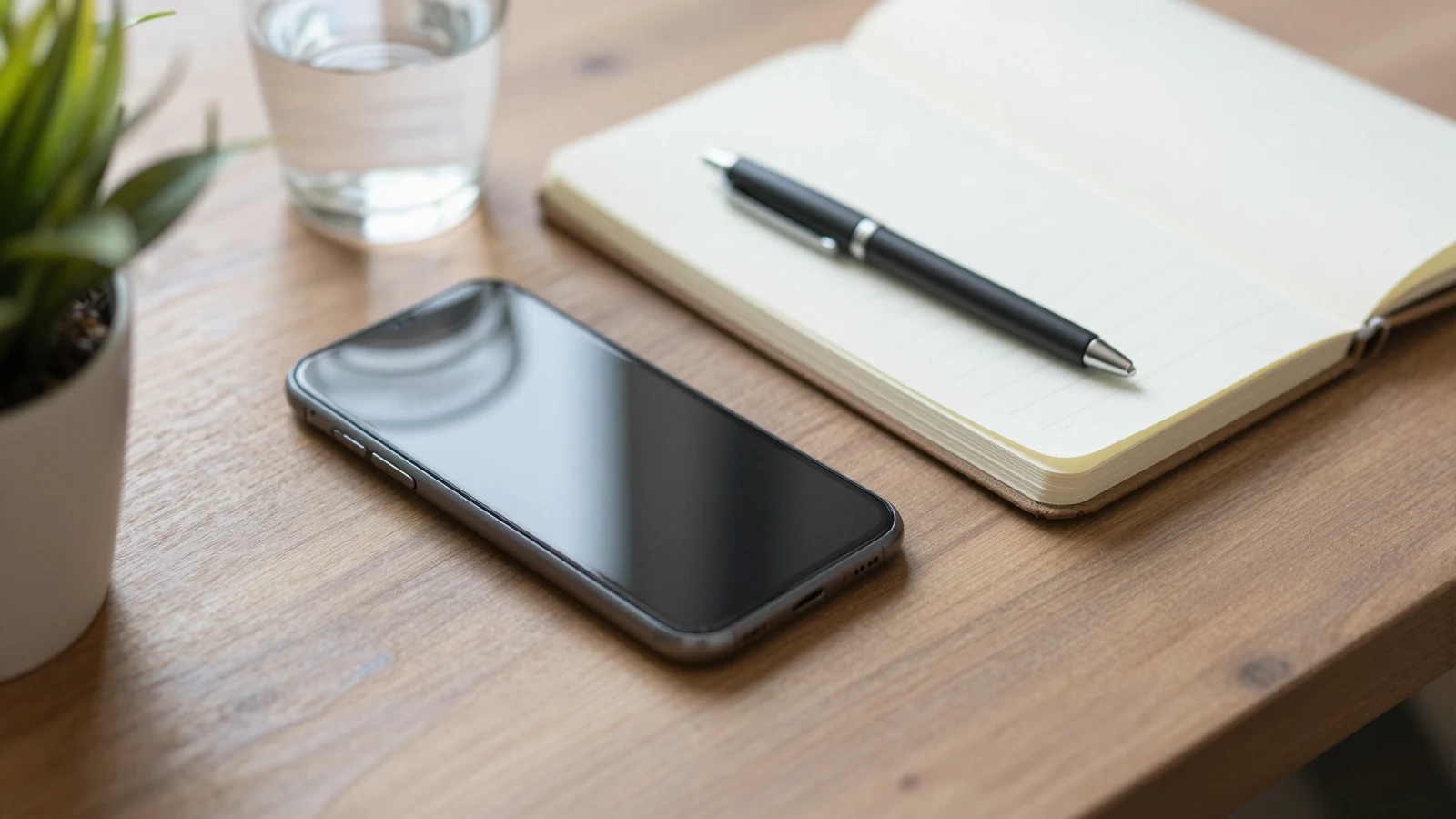
When self-kindness helps the reset stick
A feed boundary works better when it is not fueled by shame. If your inner critic gets loud, this GoodTherapy article on self-compassion and the inner critic may be a useful companion.
Try this now: 5-4-3-2-1
Name five things you can see, four things you can hear, three things you can feel, two things you can smell, and one thing you can taste.
This does not erase the content you saw. It helps your body locate the present moment, which is the only place safety can register.
Put Your Own Oxygen Mask On First
There is a reason flight attendants tell you to secure your own mask before helping the person next to you. A person who has run out of air cannot help anyone else breathe.
Research on caregivers points to a similar reality. Compassion fatigue and burnout are serious concerns among health care professionals, and ongoing research continues to examine how overexposure to distress and depleted regulation can affect people who care for others (Capobianco dos Santos et al., 2025).
Stepping back from media is not selfish. It is not giving up either. It is what lets you stay connected to the people and causes you love without becoming a casualty of the feed.
Support can make the pattern easier to change
If social media nervous system stress is affecting your sleep, relationships, or sense of safety, you can find a therapist through GoodTherapy and talk through what is happening without shame. If you are unsure where to start, GoodTherapy’s guide to finding the right therapist can help you think through fit.
What Comes Back
People who try this often notice the same thing. The first week is weird. Quieter than expected. Sometimes a little lonely. You may pick up your phone out of habit and put it back down. That is not relapse. That is recalibration.
Then something shifts. Sleep gets deeper. Thoughts come back online. Creativity sneaks in. Conversations go longer. The body settles into a kind of safety it had not felt in a long time.
You do not have to throw your phone in the ocean. You just have to stop letting it think for you. Your attention is one of the most valuable things you have. You are allowed to protect it.
Frequently Asked Questions
Common questions about feed stress, body cues, and getting help.
References
| Capobianco dos Santos, C. G., Santos Neto, M. F., Carvalho, S. R. P. V. T., Furlani, M. R., Martins, C. C., Santos, E. R., Menezes, J. D. S., Silva, M. Q., Santos, L. L., Molina, T. C., Castro, N. A. A. S. R., Cristóvão, H., Santos Júnior, R., Brienze, V. M. S., Lima, A. R. A., Fucuta, P. D., Vaz-Oliani, D., Domingos, N. A., Miyazaki, M. C., . . . André, J. C. (2025). Compassion fatigue and burnout among health care professionals: Protocol for a scoping review. JMIR Research Protocols, 14, e66360. https://doi.org/10.2196/66360 | |
| Lamba, N., Khokhlova, O., Bhatia, A., & McHugh, C. (2023). Mental health hygiene during a health crisis: Exploring factors associated with media-induced secondary trauma in relation to the COVID-19 pandemic. Health Psychology Open, 10(2). doi: 10.1177/20551029231199578 | |
| Shannon, H., Bush, K., Villeneuve, P. J., Hellemans, K. G. C., & Guimond, S. (2022). Problematic social media use in adolescents and young adults: Systematic review and meta-analysis. JMIR Mental Health, 9(4), e33450. https://doi.org/10.2196/33450 | |
| Stanford Lifestyle Medicine. (2024). What excessive screen time does to the adult brain. | |
| Vahedi, Z., & Zannella, L. (2021). The association between self-reported depressive symptoms and the use of social networking sites (SNS): A meta-analysis. Current Psychology, 40(5), 2174-2189. https://doi.org/10.1007/s12144-019-0150-6 | |
| World Health Organization. (2024). Teens, screens and mental health. |
Protecting Your Attention Is Care
If your feed keeps leaving your body on alert, support can help you sort through what is being activated and what needs to change.
 |
About the Author Griffin OakleyMSCP, NCC, LMHC, LPC Griffin Oakley, MSCP, NCC, LMHC, LPC, is a licensed therapist specializing in trauma, CPTSD, attachment, and identity work. His work focuses on helping adults make sense of overwhelming inner experiences with more steadiness, self-understanding, and practical support. He provides telehealth therapy to adults throughout Florida through Curious Mind Counseling, where he supports clients navigating trauma recovery, nervous system stress, and relationship patterns. |
Let’s be real: tuning into the latest headlines or scrolling your feed during this political moment can feel like a punch to the gut. If you’ve noticed your stress levels rising, your mood dipping, or a persistent knot in your stomach from the political climate, you’re definitely not alone. Across the country, people are grappling with anxiety, worry, and even grief.
Here’s the truth: feeling overwhelmed right now is entirely normal. The nonstop stream of heated debates, policy shifts, and divisive rhetoric can wear on anyone. It can start to feel like it’s shaping your identity, safety, and sense of hope. That’s why it’s so important to create space for resilience, not to ignore what’s happening, but to protect your mental health so it doesn’t spiral under the weight of it all.
This blog is here to do more than just validate your emotions, it’s a resource to empower you, especially if you’re part of an underrepresented group struggling to find resilience amid the noise. Below, you’ll find practical ways to protect your peace, nurture your well-being, and tap into culturally competent GoodTherapy experts who understand exactly where you’re coming from.
Current Events Causing Widespread Political Stress
Trying to keep up with the U.S. political scene right now can feel like running a marathon with no finish line in sight. No matter where you fall on the spectrum, the back-and-forth and the real-world changes behind the headlines are hitting home in ways many of us can’t ignore
If you’re feeling anxious, overwhelmed, or emotionally drained, it’s a completely valid response. The mounting list of policy shifts isn’t just political jargon; it’s reshaping lives in real, often painful ways, especially for marginalized communities. Here’s just a snapshot of the realities many are navigating right now:
- Natural Disasters Drive Stress Higher: Catastrophic events like the recent floods in southern Texas have caused loss of life, widespread damage, and lasting mental health impacts. They also expose political tensions, as underfunded infrastructure and delayed emergency responses leave some communities feeling neglected or targeted.
- A Spike in Hate, Discrimination, and Violence: No matter where you land on the political spectrum, most people can agree that slurs and targeted violence are not okay. However, recent increases in hate crimes, racial slurs, and other violence against groups like Muslims, Jewish people, and other minority groups are taking a toll.
- Underrepresented Communities Are Losing Support: Recent U.S. Department of Agriculture (USDA) program cuts and tariffs are placing Black farmers under new pressures, and federal funding for Black-led non-profits continues to shrink.
- LGBTQ+ and Other Groups Are Seeing Critical Funding Dry Up: When the NIH halted funding for LGBTQ+ health, gender identity, and research, it didn’t just cut programs, it left entire communities facing uncertainty and frustration.
- Women’s Health Is in the Crosshairs: New laws restricting reproductive services, contraceptives, and even routine health screenings are making it more challenging for women to get the care they need, fueling anxiety and frustration.
- Immigrants Face Uncertain, Harsher Realities: Recent crackdowns and shifting policies have left many immigrants, including those with clean records and proper documentation, feeling unsettled, questioning what “home†really means right now.
Widespread worry is evident, and the shared stress many feel isn’t imaginary: it’s a natural response to real, lived experiences in a climate that often feels unsteady. Because of this, acknowledging the mental and emotional weight so many carry is key for the healing, support, and care you need.
2025: The Year of Political Anxiety
There’s no denying that experiencing discrimination and a tense political climate can take a serious toll on your mental health. The stress, anxiety, and even grief many people are feeling right now isn’t just “in your headâ€: it’s a real, lived experience. But political burnout isn’t exclusive to any one group: recent numbers show nearly half of Gen Z, Millennials, and Baby Boomer populations are feeling it, too.
Maybe you’ve noticed your mind racing, a sense of restlessness, or an energy crash that makes even simple tasks feel impossible. Below are some anxiety and depression symptoms you might be experiencing:
- Excessive worry
- Restlessness
- Feeling on edge
- Fatigue
- Difficulty concentrating
- Other physical symptoms like dizziness, headaches, and digestive issues
If this list feels a little too familiar, you’re not alone and you’re not powerless. Naming political anxiety is a key first step toward caring for your mind and body. From there, support and effective strategies are within reach.
Strategies for Coping With Political Anxiety
While the recent political landscape has been triggering and upsetting for many people, there is hope: learning practical coping strategies to combatl grief and stress is critical for your emotional well-being. Try the following:
- Acknowledge your distress and don’t ignore your feelings
- Set realistic goals around news consumption so you can better understand your personal limits and avoid becoming overwhelmed
- Limit media time, and try to avoid doomscrolling in an unproductive way
- Lean on your community, chances are, friends, family, and others are navigating the same mental health challenges
- Find and create moments of joy: while it’s good to acknowledge negative feelings, making sure you make time to recognize happy moments can give you new perspectives
These coping strategies are great tools to use when you’re feeling overwhelmed. Still, professional help from culturally competent therapists can give you an added level of support and guidance so you can be resilient in the face of political stress.Â

The Value of Culturally Competent Therapy Today
Political anxiety doesn’t exist in a vacuum. It’s deeply shaped by your unique experiences, identity, and how the world responds. The emotional toll of today’s climate can be heavy, especially for those navigating discrimination, marginalization, or the chronic stress of feeling unsafe or unseen. That’s why finding the right therapist matters.
If you’ve ever felt like your identity was misunderstood, minimized, or overlooked in a therapy session, it may be a sign the support wasn’t truly aligned with your lived experience. Culturally responsive therapists are trained to understand the nuances of race, culture, gender, sexuality, religion, and more, all the factors that shape how you experience the world.
Here’s why that kind of care is so essential right now:
- You feel genuinely heard and safe, which is foundational to healing.
- You can unpack the complex impact of systemic issues and discrimination without having to educate your therapist first.
- You get support that’s tailored to your life, not a one-size-fits-all approach.
In a political landscape that often feels unpredictable or hostile, having someone who truly understands your reality can be the difference between feeling alone and feeling empowered. If you’re ready to connect with a therapist who truly sees you, start with the GoodTherapy Help Me Find Care quiz. It asks a few key questions about your needs, preferences, and insurance to help match you with the right provider.
Navigate Political Stress With GoodTherapy
The U.S. political climate can feel relentless, especially for those facing discrimination or systemic barriers. From funding cuts and limited healthcare access to changes in immigration policy, the constant stream of difficult news can take an emotional toll.
But support is available. Culturally competent therapists and supportive communities like GoodTherapy can help you process what you’re feeling and build resilience. Prioritizing your mental health is one of the most powerful forms of self-care. Why wait to find support?
Read More: Want to Learn More About How Therapy Can Help? Explore More
Resources:
Capital B News: Black Farmers Brace for Trump’s Tariffs While Navigating USDA Office Closures
The Observer: Black-Led Organizations Vital to Economic Growth But Remain Underfunded: Report
The Association of American Universities: New Brief Finds NIH has Canceled $1.9 Billion in Grants
KFF Health News: Major Federal and State Funding Cuts Facing Planned Parenthood
Pew Research Center: Americans’ Views of Deportations
Forbes: Election Anxiety: 61% Say Presidential Election’s Impact on Mental Health Is Negative
Medium: Managing Political Anxiety: Simple Strategies for Coping
 Absorbing the constant stream of startling headlines, news sources, political tensions, and global issues can feel overwhelming some days –– but we often can’t look away. If this sounds like you, you’re not alone. Most people (83% of adults) today experience stress about the future of the U.S. and news overload. If your mental and overall health are feeling impacted by the modern age’s constant information flow, this guide helps you recognize your doomscrolling habits and protect your well-being.
What Is Doomscrolling?
Do you find yourself scrolling through headline after news clip after social post that highlights distressing news, even when you know you’re tired or overwhelmed? Many people make doomscrolling a part of their daily life, but it’s taking a toll on our mental health as a society. Defined as constantly consuming distressing news, “doomscrolling†happens because upsetting news triggers your brain’s tendency to scan for danger and remain hypervigilant, even when your mental health is hurting.
You might already have a bad doomscrolling habit and feel its mental effects, but there are ways you can recognize and combat this behavior and better cope with news-related anxiety. As local, national, and global political and cultural landscapes continue to experience tensions and distress, protecting your mental health becomes that much more important.
News Overwhelm: The Mental Health Effects of Doomscrolling
Our self-preservation instinct to absorb more and more news is natural, but that doesn’t mean it isn’t unhealthy if left unchecked. Doomscrolling has proven impacts on society’s mental health, and this issue is growing year by year. A recent American Psychiatric Association study found that in 2024, 43% of adults felt more anxious than they did in both 2023 and 2022.
After doomscrolling, you probably feel anxious, but you might also experience other negative impacts. The following are just a few examples of ways your body reacts when you constantly consume distressing news on social media, television, and other publications:
- Sleep Procrastination: Doomscrolling in the evening can prevent you from getting enough healthy sleep as the scrolling becomes more and more unproductive and upsetting. Your mood and cognitive function might be impacted the next day.
- Worsened Social Connections: Spending significant time and energy scrolling through upsetting news can deplete your mental load, so you have less energy to recharge with friends and family.
- Less Exercise and Sunshine: When you doomscroll inside for hours on end, your body is often sedentary and does not get the exercise and vitamin D it deserves — which can impact your mood and mental well-being.
Staying informed on current events and the news is indeed important, and you might find great value in connecting with others and joining meaningful conversations on social media. Yet, we know that finding the balance between harmful habits and productive change can be challenging. If you are educated on the mental health impacts of scrolling, news coverage myths, and healthy habits for media consumption, you can prevent the negative effects of doomscrolling before they snowball.
Read More: Want to Learn More About the News Cycle and Mental Health? Read Our Guide
Myths About News Consumption and Mental Health: What to Know
You might not be able to completely escape the news, but you can be educated on how to absorb information in a productive, healthy way. As you work to stay informed about current events, keep in mind these three common myths about news consumption:
- Myth 1: Staying Informed Requires Constant Attention: You don’t have to continually consume all media to remain educated. In fact, you can be smart and thoughtful about how and when you take in the news.
- Myth 2: All News Is Complete: News headlines, articles, and stories don’t paint a complete picture. Absorb different perspectives and sources, but know that no piece of news has all the information.
- Myth 3: You Can’t Take Breaks: While it might feel like you have to be in the thick of the news each day, protect your well-being by giving yourself time to learn, space to absorb, and time to reset so you stay healthy.
With these tools, you can balance staying engaged in current events and prioritizing your mental health.
Tips for Managing News Anxiety
A stressful news event might affect you differently than it does someone else. Whether it’s wars, high gas prices, changing healthcare regulations, stories of racism and discrimination, or general violence, the news cycle can trigger different responses in different people. When you’re reading and watching news, keep these general guidelines in mind so you can protect your well-being while you stay informed:
- Be Aware of Your Limits: Taking breaks, muting news, or unfollowing distressing accounts can all help you pace yourself.
- Participate in Your Community: Make an impact by investing time, money, or resources into others for a meaningful cause.
- Use Your Voice: Speak up and act on injustices and distressing events in the world.
- Don’t Neglect Your Feelings: Learn healthy coping mechanisms for managing your feelings, and explore therapy when you need extra support.
- Protect Your Health: You can’t be the best version of yourself without prioritizing your physical, mental, spiritual, and psychological health. Find ways to foster these different components in your life.
Sometimes, news anxiety and overwhelm can feel especially personal and triggering. If you’re seeking support from someone who understands your unique experiences, identities, and feelings, GoodTherapy has a handful of culturally competent professionals prepared to help you navigate mental health challenges related to intersectional identities.
How Therapy Professionals Can HelpÂ
As news and information continue to circulate, you might need the tools to balance being informed with staying mentally healthy. By recognizing the dangers of doomscrolling, keeping general tips in mind, and seeking professional help, you can limit doomscrolling and spend more time making a difference.Â
GoodTherapy’s trusted, patient-centered therapists are prepared to help you navigate through whatever mental health needs you have, including achieving a doomscrolling detox. Find the right therapist for you through GoodTherapy and know that you are not alone: there is help for you.
External Sources:
American Psychological AssociationÂ