
Many people find themselves constantly pouring love into a relationship cup that never seems to feel full. Loving someone who is emotionally unavailable is painful and confusing, and the exhaustion that comes from trying to connect while being kept at arm’s length deserves acknowledgment.
When it comes to navigating your partner’s emotional unavailability, understand this: emotional unavailability isn’t about you. It’s a complex pattern rooted in psychology, past experiences, and deeply ingrained protective mechanisms. Let’s explore what’s really happening beneath the surface and, more importantly, how you can navigate this challenging dynamic with clarity and self-compassion.
Emotional Unavailability
Attachment Styles
Relationship Patterns
Coping Strategies
♥
The Root Causes
Why some people struggle to be emotionally present in relationships
|
âš
The Warning Signs
Consistent patterns that signal emotional unavailability in a partner
|
✔
How to Cope
Strategies to protect your well-being and decide your next steps
|
What Does Emotional Unavailability Really Mean?
Emotional unavailability describes a pattern where someone consistently struggles to be present, vulnerable, or intimate in a relationship. They are emotionally distant, often reluctant to share feelings, resistant to deeper conversations, and unable to commit to the relationship’s growth.
This is different from the occasional bad day or needing space after a stressful week. We all have moments when we’re less available emotionally.
“
True emotional unavailability is consistent and pervasive. It’s the person who deflects every serious conversation, who changes the subject when things get real, or who disappears emotionally just when you need them most.
Why Are Some People Emotionally Unavailable?
Understanding the “why†doesn’t excuse hurtful behavior, but it can help you see the situation more clearly and make better decisions for yourself.
|
♥
|
Root Cause 01
Avoidant Attachment Styles
|
Much of emotional unavailability stems from attachment patterns formed in early childhood. People with avoidant attachment styles learned, often as children, that emotional closeness equals danger. Perhaps their caregivers were dismissive, unpredictable, or emotionally cold. To survive, they developed a protective strategy: keep people at a distance, don’t rely on anyone, and don’t be vulnerable.
As adults, these individuals often crave connection but simultaneously fear it. They may unknowingly sabotage intimacy, pulling away just as the relationship deepens because they’ve simply learned that caring hurts.
|
♦
|
Root Cause 02
Past Trauma and Relationship Wounds
|
Emotional unavailability often stems from unhealed wounds. Someone who’s been deeply hurt from betrayal, abandonment, abuse, or devastating loss may have walls up. Their logical response is, simply put: if I never let anyone in, I’ll never get hurt again.
Trauma affects the person who experienced it, but its ripples extend outward into their relationships. Without proper therapeutic support, these individuals may unconsciously recreate distance as a survival mechanism.
|
â˜
|
Root Cause 03
Fear of Intimacy and Vulnerability
|
Some people are terrified of being truly known. Intimacy requires vulnerability, which means showing your imperfect, messy, authentic self to someone. For many, this feels scary, and they may fear judgment, rejection, or the loss of control that comes with deep emotional connection.
This fear often manifests as keeping conversations superficial, avoiding labels or commitment, or physically withdrawing during emotionally charged moments.
How Do I Know If My Partner Is Emotionally Unavailable?
If you’re wondering if your partner is emotionally unavailable, look for these consistent patterns:
Warning Signs to Watch For
01
|
They avoid discussing feelings or future plans |
|
02
|
Physical intimacy exists, but emotional intimacy doesn’t |
|
03
|
You feel lonely even when you’re together |
|
04
|
They dismiss your emotional needs or call you “too sensitive†|
|
05
|
Past relationships were all “casual†or ended due to their pulling away |
|
06
|
They’re overly focused on work, hobbies, or anything that creates distance |
|
“One instance doesn’t define a pattern. But if you’re constantly feeling like you’re chasing emotional crumbs, that’s a red flag worth examining.â€
Can Emotionally Unavailable People Change?
Here’s the truth that’s both hopeful and hard: people can change, but only if they want to and are willing to do the work. Change requires self-awareness, acknowledging the problem, and a commitment to personal growth, either through therapy or another healthy avenue.
The question isn’t just “can they change?†but “are they actively trying to change?†There’s a vast difference between:
|
✓
|
Actively Working on It
|
Someone who recognizes their emotional unavailability and is actively working with a therapist to understand and shift these patterns
|
Someone who denies the issue or expects you to accept breadcrumbs indefinitely
|
How Can I Cope With an Emotionally Unavailable Partner?
If you’re dealing with an emotionally unavailable partner, here are strategies to protect your well-being:
01
|
♦
|
Set Clear Boundaries
You cannot force someone to be emotionally available, but you can decide what you’re willing to accept. Communicate your needs clearly and calmly, then follow through with boundaries. If deep emotional connection is non-negotiable for you, say so.
|
02
|
♦
|
Stop Trying to Fix Them
As much as you may want to help, you are not their therapist. The urge to heal or save your partner is understandable but ultimately futile and exhausting. Their emotional work is theirs to do.
|
03
|
♦
|
Focus on Your Own Well-being
Redirect the energy you’ve been pouring into this relationship back into yourself. Reconnect with friends, pursue passions, invest in your own therapy. A relationship should add to your life, not drain it.
|
04
|
♦
|
Consider Couples Therapy
If both partners are willing, couples therapy can create a safe space to explore these dynamics. A skilled therapist can help the emotionally unavailable partner understand their patterns and help you both develop healthier communication.
|
05
|
♦
|
Know When to Walk Away
This is perhaps the hardest truth: sometimes love isn’t enough. If your partner refuses to acknowledge the problem or make any effort to change, you may need to prioritize your own emotional health. Staying in a relationship that consistently leaves you feeling unseen and unmet can erode your self-worth over time.
|

What If I’m the Emotionally Unavailable One?
If you’re reading this and recognizing yourself in these signs, that’s ok. Awareness is the crucial first step, and emotional unavailability isn’t a character flaw: it’s a learned protective pattern that served you once but may now be limiting your capacity for deep connection.
|
★
|
A Note on Self-Awareness
|
Therapy, particularly approaches focused on attachment or trauma, can help you understand where these patterns originated and develop new ways of relating. The work isn’t easy, but building capacity for emotional intimacy can transform not just your relationships but your entire life.
Take the First Step in Coping & Growing
You deserve a relationship where you feel seen, valued, and emotionally met. Whether that means your current partner commits to growth and change, or you decide to seek that connection elsewhere, trust that your need for emotional intimacy is valid and worthy of fulfillment.
If you’re struggling with this dynamic, reaching out to a therapist who specializes in relationship issues can provide the support and clarity you need to move forward with confidence and start building your emotional intelligence.
Not sure where to start? Take our quiz to find out what you’re looking for and how trained professionals at GoodTherapy can help.
You Deserve to Feel Emotionally Met
Whether you’re seeking support for yourself or looking for help with your relationship, GoodTherapy connects you with therapists who specialize in exactly this.
Relationship Loneliness Emotional Intimacy Attachment
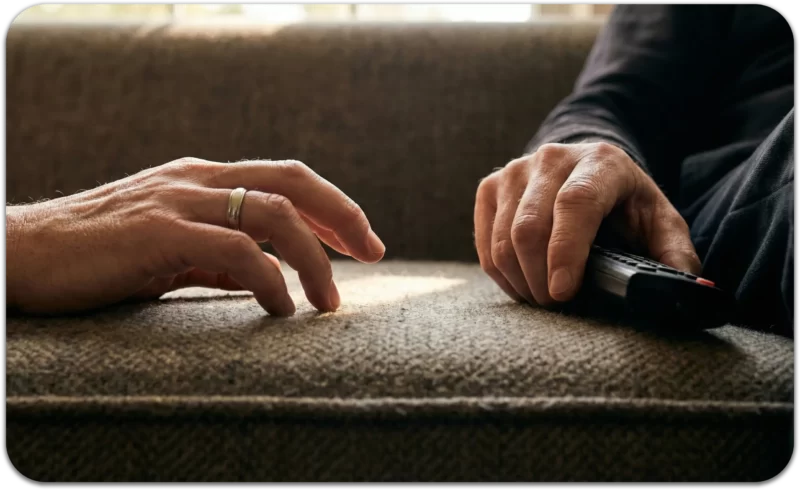
There is a specific kind of ache that comes from feeling lonely in a relationship. It comes from sitting next to someone you love and realizing you haven’t really felt them in a while. You still talk, share a home, manage routines, but something underneath feels… out of reach.
You tell yourself it’s just a phase, or that every relationship has ups and downs. And that’s true, but this kind of disconnection can quietly wear at you. It’s subtle, the way emotional distance builds. You start to sense the gap but don’t know how to name it without it sounding like blame. You can love someone deeply and still miss how it used to feel.
What you feel
Lonely with someone you love
What it is
Emotional disconnection, not a flaw in you
First step
Notice and name the loneliness with care
Health organizations such as Harvard Health and the National Institute on Aging describe loneliness as a serious health concern, not just a mood. People can feel profoundly lonely even when they live with a partner. Emotional connection matters more than how many people are physically around you, which is why feeling lonely in a relationship can hurt so much.
Quick reassurance: If you are feeling lonely in a relationship you care about, you are not too needy. Your nervous system is signalling a basic human need for safe, consistent connection. That is a healthy need, not a flaw.
Feeling Lonely In A Relationship: The Hidden Cost
Emotional disconnection rarely starts with one big fight. It usually builds through missed moments, chronic stress, unresolved hurts, and unspoken needs. One partner pulls away a little to avoid conflict. The other leans in harder to reconnect. Over time, both start protecting themselves more than they reach for each other, and feeling lonely in a relationship becomes the new normal.
What it looks like on the outside
- You coordinate schedules, bills, and tasks smoothly.
- You attend events and keep the household running.
- Friends might describe you as a “solid couple”.
What it feels like on the inside
- You miss how you used to laugh or talk late into the night.
- You feel oddly alone in big moments that should feel shared.
- You are not sure how to say “I am feeling lonely in this relationship” without sounding like you are blaming.
The protest and withdraw cycle at a glance:
Partner A
Protests the distance, asks more questions, criticizes, or pleads for closeness.
Partner B
Feels overwhelmed and pulls away, goes quiet, or disappears into work or screens.
Result
Both feel alone. Neither is the villain. Both are trying to stay emotionally safe.
Over time, that safety can start to feel like silence. Touch becomes less spontaneous. Conversations shorten. It is easier to say “we are fine” than to explain the quiet ache that comes with feeling lonely in a relationship you want to protect.
“Sometimes loneliness in a relationship is not the absence of love. It is the absence of feeling truly known.”
When loneliness feels heavy or hopeless:
Long term loneliness is linked with increased risks for depression, anxiety, and physical health problems. If your mood is sliding or daily life feels harder, reaching out for support from a physician, a mental health professional, or the GoodTherapy therapist directory can be an important step.
How Emotional Disconnection In Relationships Shows Up
Emotional disconnection and relationship loneliness can show up in both quiet and loud ways. If you are feeling lonely in a relationship, this overview can help you see your experience more clearly.
Everyday signs
- Most talks are about logistics, not feelings or dreams.
- You feel unseen or unheard, even when you spend a lot of time together.
- Sex or affection feels rushed, routine, or emotionally flat.
- Conflicts loop without resolving the deeper hurt.
Inner experience
- You wonder if you are “too much” or “not enough”.
- You feel more emotionally safe with friends, kids, or your phone than with your partner.
- You grieve the version of your relationship that used to feel alive.
These reactions are understandable responses to unmet attachment needs, not evidence that you are broken.
Relationship connection meter (how does this feel for you lately)
If emotional connection feels low while stress feels high, your relationship is carrying a lot. You do not have to carry that weight alone.
Research from the National Institutes of Health on attachment theory demonstrates that these patterns often trace back to our earliest relationships and how we learned to regulate emotions. According to research on attachment and emotion regulation, insecure attachment styles can make it harder for partners to effectively communicate their needs and respond to each other’s distress.
Feeling like your partner is emotionally available, responsive, and engaged is strongly linked to satisfaction and mental health. When that sense of emotional safety erodes, feeling lonely in a relationship is a common and understandable result.
Why You Can Love Someone And Still Feel Lonely In The Relationship
Emotional disconnection is less about how much you love each other and more about the patterns that have formed between you. Here is a simple roadmap of how couples can drift apart and end up feeling lonely in a relationship that once felt safe.
Emotional disconnection timeline
1
Stress builds and the relationship shifts into task mode instead of connection mode.
2
Small hurts go unresolved, so both partners start walking on emotional eggshells.
3
Protest and withdraw cycles form, and deeper needs stay hidden under criticism or shutdown.
4
Loneliness settles in, even though the love and history between you are still there.
1. Stress and survival mode
When life is packed with work, caregiving, money worries, or health issues, many couples slide into survival mode. You become excellent at running a household together and less practiced at sharing feelings. Chronic stress makes it harder for the nervous system to stay open, curious, and playful, which are key ingredients of emotional intimacy.
2. Different emotional and “love” languages
Some people feel close through deep conversation. Others feel loved through practical help, time together, shared humor, spiritual connection, or physical touch. When partners have different emotional or cultural languages, they can both be loving in their own way and still feel unseen or lonely in the relationship.
Attachment informed approaches such as Emotionally Focused Therapy (EFT) help couples understand and respond to each other in ways that actually land as love, rather than missed signals.

3. Protest and withdraw cycles
When one partner feels disconnected, they may protest the distance by asking for talks, pushing for reassurance, or criticizing. The other may respond by withdrawing, going quiet, or losing themselves in work or screens. The more one protests, the more the other withdraws, and the more alone both partners feel.
Underneath this pattern, people often carry fear such as “Will you leave me”, shame such as “Am I failing you”, or grief such as “We are losing something precious”. Therapies rooted in attachment science help couples slow down this dance so those tender feelings can be shared more safely and so that feeling lonely in a relationship is no longer the default setting.
4. Attachment wounds and past experiences
Our earliest relationships shape how safe closeness feels now. If you learned that emotions were dangerous, that you had to be the “strong one”, or that your feelings did not matter, then being emotionally open with a partner can feel risky, even when you love them. That history can make feeling lonely in a relationship more likely, especially under stress.
5. Neurodiversity, culture, and other differences
Some couples navigate differences in neurotype, culture, language, gender roles, or trauma history. For example, in some neurodiverse relationships one partner may need more quiet time or structure while the other longs for spontaneous emotional check ins. Without a shared understanding of these differences, both can end up feeling misunderstood and alone in the relationship.
Loneliness is a health issue too:
U.S. Department of Health & Human Services describe loneliness and social disconnection as serious health risks, comparable to other major risk factors. Taking your relationship loneliness seriously is not overreacting. It is one way to care for both your emotional and physical wellbeing.
First Steps When You Are Feeling Lonely In A Relationship
Rebuilding emotional intimacy rarely happens through one big conversation or a perfect date night. More often, it comes from small, consistent acts of presence that slowly change the emotional climate between you. You do not have to fix everything at once. You can start with a few gentle shifts, even while you are still feeling lonely in a relationship that matters to you.
1. Get clear on your own experience
Before you bring this up with your partner, it helps to know what the loneliness actually feels like for you. You might journal or reflect on questions such as:
- When do I feel the most lonely in this relationship, and when do I feel more connected.
- What kind of connection do I miss most, such as deeper talks, more touch, shared fun, or spiritual or creative time.
- What am I afraid might happen if I say “I feel lonely with you” out loud.
Growing your own emotional awareness is part of emotional intelligence, which can reduce loneliness and support healthier relationships.
Body based mini check in:
When you think about your partner, notice:
- Where does the loneliness sit, for example chest, throat, or stomach.
- Does your body feel tight, numb, or a bit softer when you imagine more closeness.
- What happens in your body when you imagine talking about feeling lonely in the relationship.
These sensations are information, not verdicts. They can guide the pace at which you move and whether extra support would help.
2. Lead with gentle honesty, not blame
Many people avoid talking about feeling lonely in a relationship because they do not want their partner to feel attacked. It can help to center your feelings and hopes instead of their flaws. For example:
-
“I have been feeling lonely in our relationship, even though I really love you, and I do not want it to stay this way.”
-
“I miss feeling close to you. Could we set aside some time to talk about that when we both have energy.”
-
“We are great at getting things done, and I would love us to have more time where we talk about us too.”
Try to choose a calmer moment if possible, not the middle of a fight or while someone is rushing out the door. It is completely normal if the first few conversations feel awkward. You are practicing a new way of being together.
Need help finding the words:
A therapist can help you practice what you want to say, or even support a first conversation in session. You can explore options through the
GoodTherapy Find a Therapist directory.
3. Learn each other’s emotional languages
You might try a curiosity based mini interview with each other:
-
“When do you feel most emotionally close to me.”
-
“What do I already do that helps you feel loved, even if I do not notice it.”
-
“What tends to shut you down or make you want to pull back.”
-
“If we had ten extra minutes a day just for us, what would you want to do with them.“
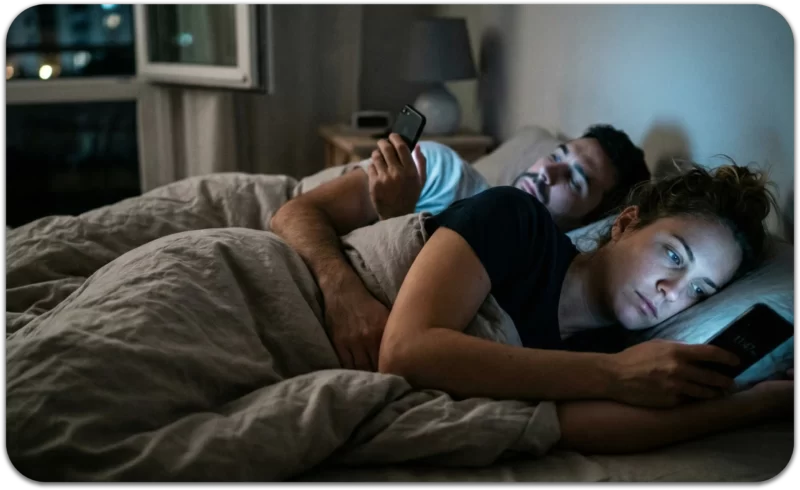
Even small daily habits matter, such as putting phones away for a few minutes, offering a longer hug, or saying thank you for everyday things. Responding to these small “bids” for connection can slowly soften the feeling of being lonely in a relationship.
Click to see examples of “bids” for connection
-
Your partner sighs and says “Today was a lot”.
-
They send a meme or reel and wait to see if you smile.
-
They ask “Did you see that” about something they care about.
-
They move a little closer on the couch or reach for your hand.
Turning toward these small bids with attention, even briefly, can start to soften relationship loneliness.
4. Create tiny rituals of connection
Emotional intimacy is easier to maintain when it has a place in your routine. A few possibilities:
-
A 10 to 15 minute “phones away” check in in the evening.
-
A weekly walk or coffee where you talk about how you are really doing, not just logistics.
-
A simple repair ritual after conflict, such as “What felt hard, and what might help next time.”
-
Naming one small thing you appreciate about each other each day.
If these rituals feel stressful, forced, or impossible to maintain, that does not mean you are failing. It may mean your nervous systems are still in high alert and that more support would help before emotional closeness feels accessible again.
You do not have to fix this alone:
Couples therapy, especially attachment based work like EFT, can give you a safer space to experiment with new patterns. You can read more about EFT on GoodTherapy or search for a couples therapist in the GoodTherapy directory.
When You Are Not Sure What You Want Yet
Sometimes feeling lonely in a relationship brings up bigger questions. You might find yourself wondering:
“Is this fixable”
You might notice moments of warmth or effort from your partner that remind you why you chose each other. You might also notice patterns that feel stuck. Both can be true at the same time.
“Should I stay”
There is usually no quick, one size fits all answer. Your safety, values, history, support system, and options all matter. These questions deserve time, not pressure.
A Grounded, Gentle Reminder
If you have been feeling lonely in a relationship, you are not broken and neither is your love. You’re human. You’ve both been navigating stress, routines, and life’s noise.
You deserve to feel emotionally seen- not just partnered, but known. Reconnection doesn’t start with grand gestures; it starts with gentle honesty, patience, and a willingness to be curious again.
Sometimes love asks you to stay; other times, it asks you to reach differently. Either way, you get to honor your need for closeness. You get to ask for softness again.
Frequently Asked Questions:
Here are some common questions people ask when they feel lonely in a relationship they still care about.
Q: Is it normal to feel lonely in a relationship you love?
A: Yes. Many people report periods of feeling lonely in a relationship, even in long term, loving partnerships, especially during life transitions or high stress seasons. Feeling lonely in a relationship does not automatically mean the relationship is unhealthy or hopeless. It does mean that emotional connection needs attention and care.
Q: How do I know if this relationship loneliness means we should break up?
A: Loneliness alone does not give the full answer. It helps to look at patterns over time. Are both of you willing to talk about the distance, even imperfectly. Do you see at least some efforts to respond when you reach out. Are there patterns of emotional or physical harm, severe contempt, or ongoing betrayal that make the relationship unsafe. These are complex questions that a therapist can help you sort through at a pace that feels manageable.
Q: Can couples therapy really help us feel emotionally close again?
A: Many couples do experience more safety and closeness through approaches like Emotionally Focused Therapy and other attachment based models. These therapies focus on understanding your emotional dance, slowing down reactive patterns, and helping you practice new ways of reaching for each other, not just learning communication tips. While there are no guarantees, research supports these approaches as effective for many couples.
Q: How can I tell my partner I am feeling lonely without hurting them?
A: You might begin by naming your care and your hope before naming the pain. For example, “I love you and I want us to feel closer. Lately I have been feeling lonely in our relationship and I do not want to keep that inside.” Focus on your feelings and needs instead of listing your partner’s flaws, and choose a calmer moment to talk, not the middle of an argument. If this still feels overwhelming, you can ask a therapist to help you prepare or to have this conversation together in a session. You can search for support through GoodTherapy’s therapist directory.
 Strong marriages don’t just happen, they require intentional effort. These expert-backed marriage tips help build lasting emotional intimacy and commitment. As a licensed marriage and family therapist with 17 years of experience, I’ve witnessed countless couples transform their relationships using these ten foundational principles.
1. Prioritize Emotional Intimacy as Your Foundation
Emotional intimacy serves as the building block for everlasting love. This friendship component of romantic partnerships involves becoming an active listener who stays engaged during conversations. One of the most powerful marriage tips is to practice active listening without judgment. Practice asking curious, probing questions while refraining from immediately offering advice. This approach keeps your partner seeking your closeness and companionship.
Research shows that emotional connection significantly impacts relationship longevity. Studies by Dr. John Gottman demonstrate that couples who maintain emotional intimacy have better relationship outcomes, while the American Psychological Association reports that first marriages have significant divorce rates. When partners feel emotionally safe and understood, they’re more likely to maintain their bond through challenges.
2. Commitment forms the backbone of successful marriages.
True commitment manifests in multiple ways:
- Prioritizing your relationship’s needs
- Following through with your promises
- Treating your partner with respect, even during conflicts
- Putting consistent effort into pursuing your partner
- Speaking positively about your partner to others
- Actively working toward strengthening your future together
- Focusing on your partner’s positive qualities over their flaws
- Making time for fun and shared experiences
3. Keep Passion Alive Through Intentional Action
Passion often feels strongest during relationships’ early stages but tends to fade without conscious effort. Maintain healthy passion levels by making a deliberate commitment to being an engaging, affectionate partner.
Touch and kiss daily, verbally express your attraction, and prioritize physical intimacy when mutually desired. This closeness creates lasting feelings of love and affection that sustain your partnership.
4. Handle Conflict Constructively
Conflict is inevitable in healthy relationships, what matters is how you navigate disagreements. Among the most essential marriage tips is learning to handle disagreements constructively. Follow these evidence-based strategies:
- Practice empathy to understand your partner’s perspective
- Pay attention to nonverbal communication, as body language often conveys more than words
- Always take time to repair by taking accountability, acknowledging growth areas, apologizing sincerely, and reconnecting physically
5. Establish Strong Communication Patterns
Communication serves as the cornerstone of thriving marriages. Make daily check-ins a priority using the T.E.A.M. framework:
- T: Start with Touch (sit close, hold hands, hug)
- E: Educate each other about something learned that day
- A: Appreciate your partner with affirming words
- M: Provide Mutual feedback on personal and relational growth opportunities
This structured approach, as marriage tips, ensures consistent communication that deepens understanding and connection.
6. Maintain Healthy Perspective
Before reacting emotionally, ask yourself: “Will this matter in five years?” Most issues that trigger immediate reactions won’t have lasting significance. Consider whether the conflict is worth potentially damaging your marriage.
Many couples seek therapy after arguments they can’t even remember starting. Learning to take perspective before reacting to triggers helps you let go of minor issues that don’t deserve major energy.
7. Live Proactively, Not Reactively
Proactive living means addressing relationship needs before they become problems. Touch base about upcoming days the night before to align expectations and stay connected.
Proactive strategies include:
- Making grocery runs before you’re out of food
- Filling gas tanks before they’re empty
- Paying bills in advance
- Planning enjoyable activities together monthly
- Anticipating and meeting relationship needs before conflicts arise
8. Practice the “Give to Receive” Principle
Often, couples remain stuck in conflict because neither partner wants to be first to offer the closeness they’re craving. When you feel angry about unmet needs, try giving that exact need to your partner first.
This approach helps you practice self-satisfaction while creating space for your partner to reciprocate naturally. It breaks negative cycles and promotes positive relationship dynamics.
9. Support Individual Growth and Evolution
For love to last forever, you must allow space for your partner’s personal development. Support new interests, encourage trying different experiences, and embrace who your partner becomes at each life stage.
Blocking your partner’s evolution will ultimately block their love for you. Healthy relationships require both individual growth and couple development.
10. Pray for Your Partner (If Aligned with Your Beliefs)
Spiritual practices can strengthen emotional bonds when they align with your values. Taking moments to focus positive intentions on your partner’s health, happiness, growth, stability, peace, and mental clarity can enhance both your feelings toward them and their overall well-being.
This practice works regardless of specific religious beliefs, the key is channeling loving, supportive energy toward your partner’s highest good. Studies show that couples who engage in shared spiritual or mindful practices together report higher relationship satisfaction and better conflict resolution skills.
show that couples who engage in spiritual practices together report 23% higher relationship satisfaction and better conflict resolution skills.
Start Building Your Thriving Marriage Today
These ten principles provide a roadmap for creating the lasting, fulfilling marriage you desire. Remember that building emotional intimacy, maintaining commitment, and practicing conscious communication require ongoing effort from both partners.
If you’re struggling to implement these strategies or need additional support, consider working with a qualified marriage counselor who can provide personalized guidance for your unique situation. Find a licensed marriage counselor near you.
Ready to strengthen your relationship? Start with one principle today and gradually incorporate others as new habits develop!
Related Resources