
Understanding Intergenerational Trauma: An Introduction for Clinicians
January 8, 2021 • By Dr. Fabiana Franco, PhD, DAAETS
by Dr. Fabiana Franco, PhD, DAEETS
Simple trauma describes a single, circumscribed traumatic event (such as an assault). Complex trauma occurs when a person experiences a series of repeated traumatic events or when new, unique traumatic incidents occur such as natural disasters. Complex trauma early in life can damage multiple aspects of the child’s development. Complex trauma may involve entire families in incidents of violence, addiction, or poverty. (1)
Historical Trauma
Historical trauma refers to traumatic experiences or events that are shared by a group of people within a society, or even by an entire community, ethnic, or national group. Historical trauma meets three criteria: widespread effects, collective suffering, and malicious intent (2). Historical Trauma Response (HTR) can manifest as substance abuse, suicidal thoughts, depression, anxiety, low self-esteem, anger, violence, and difficulty in emotional regulation (3)
Intergenerational Trauma
Intergenerational trauma (sometimes referred to as trans- or multigenerational trauma) is defined as trauma that gets passed down from those who directly experience an incident to subsequent generations. Intergenerational trauma may begin with a traumatic event affecting an individual, traumatic events affecting multiple family members, or collective trauma affecting larger community, cultural, racial, ethnic, or other groups/populations (historical trauma). Those affected by intergenerational trauma might experience symptoms similar to that of post-traumatic stress disorder (PTSD), including hypervigilance, anxiety, and mood dysregulation.
Intergenerational trauma was first identified among the children of Holocaust survivors (4), but recent research has identified intergenerational trauma among other groups such as indigenous populations in North America and Australia (3)(5). In 1988, one study showed that children of Holocaust survivors were overrepresented in psychiatric referrals by 300% (6). The subjects were selected based on having at least one parent or grandparent who was a survivor.
Parenting as an Explanation for the Phenomenon of Intergenerational Trauma
While the existence of intergenerational trauma is well documented in multiple studies across several cultures, the mechanisms of transmission of intergenerational trauma remain unclear.
Trauma’s Effects on Parents
Parents may transmit inborn genetic vulnerabilities triggered by their own traumatic experience or via parenting styles that have been impacted by their trauma (7). Trauma survivors face many challenges when they are parents, including difficulty bonding to and creating healthy emotional attachments with their children. Yael Danieli categorized four adaptation styles amongst the families of survivors: Numb, Victim, Fighters, and Those Who Made It. Survivors who become numb seek silence by self-isolating, have a very low tolerance for stimulation of any kind, and are minimally involved in raising their children. Victims fear and distrust the outside world, try to remain inconspicuous, and are frequently depressed and quarrelsome. Fighters focus on succeeding at all costs and retaining an armor of strength, making them intolerant of weakness or self-pity. Those Who Made It are characterized by their pursuit of socio-economic success but also by the ways in which they intentionally distance themselves both from their experience of trauma and from other survivors (8).
Effects on Children
Children experience and understand the world primarily through direct caregivers and are, therefore, profoundly affected by their parents’ modeling. Children both mimic their parents’ behaviors and learn to navigate future relationships based on how they learned to relate to their parents. Enduring coping mechanisms due to the effects of trauma may be forged out of efforts to avoid and/or “fix†a parent’s abusive behavior, anger, depression, neglect, or other problematic behaviors.
GoodTherapy members with Basic, Premium, and Pro memberships are invited to submit articles for the GoodTherapy blog. Not a member yet? Learn more here.
The Great Famine in Ukraine of 1932-1933 and Intergenerational TraumaÂ
The Holodomor (derived from the Ukrainian “to kill by starvationâ€â€˜) is also known as the Famine-Genocide in Ukraine, the Terror-Famine, the Great Famine, or the Ukrainian Genocide of 1932–33. It resulted from deliberate actions on the part of the authorities in Soviet Ukraine who, under the direction of Joseph Stalin, sought to force collectivization on the ethnic Ukrainian peasant population. This resulted in the deaths of millions (11).
In 2010, Brent Bezo conducted a pilot study to understand the generational impact of the Holodomor. Bezo interviewed 45 people from three generations of 15 Ukrainian families. The first generation survived through the Holodomor: the second and third generations were their children and grandchildren.
The study revealed that the coping mechanisms that the direct survivors had developed during the genocide were retained in the family system and passed down to their children and grandchildren. They described living in “survival mode,†including difficulty trusting people, a food-scarcity mentality, low self-worth, hoarding, social hostility, and risky health behaviors (10).
Aboriginal Communities in Canada and Intergenerational TraumaÂ
Aboriginal communities in Canada suffered from sustained trauma. For generations, Canada tried to forcibly assimilate Aboriginal people by placing them in residential schools, removing children from their families, and generally attempting to eradicate their culture and traditions (5).
The effects of this prolonged trauma have impacted First Nations groups on individual and collective levels, including markedly high rates of depression and self-destructive behaviors compared to the non-Aboriginal population. One of the challenges for mental health professionals working with community members is to understand the effects of intergenerational trauma on their clients, including a well-earned mistrust in the ministries of outsiders.
When Trauma is not Acknowledged – Learning From the Armenian Genocide
Mental health professionals are often unfamiliar with the history of those they seek to treat. Unrecognized and, therefore, unacknowledged traumatic events, such as family trauma or childhood trauma will go on to pose unique challenges for both client and clinician.
Trauma Denied
The Armenian Genocide, during which the Ottoman Turkish Empire massacred 1.5 million Armenians in 1915, is an example of historical trauma that has often been either minimized or denied outright. In fact, the mass murder of Armenians, Assyrian, Greek, and other Christian and religious minority populations of the Ottoman Empire between 1914 and 1923 has yet to be acknowledged as a genocide by the Turkish government (11). It can be especially challenging to cope with an injury while you are still fighting for its acknowledgment a century after it was inflicted. Additionally, due to this lack of formal recognition, Armenian survivors find it difficult to trust non-Armenian mental health professionals with their history and pain (12).
Coping: Family Closeness
Dagirmanjian suggested narrative therapy as a treatment with Armenians (12). Narrative therapy allows survivors to embody and settle into their perception and view of themselves (11). Another important key to working with Armenians is understanding the way Armenians value family closeness. This trait has sometimes been misunderstood and even considered unhealthy by Western clinicians who have been trained to approach family therapy with the goal of promoting individuation (12). In general, it is crucial for the mental health professional to understand the cultural context of the person suffering from trauma, including intergenerational trauma, to provide the most effective and sensitive treatment.
When Trauma Attacks the Core of a Person’s IdentityÂ
Systematic attacks on a person or group’s identity, such as the Holocaust or the Aboriginal experience, are particularly damaging because identity and tradition are essential to perceived meaning in life. Victor Frankl, in his book, Man’s Search for Meaning, describes the imperative for people to feel securely connected to meaning in their life: without specific meaning, it is literally impossible to live (13).
In approaching survivors of historical trauma in which the intent was not only to inflict pain or kill but to demean and, ultimately, erase the identity of an entire people, the therapist must be aware that recovery requires the restoration of morale, identity, and purpose.
Culturally-Mindful Interventions
In Canada’s Aboriginal communities, intergenerational trauma treatment is complicated due to high substance use (which is itself likely a sequela of historical trauma). A valuable 2015 study (14) demonstrated the importance of blending Aboriginal and Western healing methods to treat intergenerational trauma when it was associated with substance use disorder among Aboriginal people in Canada (14). A vital element in this approach is reclaiming and recovering Aboriginal identity, including traditions, philosophies, and practices, and adapting them to current circumstances and needs. Programs that enhanced identity through cultural affiliations, increased cultural awareness through healing circles and family involvement, and were strongly influenced by traditional Aboriginal spirituality contributed significantly to decreases in substance use, domestic violence (which are often associated with substance use), and an overall increase in individual and communal healing (14).
The Role of Epigenetics in Intergenerational Transmission of TraumaÂ
Maternal stress and trauma are associated with health consequences for both mother and child, including low birth weight, fetal growth, and preterm delivery (15). The effect of maternal stress and trauma translate into additional risks for the infant later in life, including hypertension, heart disease, Type II diabetes mellitus, and even cancer (16).
Epigenetics refers to the study of heritable changes in gene expression in response to behavioral and environmental factors that do not change the underlying DNA sequence. In other words, epigenetics is the study of inherited changes in phenotypical properties without a difference in the inherited genetic makeup. Recent studies demonstrate that traumatic events can induce genetic changes in the parents, which may then be transmitted to their children with adverse effects (17).
In 2005, a study conducted to better understand the relationship between the PTSD symptoms of women exposed to the World Trade Center collapse on September 11, 2001, and their infant children’s cortisol levels found lower cortisol levels both in the mothers and their babies (18). Cortisol is a hormone released through the adrenal gland which helps regulate stress response. These findings speak to the importance of factoring epigenetic effects into our evolving understanding of how posttraumatic effects may be transmitted across generations (18).
Take Away Lessons for Mental Health Professionals Treating Intergenerational TraumaÂ
Intergenerational trauma may be transmitted through parenting behaviors, changes in gene expression, and/or other pathways that we have yet to understand fully. These may be biological, social, psychological, and/or a mixture of all three. As we trace these modes of transmission, practitioners will be better able to match interventions to specific factors that either propagate traumatic effects across generations or mitigate against their transmission. Different sources of intergenerational trauma will likely require different approaches. Innovative treatments for multigenerational trauma that borrow from indigenous cultures, acknowledge historical trauma, connect to group identity, and support survivors in finding meaning and purpose in their experience and that of their family and people are already providing practical tools for practitioners and point the way towards future progress for future generations.
References
(1) Courtois, C. A. (2008). Complex trauma, complex reactions: Assessment and treatment. Psychological Trauma: Theory, Research, Practice, and Policy, S(1), 86-100. Accessed August 24, 2017.
(2) O’Neill L, Fraser T, Kitchenham A, McDonald V (June 2018). “Hidden Burdens: a Review of Intergenerational, Historical and Complex Trauma, Implications for Indigenous Familiesâ€. Journal of Child & Adolescent Trauma. 11 (2): 173–186.
(3) Maria Yellow Horse Brave Heart “The historical trauma response among natives and its relationship to substance abuse: A Lakota illustration.†Journal of Psychoactive Drugs 35(1).
(4) Fossion P, Rejas MC, Servais L, Pelc I, Hirsch S (2003). “Family approach with grandchildren of Holocaust survivorsâ€. American Journal of Psychotherapy. 57 (4): 519–27.
(5) Aguiar, W. & Halseth, R. (2015). Aboriginal peoples and Historic Trauma: The processes of intergenerational transmission. Prince George, BC: National Collaborating Centre for Aboriginal Health.
(6) Sigal, J. J., Dinicola, V. F., & Buonvino, M. (1988). Grandchildren of Survivors: Can Negative Effects of Prolonged Exposure to Excessive Stress be Observed Two Generations Later? The Canadian Journal of Psychiatry, 33(3), 207–212.
(7) Bowers, M. E., & Yehuda, R. (2016). Intergenerational Transmission of Stress in Humans. Neuropsychopharmacology: official publication of the American College of Neuropsychopharmacology, 41(1), 232–244.
(8) Danieli, Y. (1981). Differing adaptational styles in families of survivors of the Nazi Holocaust: Some implications for treatment. Children Today, 10: 6-10.
(9) Werth, Nicolas. 2007. “La grande famine ukrainienne de 1932–1933.†In La terreur et le désarroi: Staline et son système, edited by N. Werth. Paris. ISBN 2-262-02462-6. p. 132.
(10) DeAngelis, T. (2019, February). The legacy of trauma. Monitor on Psychology, 50(2). http://www.apa.org/monitor/2019/02/legacy-trauma
(11) Mangassarian, Selina L. (2016). 100 Years of Trauma: the Armenian Genocide and Intergenerational Cultural Trauma, Journal of Aggression, Maltreatment & Trauma, 25:4, 371-381
(12) Dagirmanjian, S. (2005). Armenian families. In G. McGoldrick & N. Garcia-Preto (Eds.), Ethnicity and family therapy (pp. 437–450). New York, NY: Guilford.
(13) Frankl, V. E. (1984). Man’s search for meaning: An introduction to logotherapy. New York: Simon & Schuster.
(14) Marsh, T.N., Coholic, D., Cote-Meek, S. et al. Blending Aboriginal and Western healing methods to treat intergenerational trauma with substance use disorder in Aboriginal peoples who live in Northeastern Ontario, Canada. Harm Reduct J 12, 14 (2015).
(15) Dunkel-Schetter, C, Wadhwa, P, & Stanton, AL. (2000). Stress and reproduction: Introduction to the special section. Health Psychol; 19(6): 507-509.
(16) Barker, D. J. P. (1998). Mothers, babies and health in later life (2nd ed,). Edinburgh: Churchill Livingstone.
(17) Yehuda R, Bierer LM (2009). The relevance of epigenetics to PTSD: implications for the DSM-V. J Trauma Stress 22: 427–434.
(18) Yehuda, Rachel, Mulherin Engel, Stephanie, Brand, Sarah R., Seckl, Jonathan, Marcus, Sue M., Berkowitz, Gertrud S., Transgenerational Effects of Posttraumatic Stress Disorder in Babies of Mothers Exposed to the World Trade Center Attacks during Pregnancy, The Journal of Clinical Endocrinology & Metabolism, Volume 90, Issue 7, 1 July 2005, Pages 4115–4118.
GoodTherapy members with Basic, Premium, and Pro memberships are invited to submit articles for the GoodTherapy blog as a part of their membership. Not a member yet? Learn more here.
© Copyright 2021 GoodTherapy.org. All rights reserved. Permission to publish granted by Dr. Fabiana Franco, PhD, DAAETS
 English tends to provide a robust variety of descriptions for mental health issues, whether they’re represented in the DSM or not. For the most part, we can talk about trauma, adverse childhood experiences, anxiety, and depression and trust that other people understand the feelings and sensations we describe.
But sometimes clinical terminology may not fully convey our emotions. Or perhaps we are experiencing so much at once that we have to use multiple concepts to describe our emotions.
Other cultural traditions may describe mental health issues through a spiritual lens that honors centuries of traditions and customs. Some terms have fallen out of use, but others live on in different languages and healing practices. Learn more about how people around the world conceptualize mental health issues we may have never felt or perceived.
Multicultural Concepts of Mental Health Issues
1. Maladi Moun
[fat_widget_right]
A Haitian concept that means “humanly caused illness,†maladi moun is a label that may be applied if it’s suspected someone has been harmed through another’s ill will. Also called “sent sickness,” it explains many medical and mental health issues in Haiti. It is believed feeling envy and malice toward another can cause harm in the form of depression, academic or social failure, psychosis, or an inability to perform daily life activities.
Because personal gain is assumed to be linked to another person’s loss in some way, economic success, high social status, intelligence, attractiveness, and good health are all seen as factors that can make someone vulnerable to attack. In other cultures, a similar concept has been called the “evil eye:†mal de ojo in Spanish and ma’occhiu in Italian.
2. Khyâl Cap
Khyâl cap, a Cambodian term that means “wind attacks,†centers on the idea that khyâl, or wind, rises in the body with blood. It can cause symptoms such as panic attacks and psychosis, as well as a range of somatic experiences. Physical health issues that may occur include tinnitus, dizziness, difficulty breathing, palpitations, and cold hands and feet.
The experience of khyâl cap may closely resemble a panic attack. Khyâl attacks might have a trigger like being in crowded spaces or some other stressful situation. But they may also happen without warning.
3. Kufungisisa
Learning about other cultures can help us increase our knowledge around mental health concepts and expand the vocabulary we use to describe mental health issues. This can help us increase our acceptance of others and broaden our worldview.
Many of us can likely relate to the experience of “thinking too much.†This concept is described in various ways across many different cultures, countries, and ethnic groups. The Shona people of Zimbabwe call this kufungisisa. It is seen as a cause of many concerns, including physical distress. For example, a person might say, “My heart is hurting because I think too much.â€
Related mental health concerns include anxiety, panic, irritability, and depression. Ruminating on thoughts related to upsetting social situations, marital woes, or financial difficulties may lead to excessive worry. If a person cannot perform typical tasks due to this state of worry, they might also refer to kufungisisa as “brain fog.â€
4. Taijin Kyofusho
Taijin kyofusho, which means “interpersonal fear disorder†in Japanese, is a form of social anxiety related to feelings of inadequacy or low self-esteem. Someone with taijin kyofusho might avoid interpersonal situations because they believe their appearance or actions are offensive or intolerable to others. They might be concerned about their level of body odor, level of eye contact, bodily movements, facial expressions, or blushing. Because these are physical concerns, taijin kyofusho sometimes encompasses aspects of body dysmorphia.
5. Nervios, Attaque de Nervios:
People of Latin descent, in both Latin America and the United States, may use nervios to describe general distress. Generally, it is a response to stressful life experiences or circumstances that make one vulnerable. Symptoms of nervios include both emotional and somatic distress, such as irritability, nervousness, difficulty sleeping, head and neck pain, dizziness, and stomach problems.
Attaque de nervios is a more acute form of nervios. This term describes a “fit†or episode of intense emotional upset. Anger, grief, anxiety, dissociation, and even suicidal ideation may be elements of this experience. A person might also experience physical symptoms such as fainting or seizure-like spasms. Variations on these experiences are echoed in Greek, Sicilian, Appalachian, Haitian, and other cultures.
How Do These Concepts Impact Mental Health Care?
Learning about other cultures can help us increase our knowledge around mental health concepts and expand the vocabulary we use to describe mental health issues. This can help us increase our acceptance of others and broaden our worldview. But these concepts and terms are not standalone issues relevant only to certain cultures. Differences in the ways people understand mental health and experience distress can have a huge impact on the way they search for care, as well as the relationship they develop with care providers.
Stigma and lack of access to health care continues to disproportionately affect cultural minorities. In addition, people of color and other members of marginalized populations may be more hesitant to seek help when they are in distress. There are many reasons someone might shy away from pursuing mental health treatment. Among them may be the fear that therapists may not understand (or even try to comprehend) the nature of their concerns through the lens of their culture or heritage.
Therapists can better serve minority communities, especially those for whom English is a secondary language, by studying mental health concepts from other cultures, such as the ones listed above. Racial minorities, particularly older adults, tend to approach health care with different expectations of care providers, treatment preferences, and understanding of causes of mental health concerns. Many psychotherapists may not be aware these differences exist, let alone have an idea how to address these discrepancies during treatment. Accommodating these values is key to providing quality care for all people seeking help.
References:
- American Psychiatric Association. (2013). Diagnostic and statistical manual of mental disorders (5th ed.). Washington, DC: Author.
- Jimenez, D. E., Bartels, S. J., Cardenas, V., Dhaliwal, S. S., & AlegrÃa, M. (2012). Cultural beliefs and mental health treatment preferences of ethnically diverse older adult consumers in primary care. The American Journal of Geriatric Psychiatry, 20(6), 533-542. Retrieved from https://www.ncbi.nlm.nih.gov/pmc/articles/PMC3258470
- King, W. (2016, January 20). Inequality lingers in mental health treatment for minorities. GoodTherapy.org. Retrieved from https://www.goodtherapy.org/blog/inequality-lingers-in-mental-health-treatment-for-minorities-0120162
 Since the United States Department of Justice announced its “Zero Tolerance Policy for Criminal Illegal Entry,†over 2,000 children have been separated from their guardians. Affected families include both those legally seeking asylum and those illegally crossing the border.
In the wake of public outcry, President Trump signed an executive order that may halt the practice of separating immigrants from their children. “It is also the policy of this Administration to maintain family unity, including by detaining alien families together where appropriate and consistent with law and available resources,†the order said in part.
The order has drawn criticism for its failure to reunite the children who have already been taken from their parents. The American Psychological Association published a statement on June 20 about its concerns.
[fat_widget_right]
“While we are gratified that President Trump has ended this troubling policy of wresting immigrant children from their parents, we remain gravely concerned about the fate of the more than 2,300 children who have already been separated and are in shelters. These children have been needlessly traumatized and must be reunited with their parents or other family members as quickly as possible to minimize any long-term harm to their mental and physical health. In the interim, they should be assessed for and receive any needed mental or physical health care by qualified health care professionals.
“Decades of psychological research show that children separated from their parents can suffer severe psychological distress, resulting in anxiety, loss of appetite, sleep disturbances, withdrawal, aggressive behavior, and decline in educational achievement. The longer the parent and child are separated, the greater the child’s symptoms of anxiety and depression become,†said APA President Jessica Herndon Daniel in the statement.
How Separating Parents From Children Harms Families
The Society for Research in Child Development (SRCD) has also published a brief on the subject. The brief says even temporary separations can have long-lasting consequences for physical and mental health. The separations can impact parents, children, and communities.
The longer the parent and child are separated, the greater the child’s symptoms of anxiety and depression become.The brief draws on many studies of children separated from their parents. The research dates back to the forced separations of World War II.
The SRCD refers to parent-child separations as a “toxic stressor.†A stressor is an event that activates the body’s stress management system. A toxic stressor can cause a body to stay on high alert for a prolonged period.
Parent-child separations also remove children’s main buffer against other stressors. Many of the migrants attempting to cross the border have faced trauma such as gang violence, war, and rape. Children who are exposed to trauma do better when they have the support of their parents. Family separation can worsen the child’s stress from preexisting traumas.
Much research has focused on the separation of young children from their parents. Yet older children suffer too. Adolescent stress is often cumulative. For example, a teen exposed to the stress of gang violence in childhood will suffer even more trauma when separated from a parent. Stress experienced in adolescence may not produce symptoms till adulthood.
Long-Term Effects of Parent-Child Separation
The effects of parent-child separation can last well into adulthood. Family separation can put a child at greater risk for psychological issues such as:
- Posttraumatic stress (PTSD)
- Anxiety
- Low self-esteem
- Depression
- Attachment issues (meaning the child may have difficulty bonding with other people)
Family separation can also cause long-term changes in how the body responds to stress. These changes may make children more vulnerable to physical health problems as adults. Medical issues could include stunted growth, heart disease, stroke, and cancer. A child may also develop an increased risk of premature death.
Previous research suggests countries with “supportive†immigration policies tend to have better overall mental health among child populations.
Witnessing parent-child separations can be stressful even for those with no direct connection to the issue. Lawyers, social workers, and others who work with families at the border may suffer vicarious trauma. Immigrant families may worry about their own safety. Those who have survived border separation may need help to recover.
If you have been affected by parent-child separation, even indirectly, a therapist can help you process your emotions. Therapy can offer support, hope, and resources. There is no shame in seeking help.
References:
- Bouza, J., Camacho-Thompson, D. E., Carlo, G., Franco, X. . . .White, R. M. (2018). The science is clear: Separating families has long-term damaging psychological and health consequences for children, families, and communities. Society for Research in Child Development. Retrieved from https://www.srcd.org/policy-media/statements-evidence/separating-families
- Cheng, A. (2018, June 21). Fact-checking family separation. ACLU. Retrieved from https://www.aclu.org/blog/immigrants-rights/immigrants-rights-and-detention/fact-checking-family-separation
- Hendry, E. R. (2018, June 20). Read Trump’s full executive order on family separation. PBS. Retrieved from https://www.pbs.org/newshour/politics/read-trumps-full-executive-order-on-family-separation
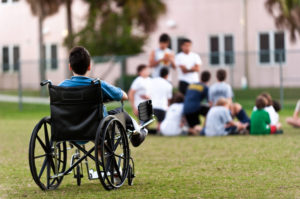 Bullying based on stigma or discrimination can be especially harmful. Bullies may target a child for their weight, religion, disability, or other traits. Â A Developmental Review study says anti-bullying programs are unevenly distributed among sociological categories. The authors say more research on interventions might reduce bullying among specific groups.
Preventing Stigma-Based Bullying
The study screened 8,240 articles published between 2000 and 2015. It included 22 studies addressing 21 different interventions for discriminatory bullying. The study found the number of stigma-based bullying interventions has increased with time. Between 2000 and 2007, only six such programs appeared in peer-reviewed journals. Between 2008 and 2015, researchers published 16 interventions.
[fat_widget_child_counselor_right]
This data suggests investigators are taking the problem more seriously. However, the study found an uneven distribution of programs. Over the last 15 years, programs addressing LGBTQ+ issues have grown more common. Yet the study’s authors located only two programs that directly addressed racism.
Bystander intervention and other generalized anti-bullying approaches have proven successful. Yet programs that target stereotypes might be necessary to fight discriminatory bullying. According to the study authors, they may also help prevent gun violence at schools. Many school shooters have a history of gender-based harassment and/or racial prejudice. Addressing discrimination early on may prevent behaviors from escalating.
Bullying and Mental Health
While some adults treat bullying as a rite of passage, research points to the long-lasting damage the experience can cause. A 2015 study found bullied children were more likely to experience anxiety and depression than survivors of childhood abuse. Research published in 2014 suggests the effects of bullying may extend into adulthood.
According to the Centers for Disease Control and Prevention (CDC), kids who bully are more likely to have:
- harsh parenting
- poor impulse control
- an acceptance of violence
Bullying prevalence estimates vary. The 2015 Youth Behavior Risk Survey found 20% of high schoolers were bullied at school during the previous year. In the same survey, 16% of students said they had been cyberbullied.
References:
- Bullying based on stigma has especially damaging effects. (2018, March 8). ScienceDaily. Retrieved from https://www.sciencedaily.com/releases/2018/03/180308105144.htm
- Earnshaw, V. A., Reisner, S. L., Menino, D. D., Poteat, V. P., Bogart, L. M., Barnes, T. N., & Schuster, M. A. (2018). Stigma-based bullying interventions: A systematic review. Developmental Review. Retrieved from https://www.sciencedirect.com/science/article/pii/S0273229717300138?via%3Dihub
- Prevent bullying. (2017, October 10). Retrieved from https://www.cdc.gov/features/prevent-bullying/index.html
 Complex posttraumatic stress, known as C-PTSD for short, is the result of prolonged series of traumatic experiences at the hands of someone the victim has a personal relationship with. The most common cause of C-PTSD is child abuse by a parent, stepparent, or other primary caregiver. However, it can result from a range of situations, including abusive relationships, abusive forms of imprisonment, and exploitative prostitution. C-PTSD has similar symptoms to posttraumatic stress (PTSD), but these are entwined with negative self-image, inability to control emotions, and certain personality disturbances.
The Rise of Cultural Competency
One of the most interesting aspects of working in the field of C-PTSD is the interface between cultural competency and complex trauma. Cultural competency has been a major trend within the mental health profession and, indeed, the health care field as a whole. The trend started as response to a number of studies in the 1970s which demonstrated that members of minority and marginalized communities were both less likely to seek out therapy for mental health issues and less likely to have successful treatment outcomes if they did so. While it had been naively thought that psychological research had revealed the nature of the universal human mind, experience demonstrated that many of its conclusions were highly culture contingent. What worked with people raised and acculturated in a Western cultural milieu did not always work with people from different cultural traditions.
[fat_widget_right]
In response to growing awareness of this deficiency, the mental health care industry began promoting cultural competency initiatives designed to educate therapists in the cultures and mores of different minority groups. For example, learning about the differences between honor-shame societies and guilt societies allowed therapists to more effectively help people of Asian origin deal with anxiety and depression. With the expansion of culturally competent mental health services, many people gained access to effective psychotherapy for the first time and we came closer to the goal of a mental health system that serves all Americans.
However, there were two problems with the first wave of cultural competency activism, one logistical and the other more profound. The first is that the sheer diversity of human culture and the internal complexity of each branch of civilization makes it impossible for any one individual to become truly competent in all but a tiny fraction of them. True familiarity with even one culture is the work of years, even a lifetime. In short, training psychologists to achieve cultural competency in all the cultures present in a diverse country like 21st century America, then distributing them everywhere they are needed, is an impossibly complicated—not to mention expensive—task.
In practice, cultural competence training combines elements of both approaches: imparting a basic level of specific knowledge about cultural traditions that a given psychologist is likely to come across in their work so as to avoid likely pitfalls and, at the same time, cultivating a general attitude of flexibility and willingness to explore.
The second problem is that the first-wave approach to cultural competence is based on an artificial model of the world as divided into discrete, self-contained cultural units. This is an oversimplification for two reasons. First, cultural units are, in reality, composed of different subcultures. One may learn, for example, about “Chinese culture,†but there are profound differences between the culture of people from the Dongbei or Huanan regions. Similarly, the rhythms of life in Georgia and Montana are substantially different even for people who share the same ethnicity, religion, or politics. Within these subcultures, too, there are substantially different “sub-subcultures†all the way down to the level of a local town or even family. Decisions about where to draw the line between one “culture†and another are often based on arbitrary or political considerations rather than objective criteria.
Secondly, the static culture model ignores the reality of cross-cultural fertilization and the ability of individuals to cross cultural boundaries. Cultures are not static entities but dynamic, constantly evolving, compound forms, which develop precisely because individuals are able to transcend their cultural origins and incorporate new elements from others or of their own invention. Putting these two considerations together forces us to reimagine our concept of culture as a sort of spectrum, making the task of cultural competence as infinitely complex as the human experience itself.
In response to both practical and philosophical objections to the static model of cultural competence, a new approach known as cultural flexibility was developed. Instead of emphasizing specific forms of knowledge about specific cultures, the emphasis came to be placed more on openness and awareness about questioning assumptions. Instead of being a barrier to communication, with the right attitude and approach, cultural differences can be used as a tool to help the development of an effective therapeutic relationship between therapist and person in therapy. In practice, cultural competence training combines elements of both approaches: imparting a basic level of specific knowledge about cultural traditions that a given psychologist is likely to come across in their work so as to avoid likely pitfalls and, at the same time, cultivating a general attitude of flexibility and willingness to explore.
Cultural Competence and Complex Trauma
One of the most difficult and fascinating areas within the field of culturally competent psychology is the issue of trauma—and complex trauma in particular. While there are many things that are so horrific that virtually anyone would be traumatized by experiencing them, it is clear there is a great deal of cultural variation in what is considered traumatic around the world, as well as how this trauma affects people. To take a superficially extreme example, among the Mursi people of Ethiopia, about a year before marriage, which often takes place as young as 15, a young woman will have an incision of about half an inch made in her lower lip, usually by her own mother (and, of course, without anesthetic). A wooden chip will then be inserted into this incision, which is replaced with successively larger objects until, finally, a clay disk of up 20 centimeters in diameter is inserted in time for the wedding day. It is safe to assume that a typical Western adolescent would find this experience at the very least somewhat traumatic. It is also apparent that, whatever we may think of their views on the relationship between the sexes, the Mursi women are not traumatized by this procedure, or, at least, do not display the typical symptoms of traumatization.
It is of course unlikely that an American psychologist will work with a person sporting a lip plate. If it were to happen, however, it would raise many interesting questions about the nature of childhood trauma. Child abuse exists in every culture and, presumably, the Mursi are no exception, but in dealing with such a case, a therapist would have to be extraordinarily careful not to project their own culturally modulated impression of what constitutes a traumatic experience. Complex trauma represents one of the most delicate and sensitive areas for cultural competence training, and more research is needed to guide best practices regarding the universality and cultural subjectivity of potentially traumatic experiences.
References:
- Berman S. L. (2016). Identity and trauma. Journal of Traumatic Stress Disorders and Treatment 5:2. doi:10.4172/2324-8947.1000e10
- McFarlane, A. C. (2010). The long-term costs of traumatic stress: Intertwined physical and psychological consequences. World Psychiatry, 9(1), 3–10.
- Tummala-Narra, P. (2014). Cultural identity in the context of trauma and immigration from a psychoanalytic perspective. Psychoanalytic Psychology, 31(3), 396-409. Retrieved from http://dx.doi.org/10.1037/a0036539
- Wilson J. P. (2007). Cross-Cultural Assessment of Psychological Trauma. New York: Springer.
 I was recently talking to a colleague about the topic of therapist self-disclosure and when it’s appropriate to reveal versus withhold certain details regarding personal information. My colleague referenced the term “broaching,†saying, “There is a difference between self-disclosure and broaching.†This piqued my curiosity, as I was unfamiliar with the term.
She explained how broaching is a vital and culturally competent tool and went on to give the following examples: Telling a person in therapy I am from the East Coast and not the South, thus there may be references to Southern culture I am not familiar with; pointing out I was born in the United States, therefore conveying I may not have a full understanding of the experience of someone who immigrated from China; or asking a black individual what it is like to work with me, a white therapist.
[fat_widget_right]
As she listed these examples, I was happy to realize this was a concept I was actually very familiar with and trained in. Despite not previously being aware there was a term for it, broaching is something I’ve found to be incredibly important in my work.
Broaching, as defined by Day-Vines (2007), “is more than consideration or acknowledgement of racial and cultural factors; it refers to the counselor’s explicit efforts to both initiate and respond to the sociocultural and sociopolitical concerns during treatment.â€
Broaching involves the therapist mentioning their awareness of race, ethnicity, culture, and other obvious differences as a way to build rapport, invite open communication about diversity, and let people in therapy know that nothing is off the table. By broaching otherwise overlooked or unmentioned subjects, therapists demonstrate there is value in talking about all perspectives and aspects of various experiences and issues.
While I had excellent training in multiculturalism during my graduate program, I didn’t fully appreciate the importance and positive impact of broaching until I utilized the technique with someone during my internship. While working with a young African woman, I listened as she expressed frustration with an experience in trying to buy a car. She described how she felt taken advantage of by the salesman due to being young and female.
If you are a therapist who finds it difficult to use broaching or one who lacks strong training in multicultural issues, consider getting training in this area. If you are an individual in therapy and have found yourself holding back about important aspects of your life due to fear your therapist will be offended or unable to understand, take a chance and go there.
At one point in the conversation, I nodded in agreement and said, “And there may have been some racism going on, too!†Her eyes lit up and she exclaimed, “Thank you for saying that! Yes! I didn’t want to mention that because I was afraid of offending you or that you wouldn’t understand.â€
This led to an important conversation about how I may be able to relate to some aspects of her experiences, but I could never truly understand it fully, especially in regard to what it is like to be an immigrant or a woman of color in our society. I invited her to always feel comfortable bringing up issues of race and our differences, and I acknowledged the reality that things like racism and prejudice are a huge part of her existence and worth talking about. It was incredibly powerful and eye-opening to see how broaching strengthened our relationship and allowed this individual to permit herself to go deeper in her work by sharing every aspect of her various experiences.
Mentioning differences and pointing out the “elephant in the room†makes uncomfortable, awkward, or taboo topics less of an issue, barrier, or obstacle in treatment. It is vital that therapists consider how cultural factors play a role in the experiences of people seeking help. While it can feel awkward to do so, it is the job of therapists to open the door for the people we work with to feel safe and comfortable enough to talk about the important aspects of their world. When done in a genuine, appropriate, and respectful way, initiating these conversations can help individuals to feel more comfortable and can lead to some rewarding interactions that further the treatment.
Broaching has the power to help individuals to feel safer, more respected, better understood, and more empowered. People tend to feel more comfortable with people similar to them, believing they will be better able to relate and understand; however, more important than sharing the same traits is the therapist’s attitude toward recognizing and acknowledging similarities and differences in things like age, generation, race, ethnicity, culture, gender, sexual orientation, disabilities, and socioeconomic status.
If you are a therapist who finds it difficult to use broaching or one who lacks strong training in multicultural issues, consider getting training in this area. If you are an individual in therapy and have found yourself holding back about important aspects of your life due to fear your therapist will be offended or unable to understand, take a chance and go there. You deserve a space where you can be authentic and 100% transparent about your experiences. If your therapist does not demonstrate an ability to handle broaching, it may be worth finding a provider who is a better fit.
Reference:
Day-Vines, N.L., et al. (2007). Broaching the subjects of race, ethnicity, and culture during the counseling process. Journal of Counseling & Development, 85, 401-409.
 In the wake of terror attacks and acts of violence around the world—such as the white supremacy demonstrations in Charlottesville, Virginia, that led a man to plough a vehicle into a crowd of counter-protesters, killing a woman—many parents may be unsure how to talk to their children about the news.
The American Academy of Pediatrics offers parents several tips. The discussion, the organization says, should begin by asking children what they already know. Parents should offer encouragement and reassurance, maintain a consistent routine, and shield young children from graphic images of violence. They should also monitor children for signs of depression and trauma, such as sleep, behavioral issues, and changes in eating habits.
Many want to talk with their children about race in a way that raises a child’s consciousness without being frightening. Most experts emphasize the need to be honest in an age-appropriate way. Parents must also explore their own feelings about race and racism before attempting to educate their children. Like other challenging conversations, ignoring the issue won’t make it go away. Rather than having one conversation, parents should begin as early as possible, have frequent discussions, and maintain open lines of communication.
The Psychology of the Eclipse: ‘You Just Feel Connected With Everybody’
[fat_widget_right]As excitement about Monday’s solar eclipse increases, some mental health experts say the eclipse can foster a connection. Experiencing something out of the ordinary can break down the usual barriers to connection, fostering a sense of unity and closeness—even with strangers.
Some Companies Want You to Take a Mental Health Day
A mental health day can be as important for good health and job satisfaction as sick leave. Yet, many workers are reluctant to tell their managers they need one. Some companies now encourage employees to take mental health days, citing increases in productivity and job satisfaction among employees with good mental health.
What’s Worse Than Being Unemployed? A Bad Job, Say Researchers
Many workers think long-term unemployment is the most stressful job experience they can have. According to new research, however, staying in a bad job might be worse. Researchers followed people who were unemployed during 2009 and 2010. Those who took “poor quality work†had higher stress levels than those who remained jobless.
Rand Study Recommends Improvements to Mental Health Care for Service Members
A new Rand Corporation study suggests lack of access to quality mental health care remains an issue for current and former soldiers. The study, which surveyed 520 providers, found less than half were able to see people with depression or posttraumatic stress (PTSD) weekly. Instead, they saw these people biweekly or less. This suggests soldiers may not get the consistent care they need to see improvements in mental health.
How White Supremacists Use Victimhood to Recruit
Research on white supremacist groups suggest their members see themselves—not the minority groups they target—as the real victims. They believe white people are the real targets for systemic oppression. In other words, they are prevented from expressing their “white pride,†their victimization erodes self-esteem, and the ongoing victimization of white groups is part of a plan to eliminate the white “race.â€
Now, Manage Your Mental Health and Chronic Conditions With an App
A new smartphone app promises to help middle-age and older adults manage their physical and mental health. The app, which is designed to meet the average technical abilities of older adults, involves three months of training in 10 sessions. The sessions cover health topics such as stress, medication and substance abuse, and the role of mental health in physical health.
Dear GoodTherapy.org,
I recently attended a family reunion (full disclosure: this was in the deep south) and was horrified to discover how closed-minded and bigoted my parents have become. My family has always been relatively conservative, but this last trip showed their true colors and ignorance. They made blatantly racist remarks, said awful things about LGBT people, and proclaimed their intent to vote against extended rights for minorities.
I was appalled, to say the least, and too shocked to speak articulately on the matter at the time. It’s 2016, and yet I felt I’d entered a time machine and been transported back to 1916!
[fat_widget_right]
Now that the event has passed, I’m still troubled by their elitism and hatred, and I’m left wondering if there’s anything I can do. They live in an echo chamber of their own beliefs—meaning I know their community and friends just reflect their “values.” So I’m not very optimistic about being able to open their minds, let alone change their thought patterns and attitudes. Is it possible? Should I try regardless? In some ways I feel like I’m trying to single-handedly cure people who are addicted, so ingrained are their habits and backward ideals. I wish there were interventions for racism. —In Fairness
Submit Your Own Question to a Therapist
Dear Fairness,
Thank you for reaching out and opening this often-challenging discussion. Family can be both interesting and complicated, and when we add in hot topic discussions they become even more so.
While I deeply appreciate your desire to affect change in your family, attempting to change a deeply ingrained belief system is very challenging. As you noted, these particular family members are in an environment where those who share those beliefs surround them. When that is the case, it is extremely difficult for anything other than those beliefs to stand. In fact, there is a theory called “confirmation bias†that shows people tend to look for and interpret information in a way that supports their beliefs; anything coming their way that contradicts that may not matter.
The only thing we really have power over is ourselves. While we may attempt to impact the world and those around us, we are responsible only for our own actions. Really, no matter how hard you try, you are not responsible for “curing†them or changing their minds, thought patterns, or beliefs. The best you can do is to offer the information to them; what they do with it is in their hands. If you try to take on the burden of changing your family system, you are assuming responsibility for something that is not yours—and that is an unrealistic burden to carry.
There is a saying that being a helper is like being a lighthouse—the lighthouse just stands and shines and doesn’t go chasing boats to save. I suggest you be a lighthouse in your family and shine with justice, kindness, love, and acceptance for all people.
My suggestion is to offer the information to your family without the expectation that they can integrate it, accept it, or that it will change their beliefs. You can be a beacon of light in your family of acceptance and more progressive values, but also know that openly stating your beliefs may put you at odds with your family. You may face criticism and ridicule for stating your beliefs. Only you can determine if that’s something you’re willing to deal with in order to be a force of change. There is a chance your efforts will yield nothing, but there is a chance that others may be impacted. The trick is being able to go forward without expectations and without feeling as though changing your family is your job.
There is a saying that being a helper is like being a lighthouse—the lighthouse just stands and shines and doesn’t go chasing boats to save. I suggest you be a lighthouse in your family and shine with justice, kindness, love, and acceptance for all people. As you do so, your very presence may illuminate the dark places. When you hear your family members saying things that are racist, bigoted, or something along those lines, find ways to gently confront it. One way to call it out is when someone makes a racist, sexist, or bigoted joke, say, “I don’t get it. Can you please explain?†That way, they are forced to explicitly explain the “humor†behind the “joke,†revealing the issue. When you adopt this stance, you are not being confrontational while still illuminating the issue.
Most of all, be gentle with them and yourself. These types of thought patterns go way back and can be hard to change. While it is always worthwhile to challenge the status quo, also consider some ways in which you can make a difference for future generations. Maybe you can’t change old ways in your family, but you can work to impact how the newer generation sees the world. I’d like to commend you for your awareness and for your willingness to serve as an ally. We need more allies in this world, and your efforts are noticed and appreciated.
Sincerely,
Lisa
 In times like these, when intolerance is everywhere you look—from political campaigns to schoolyard bullying to routine traffic stops—you might feel the way so many of the people I work with in therapy do: helpless. It can seem as if nothing you do makes much of a difference. Fortunately, there is a way to create real, lasting change, and that’s by teaching our children the ideal way to treat others. It’s the very definition of thinking globally but acting locally: increasing tolerance in the world starts at home.
It’s fair to assume most parents want to raise the kid who welcomes all friends, is kind to others regardless of skin color or religious beliefs, and is unafraid of differences. But with children receiving radically different messages every day (at school, on social media, and in the news), families must be proactive in being the most influential messengers in their lives. By raising children who are aware and accepting of differences, we can help ensure that their lives will be better—more peaceful childhoods, more successful careers—and increase the likelihood the world changes for the better along with them.
Here are seven simple strategies for encouraging acceptance and open-mindedness in your family:
[fat_widget_right]
1. Start as Early as Possible
For a long time, it was assumed we were born with the tendency to judge others. After all, our brains function by recognizing patterns (“t†and “o†make the word “toâ€) and categorizing information (“apple†and “orange†are both “fruitâ€). And some studies seemed to indicate that part of our brain (the amygdala, which registers emotions such as fear) lit up when we saw faces of different colors, indicating a subconscious detection of threat. The assumption that prejudice and racism are innate made it tough to figure out how to fight these insidious issues.
More recently, these findings have been largely debunked. And some new research goes even further, indicating that young kids are uniquely unprejudiced. One study carried out on children showed that the amygdala wasn’t activated until the age of 14. In other words, there’s reason to believe that if we model acceptance early and often, kids will pick it up easily and persuasively. So don’t wait to talk to your kids until you think they can fully understand—the conversation can start with simple concepts and progress to more complex ideas over time.
2. Check Your Own Attitude
The first step to transforming your children’s outlook is to look at your own point of view. After all, children learn by mimicking. Babies watch our faces carefully to pick up social cues. They smile when we do to get a positive reaction from caregivers. Toddlers study how others handle objects so they can manipulate a spoon or a television remote. And older children hear how their parents talk about others, and imitate language used at home.
Whenever you feel your anger rising or see it in your kids, stop and ask what the other people in the scenario might be experiencing. Could that driver who just cut you off in traffic be rushing home to a sick child? Might the man yelling at the drugstore employee have been fired recently? Could the bully at school have learned violence at home?
Because the ways we talk about people, stereotype, or express fear are noticed by our children, we have to be careful about our own, perhaps unacknowledged, prejudices. If we sprinkle a more compassionate viewpoint into the way we talk and act, our kids are more likely to take on this softer point of view.
In my practice, I’ve repeatedly seen the power of compassion. When people are angry or hurt, they tend to focus solely on themselves and how they’ve been wronged. Kids, especially young ones, are already primed to concentrate on their own feelings when they’re mad or sad. By asking them to put the focus on the other person, and by being empathetic to what the other party is going through, their eyes are opened. And sometimes, their anger just melts away.
You can apply this in everyday living. Whenever you feel your anger rising or see it in your kids, stop and ask what the other people in the scenario might be experiencing. Could that driver who just cut you off in traffic be rushing home to a sick child? Might the man yelling at the drugstore employee have been fired recently? Could the bully at school have learned violence at home?
These interpretations make us more understanding and less judgmental. By aiming a more considered response at the issue, we teach an antidote to thoughtless anger and hatred.
3. Eschew the Easy Answer
It’s simple, and in a way natural, to jump to conclusions about people or lump them into categories. A girl is wearing a too-short skirt in high school? Bad morals handed down from bad parents. A group of boys are wearing hoodies? They’re in a gang.
But racial and social issues are multi-determined, meaning there are a variety of factors leading up to any one outcome. To help your child learn how to think through an issue in a complex way, look for all sides to the story by asking them a lot of questions. Start with small, local problems: What might the girl in the skirt believe about sexuality? What does her culture teach her? How did the media affect her clothing choices? Then, as their thinking becomes more mature, move on to global issues, such as immigration. Some sample questions: What might it be like to grow up in a state where religious mores are the law? How would it feel to be forced from your country, and how might you feel about the people in your new residence?
4. Use Respectful Language
If you want your child to truly believe that all people are equal, you have to walk the walk. Monitor how you respond to others and describe them. Is it possible that, sometimes without realizing it, you make a derogatory comment when someone is dressed in a way you find threatening? That you might respond to your child’s story about an annoying classmate by calling the kid “a jerk†or “stupid�
Often, we feel more justified in making fun of our own community. I hear many families poke fun at their own customs or complain about older family members’ conventions. But this criticism can sound more insulting than you realize, unintentionally passing down an attitude to your kids that it’s okay to criticize other people’s beliefs or judge their way of life.
5. Allow for Multicultural Education
It’s becoming more common for schools to tackle themes of cultural variation and to celebrate differences. Knowing more about other people’s rituals and beliefs makes them less foreign and less scary. And seeing teachers value traditions other than their own sends a powerful message to kids about how to be respectful, open-minded, and accepting.
If your child’s school hasn’t already started a program or class in multiculturalism, consider bringing up the idea. Festivals, clubs, or after-school programs are some smaller venues for getting kids involved and starting conversations around tolerance.
6. Talk Through Tragedy
Sadly, kids are being exposed to more and more violence and stories of discrimination. This also means there are many opportunities to talk through difficult issues. Although many parents are afraid of traumatizing kids by bringing up seemingly adult problems, the truth is kids are usually aware of the problems already and are often more capable of thinking about solutions than we give them credit for.
Go for honesty whenever possible, but go easy on the details, especially to young kids. Check in with them again later to see if any of the issues raised have caused them concerns or fears, or if they’ve heard anything scary from others. Don’t do all the talking; listen to their concerns, and ask if they have any ideas about how to help.
It’s okay to admit you don’t have the answers. Just sitting and experiencing sadness together can be healing in itself.
7. Get Involved
One big roadblock to compassion is the fatigue that sets in when we feel like we can’t possibly make a difference. When we take action, even in small ways, it’s an opportunity for kids to feel more involved and positive. Consider actions you can take with your kids that will help empower them, such as raising money, sending letters, or joining local meetings.
Another tip is to avoid segregating your children. Many parents hope to protect and shelter their kids by limiting their exposure to outside influences. The truth is, the more experiences they have and the more communities they join, the better able they may be to cope with the complexities of the world. Kids who go from private school to country club to family vacation, with no chance to branch outside of their community, may naturally be limited in their abilities to be flexible and open-minded. Volunteering in a different community, traveling, and joining clubs outside of their neighborhood are good ways to open their eyes.
Try one or more of the above suggestions at home. You may be surprised at how hopeful and proactive it feels to tackle this issue head-on. If you feel like you need more ideas, it can be helpful to work with a therapist or educator who specializes in working with children. Together, we can transform a moment that feels unrelentingly negative into something positive.
References:
- Leu, C. (2015).  Innate or Learned Prejudice? Turns Out Even the Blind Aren’t Color Blind on Race. California Magazine. Retrieved from http://alumni.berkeley.edu/california-magazine/fall-2015-questions-race/innate-or-learned-prejudice-turns-out-even-blind-arent
- Northwestern University: Hugenberg, K., & Bodenhausen, G. V. (2003). Facing Prejudice: Implicit Prejudice and the Perception of Facial Threat. Psychological Science. Retrieved from http://faculty.wcas.northwestern.edu/bodenhausen/PS03.pdf
- Wright, Robert. (2012, October 17). New Evidence That Racism Isn’t “Natural”. Retrieved from http://www.theatlantic.com/health/archive/2012/10/new-evidence-that-racism-isnt-natural/263785/
 Many Spanish-speaking Latinos are surprised to find a non-Latino therapist who is fluent in Spanish. In my own practice, I have often been asked questions such as “What country are you from?†or “Where did you learn Spanish?†Self-disclosure regarding my experiences traveling and living in Latin America often creates a bond between myself and the Latinos with whom I work, especially those who have recently immigrated. Many express joy at encountering a therapist with first-hand experience of the customs and cultures of their native countries. As a culturally competent therapist, I place value on recognizing the role of distinct cultural norms while working with Latinos and creating a genuine therapeutic alliance based on mutual interpersonal respect and trust. Colloquially, this emphasis on relationships is also known as personalismo.
I have worked and studied in several Latin American countries, and in each case the importance of personalismo was made clear to me by the families with whom I lived. When interviewing family members of those who disappeared during Augusto Pinochet’s dictatorship of Chile, I quickly realized that before I could have even a perfunctory discussion about the lasting impact of the regime, I had to gain my host family’s trust through a period of formal friendliness. From my first day, I engaged in small talk with my host family and was asked a variety of questions regarding my life in the United States: Who did I live with? What did I study? What did I do for fun? I also showed appreciation to my host family in Chile by giving them a small gift of T-shirts from the United States. As a therapist, I follow a similar approach while working with Latinos.
How to Use Personalismo in Therapy
[fat_widget_right]Accepting small gifts may seem to fall outside the purview of expected ethical behavior for therapists, who are often discouraged from accepting gifts or disclosing personal information on the grounds that it violates professional boundaries. A therapeutic relationship is professional, not personal, and any action that is perceived to take attention away from the needs of the person receiving the service is usually frowned upon. Therefore, breaching these norms while working with Latinos should always be done with the person in therapy’s best interest in mind.
While working with Latinos in my practice, I have found that accepting small gifts and advice as a form of appreciation for my services helps build reciprocity into the therapeutic relationship. It is not uncommon for me to receive, from a Latino person under my care, a small gift of herbal tea or a recommendation of a place to buy the best ingredients for a specific dish. Some recent research also encourages this practice as a form of exhibiting multicultural competency (Machucha, 2014). When a therapist discloses appreciation for a small gift or accepts advice about the best remedy for the common cold, the therapist may be contributing to the therapeutic alliance with a person who is Latino.
When honoring the cultural value of personalismo, physical touch may be appropriate in certain cases. For example, some people may respond positively to a hand shake, and—when clinically appropriate—even a hug (Clance, 1998). Of course, it is always important to ask before engaging in any form of physical touch. As a therapist, I have often found it useful to welcome a person during the first session with a handshake, to hug an individual who is crying, or even to offer a brief pat on the back. As part of my understanding of personalismo, such gestures may be expected by some of the Latino individuals I work with.
Regarding personalismo, the use of self-disclosure may also vary depending on the age of the person in therapy. I have found that a high school student may respond well to a therapist who can identify with the challenges of balancing greater high school freedom with more traditional values at home. Similarly, a senior citizen may respond well to a therapist who emphasizes the importance of taking care of one’s elders. Some Latinos I have worked with comment that they are also sometimes expected to show respect and reverence for parents or grandparents by taking care of an elderly grandparent at home.
How Not To Use Personalismo in Therapy
An ethical therapist is expected to give undivided attention to the person in treatment. Dual relationships, in which the therapist and person in therapy enter into a relationship outside of therapy, not only have the potential to blur professional boundaries but may also become exploitative. Those who seek therapy services must be certain that their emotional and personal needs are the exclusive interest of the therapist. The outside expectations inherent in a friendship or business relationship may violate the nature of the therapeutic relationship. Examples of behaviors Self-disclosure, if not done in the interest of the person in therapy, also exemplifies how the value of personalismo can be misunderstood and inappropriately implemented. Disclosure that promotes the therapist’s own agenda or status is never useful, and it can be especially damaging when it appears disrespectful of a person’s cultural norms and values.associated with dual relationships might include:
- A therapist asking a person in therapy to meet for coffee
- A therapist asking a person in therapy to do work for the therapist
- A therapist accepting an invitation to attend the birthday or holiday party of a person in therapy
Even if the person in therapy is the one who offers a gift or service, many would argue that to accept would be starting down a slippery slope of encouraging a nonprofessional relationship (Zur, 2011). A therapist must always be mindful of the power dynamics in the therapeutic relationship, even while stepping away from the traditional therapeutic role when practicing personalismo. The power dynamics in the therapeutic relationship may cause some to question the appropriateness of touch, gift giving, and advice. Therapists are viewed as authority figures within some Latino cultures (Perez-Stable, 2001). As such, a therapist carries power to influence the person in therapy to meet the therapist’s needs for personal validation or affection, even when these practices seem clinically appropriate and are requested by the person in therapy. Also, the therapist should be aware that the person in therapy may be attempting to win the trust and favor of the therapist through gifts and advice.
Self-disclosure, if not done in the interest of the person in therapy, also exemplifies how the value of personalismo can be misunderstood and inappropriately implemented. Disclosure that promotes the therapist’s own agenda or status is never useful, and it can be especially damaging when it appears disrespectful of a person’s cultural norms and values. Some examples include the therapist speaking to an adolescent or the adolescent’s parents about the personal freedoms the therapist enjoyed while growing up, quickly providing a diagnosis that may seem stigmatizing, or mentioning personal opinions on sensitive subjects such as politics and religion.
Awareness of the value of personalsimo may help preserve and sometimes bolster the therapeutic alliance, but it is important to keep in mind that each person also brings a unique set of needs to therapy. Therapists working with Latinos from a variety of cultural backgrounds should be prepared to have their own conceptions about self-disclosure challenged.
I remember my own experiences working with a young mother and her daughter who had been living in a homeless shelter. They gave me a small short-sleeved shirt at the conclusion of our therapeutic relationship. I was honored to receive the gift, and when asked how it fit me, I told them that the shirt was perfect and that I would be wearing it on the first day of my new job. My awareness of personalismo guided my response in this situation, even if it was outside of traditional expectations and boundaries in the therapeutic relationship. There may be no one way to interpret or implement personalismo, but awareness of its value in everyday psychotherapy with people who are Latino is a wonderful first step.
References:
- Avieria, A. (2015). Culturally sensitive and creative therapy with latino clients. American Psychological Association , 1-2.
- Carteret, M. (2011). Cultural values of latino patients and families. Dimensions of Culture: Cross-Cultural Communication for Healthcare Professionals. Retrieved from http://www.dimensionsofculture.com/2011/03/cultural-values-of-latino-patients-and-families/
- Clance, P. A. (1998 ). Therapists’ recall of their decision making process regarding the use of touch in ongoing psychotherapy. Touch in Psychotherapy: Theory, Research, and Practice (pp. 92-105). New York, NY: Guillford Press.
- Machucha, R. (2014). Boundary issues in counseling latino clients. Boundary Issues in Counseling: Multiple Roles and Responsibilities (pp. 100-103). Alexandria, VA : Wiley.
- Perez-Stable, E. M.-S. (2001). Physical health status of latinos. The Latino Psychiatric Patient: Assessment and Treatment (pp. 29-31). Washington D.C.: American Psychiatric Publishing, Inc.
- Zur, O. (2011). Gifts in psychotherapy. Zur Institute: Innovative Resoures & Online Continuing Education. Retrieved from http://www.zurinstitute.co/giftsintherapy.html                                                                               Â