 Anxiety is a mental health condition, so it may seem logical to assume it primarily involves mental or emotional symptoms, not physical ones. But anxiety often also involves somatic symptoms, or symptoms felt in the body. In fact, some people may experience more physical symptoms than emotional ones.
Anyone who’s ever felt nervous can likely name many common physical symptoms, including:
- Shaking or trembling
- Flushed skin
- Increased sweating
- Nausea
- Pounding heart
But people living with chronic anxiety issues, including panic, phobias, general anxiety, or social anxiety, may experience more persistent symptoms, even when they don’t have any reason to feel nervous.
These symptoms can resemble those of serious health conditions, and some people may not recognize the nature of their distress. They may worry instead they have heart trouble, chronic migraines, or other health issues. Accordingly, these physical symptoms may not only cause immediate distress, they also often contribute to long-term confusion and stress around the true cause of symptoms.
Learning more about anxiety’s physical effects on the body can help make anxiety more recognizable to people dealing with physical symptoms.
Learning more about anxiety’s physical effects on the body can help make anxiety more recognizable to people dealing with physical symptoms.
Seven Physical Symptoms of Anxiety
Anxiety can cause plenty of physical complaints, so people living with anxiety could notice the following physical signs, in addition to mental health symptoms.
1. Anxiety and dizziness
Dizziness often arises as a symptom of anxiety. You might feel:
- Lightheaded
- Off-balance, particularly in crowded areas or open spaces
- As if you’re spinning or swaying from side to side
The relationship between anxiety and dizziness can go both ways, creating a feedback loop. People who worry about losing their balance, falling, or losing control in a public place may become anxious whenever they feel dizzy, and one symptom may worsen the other.
Research from the Academy of Neurologic Physical Therapy suggests this happens when the vestibular system, which helps regulate sensations of movement in your environment and the position of your body, interacts with the limbic system, which helps regulate emotional experiences.
These fears can lead many to cope by avoiding activities likely to cause one or both symptoms, including physical activity or experiences likely to provoke anxiety or stress. This can have a negative impact on quality of life over time.
2. Anxiety and chest pain
Chest pain is one anxiety symptom that often causes alarm, especially when pain accompanies a rapid increase in heart rate and shortness of breath. These symptoms, of course, can also suggest a heart attack, so many people who experience chest pain worry their symptoms are life-threatening. When seeking emergency medical care, they may feel frustrated and distressed when there’s no medical explanation for their pain and heart palpitations.
But according to one study of 151 patients reporting chest pain, 59 percent had symptoms of anxiety. Research from 2006 supports the finding that people who seek emergency care for chest pain often have anxiety rather than a cardiac condition. Panic attacks, in particular, may share many similarities with an oncoming heart attack.
Someone having a heart attack, however, will most likely experience a squeezing pain that may radiate toward the jaw or left arm. Women often notice pain in their upper back or shoulders.
3. Anxiety and headaches
Experts have linked anxiety to both tension headaches and migraines. Headaches can develop as a symptom of anxiety for many reasons, including the following:
- Sleep disturbances. Insomnia and other sleep issues also commonly occur with anxiety, so many people living with anxiety don’t get enough sleep. Insufficient or disrupted sleep can trigger a migraine.
- Low serotonin. Some research suggests the neurotransmitter serotonin can help regulate emotional health. Low levels of serotonin may contribute to mental health symptoms, including anxiety. A rapid drop in serotonin levels could also narrow your blood vessels, which can lead to headaches.
- General stress. Stress can contribute to anxiety, especially when you feel overwhelmed and aren’t sure how to cope. Both stress and anxiety can cause muscles to tense up repeatedly, and lingering muscle tension often leads to head pain. But stress is also known to trigger migraines.
4. Anxiety and digestive issues
Persistent gastrointestinal distress often occurs as a physical symptom of anxiety. Medical research suggests this happens because of the connection between the brain and the gut. Nerves shared by the gut and the brain can interact with each other and have a negative impact on normal bodily processes.
Most people have experienced stomach “butterflies†or nausea when nervous or worried about something. But people living with chronic anxiety might notice more serious issues, such as:
- Chronic stomach pain or cramping
- Diarrhea or vomiting
- Constipation
- Appetite changes
- Ulcers
- Worsened irritable bowel syndrome (IBS)
Worries about experiencing things like vomiting or diarrhea in public can contribute to increased anxiety and emotional distress. Long-term GI distress can even make it difficult for some people to function as they usually would, which can lead to significant negative consequences for their quality of life.
5. Anxiety and breathing difficulties
Many people experience breathing problems when feeling anxious. Breathing troubles can range from hyperventilation, or very rapid breathing, to sensations of choking or feeling unable to draw a breath.
These symptoms don’t typically persist over time. They generally happen whenever a situation becomes tense or involves some fear or nervousness. Panic attacks often involve choking sensations, and it’s not uncommon to feel as if you can’t breathe. These feelings can be very frightening, and they often worsen anxiety’s emotional symptoms.
6. Anxiety and numbness
Numbness or tingling can also occur as a physical sign of anxiety. People with anxiety tend to experience this sensation, often described as pins and needles, in the hands, arms, legs, or feet.
Experts believe it happens in response to bodily arousal. Anxiety symptoms develop when the body feels threatened. In response to this perceived threat, the body redirects its resources, like blood, away from the extremities and to the more essential organs, such as the heart.
Hyperventilation can also contribute to numbness and tingling. When you hyperventilate, you end up with an excess of oxygen in your blood. This excess of oxygen means the body doesn’t have enough carbon dioxide to maintain typical processes. As a result, blood vessels constrict, and blood doesn’t flow to areas the body considers less essential, like hands and feet. Other symptoms, including head pain, increased heart rate, and dizziness can also happen in response to this lack of carbon dioxide.
7. Anxiety and chronic pain
There’s plenty of scientific evidence supporting the connection between chronic pain and anxiety.
Results of one study from 2013 found that, among 250 people living with chronic pain, 45 percent of them also had symptoms of at least one type of anxiety. The chronic pain patients who also had anxiety tended to experience greater pain and lower quality of life than those who did not have anxiety symptoms.
People with both chronic pain and anxiety often have a lower tolerance for pain and become trapped in a distressing cycle of symptoms.
People constantly in pain may:
- Feel distressed and worried about experiencing more pain
- Avoid activities that could relieve anxiety symptoms because pain makes it difficult to move around.
- Become anxious about their ability to take care of responsibilities due to pain
Long-term chronic pain has also been linked to depression. It’s not uncommon for people living with anxiety and chronic pain to also have symptoms of depression.
Long Term Effects of Anxiety
Anxiety symptoms develop because the body mistakenly believes it’s about to face a serious threat. Physical and emotional symptoms result from bodily changes known as the “fight-or-flight†response. Once the body engages in this mode, hormones enter the bloodstream at higher levels than usual, triggering those well-known symptoms of anxiety.
So, although anxiety serves an important purpose—to prepare the body to face threats in the environment—problems can develop when anxiety sends the body into fight-or-flight mode too often or the body remains in fight-or-flight mode for a long period of time, which can happen when you have trouble coping with anxiety symptoms.
Medical research has found evidence to suggest links between long-term anxiety and the following conditions:
- Heart attack and other cardiovascular issues
- High blood pressure
- Irritable bowel syndrome (IBS)
- Chronic obstructive pulmonary disease and other respiratory issues
To sum up, people with anxiety, especially untreated anxiety, don’t only experience immediate physical and emotional symptoms of anxiety. They may also see a decline in overall health over time.
Can Therapy Help with the Physical Effects of Anxiety?
Just as therapy can help address the emotional impact of anxiety, it can also help people manage physical symptoms. Addressing anxiety causes and triggers will generally lead to improvement of all symptoms, physical or mental.
People who experience physical symptoms of anxiety will typically work with a therapist who helps them identify and address possible causes or triggers of anxiety. Specific types of therapy, including cognitive behavioral therapy (CBT) or exposure therapy, can help people learn to address anxiety in the moment and learn potential methods of reducing anxiety in daily life.
But therapists can also offer guidance on specific ways to address physical symptoms. These might include:
- Breathing exercises to cope with hyperventilation
- Coping skills and lifestyle remedies to manage pain or headaches
- Relaxation techniques to decrease muscle tension and pain
- Tips to better manage stress and help prevent various physical symptoms from developing
Because many physical signs of anxiety do resemble symptoms of serious health conditions, it’s always wise (and highly recommended) to talk to a doctor about any concerning physical symptoms, especially if you have any doubt about what’s causing the symptom.
This is particularly important with chest pain. Since chest pain occurs during heart attacks as well as panic attacks, it’s often best to talk to a medical professional even when you feel certain anxiety has caused the pain. Once they’ve ruled out a heart attack or similar issues, talking to a therapist can be a helpful next step.
Find a compassionate, skilled therapist at GoodTherapy today.
References:
- Anxiety and physical illness. (2018, May 9). Harvard Women’s Health Watch. Retrieved from https://www.health.harvard.edu/staying-healthy/anxiety_and_physical_illness
- Calm your anxious heart. (2019, October 1). Harvard Health Publishing. Retrieved from https://www.health.harvard.edu/heart-health/calm-your-anxious-heart
- Chronic pain. (2016). Anxiety and Depression Association of America. Retrieved from https://adaa.org/understanding-anxiety/related-illnesses/other-related-conditions/chronic-pain
- Chronic pain sufferers likely to have anxiety. (2013, May 8). Health Behavior News Service. Retrieved from https://www.sciencedaily.com/releases/2013/05/130508213112.htm
- Demiryoguran, N. S., Karcioglu, O., Topacoglu, H., Kiyan, S., Ozbay, D., Onur, E., Korkmaz, T., & Demir, O. F. (2006). Anxiety disorder in patients with non-specific chest pain in the emergency setting. Emergency Medicine Journal, 23(2), 99–102. doi: 10.1136/emj.2005.025163
- Goodman, K. (n.d.). How to calm an anxious stomach: The gut-brain connection. Anxiety and Depression Association of America. Retrieved from https://adaa.org/learn-from-us/from-the-experts/blog-posts/consumer/how-calm-anxious-stomach-brain-gut-connection
- Komaroff, A. L. (n.d.). The gut-brain connection. Healthbeat. Retrieved from https://www.health.harvard.edu/diseases-and-conditions/the-gut-brain-connection
- Marksberry, K. (2012, August 10). Take a deep breath. The American Institute of Stress. Retrieved from https://www.stress.org/take-a-deep-breath
- Morris, L. O. (2015). Dizziness related to anxiety and stress. Retrieved from http://neuropt.org/docs/default-source/vsig-english-pt-fact-sheets/anxiety-and-stress-dizziness4ca035a5390366a68a96ff00001fc240.pdf?sfvrsn=80a35343_0
- Peres, M., Mercante, J., Tobo, P. R., Kamei, H., & Bigal, M. E. (2017). Anxiety and depression symptoms and migraine: A symptom-based approach research. The Journal of Headache and Pain, 18(1), 37. doi: 10.1186/s10194-017-0742-1
- Rajagopalan, A., Jinu, K. V., Sailesh, K. S., Mishra, S., Reddy, U. K., & Mukkadan, J. K. (2017). Understanding the links between vestibular and limbic systems regulating emotions. Journal of Natural Science, Biology, and Medicine, 8(1), 11–15. doi: 10.4103/0976-9668.198350
- Raymond, V. (2018, February 23). Is your chest pain a heart attack or anxiety? Right as Rain by UW Medicine. Retrieved from https://rightasrain.uwmedicine.org/well/health/your-chest-pain-heart-attack-or-anxiety
- Schwarz, J., Prashad, A., & Winchester, D. E. (2015). Prevalence and implications of severe anxiety in a prospective cohort of acute chest pain patients. Critical Pathways in Cardiology, 14(1), 44–47. doi: 10.1097/HPC.0000000000000038
- Woo, A. K. (2010). Depression and anxiety in pain. British Journal of Pain, 4(1), 8–12. doi: 10.1177/204946371000400103
- Yoder, W. M. (2018, October 27). Anxiety and numbness—A typical reaction. Calm Clinic. Retrieved from https://www.calmclinic.com/anxiety/symptoms/numbness
- Zaccaro, A., Piarulli, A., Laurino, M., Garbella, E., Menicucci, D., Neri, B., & Gemignani, A. (2018, September 7). How breath-control can change your life: A systematic review on psycho-physiological correlates of slow breathing. Frontiers in Human Neuroscience, 12, 353. doi: 10.3389/fnhum.2018.00353
 Agoraphobia, which involves a fear of leaving the house, driving on freeways or other roads, being in lines or in the open, and similar situations, is a condition that provokes anxiety and panic attacks.
The uniquely debilitating characteristic of agoraphobia is that it is a self-perpetuating condition, often referred to as an “emotional and physical cage.†It effectively prevents the person experiencing it from doing the things that may bring healing—like taking a walk, taking a trip, etc.—because of the severity of the potential panic attacks when the person moves behind the boundaries of comfort.
The physiological symptoms of a panic attack can include the inability to breathe, a feeling of physical paralysis, blurred vision, or dizziness to the point of fainting when the person moves beyond these perceived boundaries.
If you struggle with agoraphobia, what can you do to help yourself overcome it?
[fat_widget_right]
Recovery involves interventions on three fronts: (1) facing the panic, (2) implementing coping skills, and (3) addressing the underlying issues.
Facing the Panic
There is a catch-22 in recovery from agoraphobia: you must learn to endure the panic attacks in order to stop having them. This involves finding a goal that is bigger than your anxieties and that is worth enduring the extreme discomfort, like being able to go to dinner with your family, taking a vacation, etc. Think of this as your motivation to heal yourself. Please be assured that in following these strategies, the attacks are likely to become less frequent and less severe in time, eventually disappearing altogether.
As with any recovery process, it helps to locate yourself within your problems, envision yourself outside of them, and develop step-by-step strategies to make the transition.
To start the recovery process, think of yourself as being trapped inside a barbed-wire enclosure; your freedom resides on the outside of this enclosure. The idea is the barbed wire represents your panic attacks, the emotional and physical cage of your self-perceived “boundaries.†In essence, you need to climb over the barbed-wire fence to freedom—and this requires facing the barbs, or the panic attacks, in order to overcome their power.
Repetition is necessary in order to heal. Every day, it is important to take yourself on a trip to face your panic, endure your panic, and ultimately, overcome your panic.
Another useful metaphor to visualize is to think of yourself as a prisoner creating an escape plan. You will need to develop strategies for escaping your prison. It is like falling down a well and having to crawl back up over the jagged rocks to escape. As a prisoner with an escape plan, you know the journey will be a tough one, full of booby traps and pitfalls, but that your freedom lies beyond.
Please know progress will be slow but steady, and that sometimes you will stretch your boundaries, but sometimes they will feel like they are shrinking around you. But don’t be discouraged—this is all part of the process of healing.
To begin, set a small goal. Think of an activity you would like to try to participate in. An example is taking a trip to the library. If your destination is the library, you will have to endure the panic attack of driving or getting on the bus in order to travel there. However, once you arrive, if it is something you truly wanted to do and enjoy, your panic will likely subside, and you will likely feel better after you return home again.
Repetition is necessary in order to heal. Every day, it is important to take yourself on a trip to face your panic, endure your panic, and ultimately, overcome your panic.
Implementing Coping Skills
Coping skills may help you in the moment. Here are some tried strategies you can implement as the need arises. The point is to distract your mind from the anxiety.
Strategy 1: Counting
- In your mind, count to 11. Then count backward to two. Then count up to 12. Then backward to three, etc.
- Count items of certain things in the room by category; for instance, count everything you see that is orange. You can do this with a variety of categories.
Strategy 2: Locate Patterns
- Write lists or patterns on a piece of paper.
- Fold a piece of paper systematically.
Strategy 3: Accept Your Panic Attacks
- Do not “stoke†your panic by being afraid to have an attack; this will likely only prolong the attack.
- Learn to endure and accept the attacks. As you do this, they may become less severe and frequent.
- Realize “that which you resist, persists.â€
Addressing Underlying Issues
A pivotal quality of agoraphobia to be aware of, one that may help you in your recovery, is the concept the condition provides a type of “reflection†for you. If you can see there are some situations in your life that exacerbate your panic attacks, you can look at these situations as indicators of areas in your life that need to be addressed.
Seeking therapy is highly recommended, but in lieu of or in addition to therapy, it is most important for you to be self-aware of the connections between situations, events, and your panic attacks. These issues can be related to job, family, or other dynamics that might normally produce minor stress symptoms.
As part of the process of becoming self-aware, it is a good idea to keep a journal, one that records not only when you have attacks, but what happened in your life around the time you had the attack. What were you feeling? What feelings or memories did it trigger? As you work through these issues, in addition to progressively enduring your attacks, you may find your freedom once again.
 Six million Americans—almost 3% of the population—have panic disorder, a condition that causes sudden, overwhelming sensations of fear called panic attacks. Studies on twins suggest panic disorder may be partially genetic, and there’s good evidence that panic runs in families. Researchers know little about which, if any, specific genes cause the condition.
New research into a so-called “suffocation alarm,†though, may shed light on panic’s genetic underpinnings. The study, published in Biological Psychiatry, suggests that the shortness of breath so common to panic attacks might be linked to the body’s suffocation prevention mechanism.
Could a Suffocation Alarm Cause Panic Disorder?
Shortness of breath and feelings of suffocation are common among people who have panic attacks. These symptoms are so terrifying that many people who experience a panic attack believe they are dying; panic attacks account for more than 20% of emergency room visits. Previous research into these sensations suggests that breathing in carbon dioxide can trigger panic attacks in people with panic disorder, but not with people who don’t have panic disorder.
Based on that research, this study’s authors theorized that panic attacks might be linked to an excessively sensitive “suffocation alarm†in the brain. Previous research on mice showed that a protein called ASIC1a helps detect carbon dioxide in the brain’s amygdala, an area that’s also linked to feelings of fear. To study the role this protein might play in humans, researchers genotyped variants of the gene in 414 people with panic disorder, then compared them to 846 controls without the disorder. They also used brain imaging and genotyping to evaluate amygdala volume in a second group of 1,048 participants, as well as amygdala function in 100 people. [fat_widget_left]
They found that people with variants of the ASIC1a gene were more likely to have panic disorder. Moreover, people whose panic attacks caused respiratory symptoms such as shortness of breath were much more likely to have the gene. The researchers also found that the ASIC1a gene can affect the size of the amygdala, as well as people’s emotional responses to threats. The effect held even among people who had the gene but who did not have panic disorder.
Avoiding suffocation is one of the many tasks associated with survival. It’s possible, the study’s authors speculate, that fundamental survival mechanisms cause panic attacks. The ASIC1a gene could be a helpful mutation in environments that pose a high risk of suffocation, but a source of panic and distress in people who have the gene and who do not regularly face suffocation dangers.
References:
- Facts & statistics. (n.d.). Retrieved from http://www.adaa.org/about-adaa/press-room/facts-statistics
- New York-Presbyterian/Weill Cornell trial is first to show effectiveness of psychodynamic psychotherapy for panic disorder. (2007, March 13). Retrieved from http://weill.cornell.edu/news/pr/2007/03/newyork-presbyterianweill-cornell-trial-is-first-to-show-effectiveness-of-psychodynamic-psychotherap.html
- The brain’s “suffocation alarm” – new study reports on a genetic clue to fear. (2014, December 3). Retrieved from http://www.medicalnewstoday.com/releases/286343.php
 Robert’s palms were sweating and his heart was pounding. His big presentation was scheduled in less than an hour and he was starting to panic. What if he forgot his lines? What if he made a complete fool out of himself? His job was on the line and his anxiety was building.
Jenny was also apprehensive. She’d been trying to muster the courage to ask her boss for a raise for several weeks now, but every time she thought about doing so, she became too nervous to say anything.
We have all experienced anxiety at one time or another, although some people tend to struggle with nervousness more than others. Some of the common symptoms of anxiety are feelings of fear or panic, repetitive thoughts about the situation, difficulties sleeping, muscle tension, increased heart rate, shortness of breath, restlessness, nausea, and cold or sweaty palms and feet.
Part of our discomfort stems from our fear of being criticized, ridiculed, or rejected. We all have a basic need for love, acceptance, and validation, and tend to avoid situations that will jeopardize our relationships with others in any way. This is especially true if we have grown up in dysfunctional families, where these primary needs were not met and we were taught instead to behave in certain ways to please others and discount our own needs and emotions.
[fat_widget_anxiety_right]
We also frequently tend to play over and over in our minds the worst-case scenario, which only leads us to feel even more anxious about the situation. Rather than visualizing the outcome that we are hoping for, we make ourselves sick with our inner horror stories.
So how do we go about coping with anxiety in a healthier way? The following are some helpful techniques to begin to get our fears under control:
- Take 10 deep breaths, focusing on the sensation of expansion in your chest and abdomen that occurs while inhaling and the release while exhaling.
- Take some time the day before a stressful event to become physically active. Working out or going for a long walk are ways to decrease your stress levels. Doing so will also help you get a better night’s sleep.
- Before bedtime, journal about your feelings of anxiety and the obsessive thoughts you have been having. Putting your emotions down on paper can often get them off your chest and prevent you from ruminating about them throughout the night.
- Whenever you start to imagine the worst-case scenario, try to picture what you would like to happen instead. For example, if you are worried about an upcoming speech that you have to give, imagine remembering your words with ease and receiving a standing ovation afterward.
- Lower your stress levels by doing relaxation techniques and/or listening to calming music. Help your physical body to relax by lying down or getting into a comfortable position, then progressively focus on contracting each of your muscles then releasing them. Start with your toes and feet and slowly work your way up to your face and scalp.
- Try to gain some perspective about your fears by thinking about other times in your life that you may have dealt with a similarly difficult or stressful situation. How did you cope at that time? What are some of the strengths that you used then and can call on again?
- If you are feeling anxious about talking to your boss (or another authority figure) about a specific problem, consider trying to role-play the conversation with a friend or therapist first. Practicing what you will say can help you feel more comfortable when the time comes to actually have that conversation.
- Use mindfulness to tune into the emotions that you are feeling and allow yourself to feel them fully. Much of the time, we avoid the direct experience of our emotions, especially those that are uncomfortable, such as fear and anxiety. This tends to intensify the uncomfortable feelings rather than diminish them. To experience them, try to tune into the actual physical location in your body where the tension or fear is stored. Do you feel a knot in the pit of your stomach? Are your neck and shoulders tensed up? Allow yourself to fully experience the physical sensations and you will often find that they shift as you accept and honor them.
If you have tried some or all of these techniques and are still experiencing a considerable amount of anxiety, you may want to consider working with an empathic therapist. Although a certain amount of anxiety is a normal part of life, when stress becomes overwhelming and starts to interfere with our ability to function on a day-by-day basis, help is likely needed. Working with a compassionate therapist can assist you with facing some of your fears in a safe setting and bring you back in touch with your innate sense of peace and joy.
 Do you often feel anxious or have times of panic? Does your anxiety overwhelm you or interfere with your work, friends, or family? If so, you’re far from alone. According to the National Institute of Mental Health (NIMH), approximately 19 million adults in the United States experience ongoing anxiety. It cuts across all ages, ethnicities, education levels, and socioeconomic levels. Most of us feel it at some point. Anxiety comes in many flavors; it may erupt only in social situations, manifest as an obsession or compulsion, as a specific phobia, or it may be generalized.
Below are signs of two types of anxiety:
- Generalized anxiety symptoms: irritability/restlessness/worrying, muscle tension/fatigue, problems concentrating, sleep difficulties.
- Panic symptoms: racing heart/trembling, fear of losing control or dying, shortness of breath/chest pains, chills/hot flushes (not due to peri- or menopausal phase), dizziness/light-headedness/nausea, numbness/tingling/sweating.
It’s common to feel embarrassed about your anxiety, to feel alone, and to keep it a secret. It’s scary to think of asking for help. You may have been feeling anxious for long enough that it’s hard to remember a time when you didn’t live with it. Your anxiety may feel like an unpleasant but “normal†part of you. You do not have to live with this ongoing pain: You’ll be reassured to know anxiety can be effectively treated.
[fat_widget_anxiety_right]
Anxiety is caused by three overlapping events: a trigger or environmental cue (public speaking or party), mental reactivity (a negative thought/self-talk), and physical reactivity (breathing rapidly, clenching fists, etc.). These form a negative feedback loop, where one begets the other. In order to cope with their anxiety, most people avoid the trigger. Though avoidance helps in the immediate moment, it makes anxiety worse in the long term. Why? Two reasons: 1) It reinforces your belief that you’re helpless to deal with it, and 2) you don’t get positive experiences as basis for further success. Below are some basic strategies to help reverse the direction of the feedback loop, turning the dial from negative to positive:
- Consult your physician for a physical exam, including blood work, to rule out physiological causes—e.g., endocrinological imbalance such as hyperthyroidism.
- You need not suffer alone. Weighed down by anxiety, the burden of trying to deal with it alone makes it worse. Visiting a psychotherapist for guidance is optimal. If you cannot do this, confide in a trusted friend or family member. This will help ease any shame you may feel.
- Examine your thoughts about anxiety-provoking situations, such as going to a party. What are your thoughts and how do they make you feel? “They might not like meâ€; “I won’t know anyoneâ€; “I won’t have anything to say.” Do you notice they’re negative, harsh, or critical? Ask yourself, “If a friend was voicing these doubts, asking for reassurance, what would you say to them?†You’d be encouraging, kind, empathic, positive, and balanced. “Even though this is hard for me, I’m not quitting; instead, I’m moving forward.” “I can meet new people and maybe make a friend.” “I can ask people about themselves.” “It’ll make me feel good to know I tried something new.” “I’m glad I’m trying my best—that’s the most I can ask of myself.” Apply this compassion to yourself. Repeat these thoughts aloud; write them as bullet points and read them throughout the day, record them on your smart phone as voicemail, or simply review them mentally. Remember: Keep your tone of voice soft and supportive, caring, patient, and kind!
- Pay attention to your physical sensations. Is your heart beating fast? Are your hands trembling? Do you feel hot? Are you sweating? To calm yourself, find a quiet place to sit. Place your hands on your thighs. Imagine a cooling breeze on your face and body. Visualize being pleasantly fanned. Murmur to yourself, “I’ll be OK, I’m doing the right thing and helping myself.” Closing your eyes, breathe deeply to a silent count of 10. Repeat. And again, until your diaphragm feels consistent. Your pulse will slow to a rhythmic beat. If you’re in a public space, excuse yourself to visit the restroom to practice these strategies. If you’re in a place without privacy, simply concentrate on your inhale and exhale. Repeat counting over and over. Nobody will guess you’re actively self-regulating your inner state!
- For mild/moderate anxiety, you can use a mindful approach. If you fight your anxiety, you’re making it the enemy, which builds a hostile energy between you and your symptom. Instead, befriend your anxiety. Try to be OK with its existence, and “sit†with the feeling. Hold it in your conscious awareness; you’re learning to observe it at a safe distance. By not participating in it, you’re not losing yourself. In doing this, most people report, “Whew, what a relief not to be held hostage to it; I don’t feel like a prisoner of it!” Where you were once in turmoil and anguish, with practice you’ll find oasis—soothing, peace, and calm.
- If you need more help, consult a psychiatrist for medication assessment. You may choose to use medications occasionally for severe anxiety, supplementing other therapy techniques.
 Most people have experienced brief periods of anxiety while riding in an elevator, stuck in the midst of a large and tight crowd, or even while playing hide-and-seek. But for people with claustrophobia, the fear of being trapped in a small space can be so debilitating that it interferes with regular life activities.
In fact, the distinction between “normal†anxiety about enclosed spaces and phobic-level fear is the fact claustrophobia tends to interfere with life activities such as climbing a stairwell or riding in an elevator for work, playing with one’s children, or going to certain locations.
What Is It?
Claustrophobia is categorized by a chronic and unreasonable fear of being trapped in a small or enclosed space with no hope of escape, and it is classified as an anxiety disorder. People with claustrophobia also frequently experience a related fear of suffocation. Being in a small space can cause people with the issue to fear that they won’t be able to breathe, and for this reason, people with claustrophobia sometimes experience fear in settings that don’t seem enclosed or frightening. For example, a person with claustrophobia sitting in a dentist’s chair might be so afraid of confinement that the person becomes convinced that he or she will suffocate if he/she remains in the chair. People with the issue may experience extreme anxiety, panic attacks, difficulty breathing, profuse sweating, and difficulty concentrating when they are in a small space.
People with claustrophobia tend to experience anxious reactions in a variety of settings rather than just one particularly frightening setting. For this reason, claustrophobia tends to become generalized and may worsen over time. A person who was once afraid of elevators might generalize his or her fears to closets, apartments, doctor’s offices, and small stores. In extreme cases, people with claustrophobia may be so afraid of confinement that they refuse to leave their homes or travel to unfamiliar locations.
What Causes It?
Claustrophobia is one of the most common phobias, with about 5% of the population experiencing it to one degree or another. Some scientists believe that this indicates an evolved, genetic fear of closed spaces. The reasoning for this explanation is that being trapped in a small space can be dangerous, so the brain has evolved a special fear of these situations to prevent people from taking potentially life-threatening risks. However, there is also evidence that claustrophobia is learned. People who have been trapped in a small space—such as people who were trapped in an elevator or who were locked in their bedrooms as children—are more likely to become claustrophobic, and children of people with claustrophobia are more likely to become claustrophobic. This is probably due to a combination of genetics and parental modeling.
How Is It Treated?
Although phobias can be debilitating, they are generally fairly easy to treat. Counter-conditioning and exposure therapy work by gradually exposing people with claustrophobia to triggering circumstances to help them build a tolerance and learn coping mechanisms for their fears. People with mild claustrophobia sometimes benefit from deep-breathing techniques and distracting thoughts, and people with severe claustrophobia may take anti-anxiety medications to help them function until therapy can help them address the underlying causes of the phobia. Some people with claustrophobia also benefit from cognitive behavioral therapy, which helps them identify the negative thoughts that lead to fear-based reactions and to slowly adjust these thoughts to more positive, less fear-inducing ones.
References:
- Claustrophobia. (n.d.). Epigee. Retrieved from http://www.epigee.org/mental_health/claustrophobia.html
- Kahn, A. P., & Doctor, R. M. (2000). Facing fears: The sourcebook for phobias, fears, and anxieties. New York, NY: Checkmark Books.
 Food Network chef Paula Deen is known for her bubbly personality, so many fans were shocked when she explained in her biography that she had agoraphobia for 20 years. Deen is hardly the only celebrity to experience this potentially debilitating condition, however. Kim Basinger and Woody Allen also reportedly have experienced it, and the father of modern psychiatry himself—Sigmund Freud—may have struggled with the issue as a young man.
In an increasingly busy, crowded, and connected world, anxiety can be overwhelming even for famous people, and agoraphobia will affect about 1.4 percent of the U.S. population at some point, with 40% of cases reported being “severe,†according to the National Institute of Mental Health.
What Is It?
Agoraphobia means “fear of the marketplace,†and is commonly associated with a shut-in lifestyle and social avoidance. However, agoraphobia is distinct from social phobia and characterized by a chronic fear of feeling anxiety or panic in a place where one is unable to escape or get help. For this reason, many people with agoraphobia are hesitant to leave their homes, unwilling to go out alone, or visit only familiar locations. Some people with the condition experience panic, generalized anxiety, and other issues classified as anxiety disorders.
Although everyone experiences anxiety in unfamiliar or social settings from time to time, people with agoraphobia experience overwhelming anxiety and panic on a regular basis. They might feel dizzy, restless, short of breath, or confused in unfamiliar settings. Agoraphobics are often fearful of feeling out of control, and the physical symptoms of anxiety can exacerbate this fear.
What Causes It?
Agoraphobia is typically a side effect of panic disorder. People who have had panic attacks in public settings may fear that they’ll have another panic attack and grow increasingly fearful of going out in public. Sometimes agoraphobia is caused by other circumstances, such as a traumatic event in a public place, social anxiety, or other mental health conditions that cause anxiety and panic. The disorder may be caused by a combination of genetic and environmental factors. Children of parents with panic disorder are more likely to develop agoraphobia; this could be due to either genetics or parental modeling.
How Is It Treated?
Because people with agoraphobia are often terrified of having panic attacks, one of the most important steps in treatment is giving the person a sense of control over his or her tendency to panic. Relaxation techniques can help many people regain a sense of control. Medication is also highly effective. Anti-anxiety medications and antidepressants can also help people with agoraphobia.
Sometimes agoraphobia causes so much fear that people refuse to leave their homes. People with severe agoraphobia sometimes need several months of progressive desensitization to fearful settings. For example, a person might start by walking outside, graduate to getting in the car, progress to driving to a parking lot, and ultimately master going to the grocery store. Most people with agoraphobia undergo some form of psychotherapy. Cognitive behavioral therapy can be especially helpful, and some people with the issue benefit from group therapy. Group members often share coping strategies and can help an agoraphobic feel less isolated; the group setting itself can also serve as a form of desensitization to unfamiliar people and settings.
References:
- A.D.A.M. Editor Board. (2011, November 18). Panic disorder with agoraphobia. PubMed Health. Retrieved from http://www.ncbi.nlm.nih.gov/pubmedhealth/PMH0001921/
- Agoraphobia among adults. (n.d.). NIMH RSS. Retrieved from http://www.nimh.nih.gov/statistics/1AGOR_ADULT.shtml
- Agoraphobic celebrities. (n.d.). The Daily Beast. Retrieved from http://www.thedailybeast.com/galleries/2011/12/13/photos-paula-deen-kim-basinger-and-other-famous-people-with-agoraphobia.html
- Mayo Clinic Staff. (2011, April 21). Agoraphobia. Mayo Clinic. Retrieved from http://www.mayoclinic.com/health/agoraphobia/DS00894
- Moskin, J. (2007, February 28). From phobia to fame: A southern cook’s memoir. The New York Times. Retrieved from http://www.nytimes.com/2007/02/28/dining/28deen.html?pagewanted=all
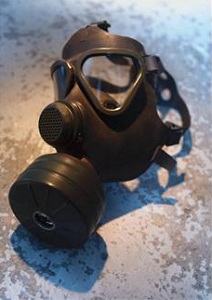 Since the beginning of recorded history, people have been forecasting the end of the world. In biblical times, many people believed that Jesus would return in a few short years, and religions throughout the world have cautioned people to repent and prepare for the end of days for as long as there have been religions.
In modern times, with science gaining popular acceptance and doomsday scenarios falling outside the mainstream, such beliefs can seem highly unorthodox. But the Daily Mail reports that 22% of Americans believe the world will end in their lifetime, and the belief that a religious figure will return to “save†a chosen few is still commonplace. The National Geographic Channel has dedicated a popular television series to people who believe the world may soon end: Doomsday Preppers follows individuals—sometimes referred to as survivalists—and their families as they plan and prepare for the end of civilization.
Psychology can offer some insight into this phenomenon.
Risk and Preparedness
We live in an increasingly complex and often frightening world. Massive tsunamis can kill thousands, and electrical outages can cripple a city, state, or country. The threat of nuclear war is omnipresent, and protests around the world can make government and order seem increasingly unstable. Many people actively fear the prospect of terrorist attacks, pandemics, fuel shortages, and societal or economic collapse.
Most people prepare to some degree for “what-if†scenarios. People buy flood insurance, swarm the grocery store before a storm, and buy generators to ensure their businesses can keep running if there’s a power outage. The difference between those who take it to the extreme—such as doomsday preppers—and those who simply plan for a rainy day may simply be a matter of degree.
Trauma and Experience
People who believe in conspiracies and doomsday scenarios likely would caution that, if they’re right, they don’t look so strange after all. And when a person’s experiences are taken into account, their worries may even seem justified. A person who has experienced war might be more frightened that war could end the world, while trauma victims and people with posttraumatic stress may have more difficulty assessing risk.
Belief Systems
People tend to accept evidence that supports their belief systems and ignore evidence that doesn’t—a phenomenon called confirmation bias. In some cases, people may believe conspiracy theories because these theories support their most fundamental or earliest-established beliefs. A person whose mother claims to have been kidnapped by aliens might, for example, fervently cling to a belief in aliens because believing in aliens allows him to believe his mother. A highly religious person who believes she experienced a prophecy that the world will soon end is unlikely to abandon such a belief because doing so undermines her religious experience.
Once a doomsday scenario or conspiracy theory becomes part of a person’s belief system, he or she is unlikely to abandon it even in the face of conflicting evidence. This isn’t unique to doomsday preppers. We all have things we believe without evidence, sometimes even in the face of contradictory evidence.
Mental Health Conditions
Some people who believe in conspiracy theories and end-of-days scenarios may be experiencing a mental health issue. Conditions that can contribute to such beliefs include:
- Schizophrenia, which can result in delusions and hallucinations that could convince a person the end of the world is near or that an entity is out to get him or her.
- Paranoid personality disorder, which manifests as constant suspicion, often in the form of fear of the government.
- Persecutory delusion, which may cause a person to believe that another person or entity is out to get him or her and will not stop until harm is done.
References:
- Cruz, N. (2012, April 3). National Geographic’s troubling, addictive show about survivalists. Slate. Retrieved from http://www.slate.com/blogs/browbeat/2012/04/03/doomsday_preppers_on_national_geographic_is_the_survivalist_reality_show_exploitative_.html
- Guyatt, N. (2007). Have a nice doomsday: Why millions of Americans are looking forward to the end of the world. New York, NY: Harper Perennial.
- Hanlon, C. (2012, May 2). 22% of Americans believe world will end in their lifetime (and 10% think the apocalypse is coming this year). Mail Online. Retrieved from http://www.dailymail.co.uk/news/article-2138449/The-end-nigh–Americans-think-world-end-year.html
Corrective learning is a process that occurs when existing conceptions and beliefs are replaced by more adaptive ones. For individuals with anxiety, panic, and phobias, exposure therapy is a common form of treatment that aims to produce corrective learning.
During exposure therapy, individuals are exposed to things they fear or that threaten them. Because these situations or things are usually avoided as a result of anxiety, the theory behind exposure therapy posits that being confronted with the feared item or event in a controlled environment will allow the individual to realize that his or her fears surrounding that item or event will not be realized. It is also believed that the level of fear or anxiety that is experienced during the exposure directly predicts the level of reduction in anxiety at treatment outcome. In other words, the more fearful or anxious someone is during a session, the more he or she will be able to overcome that fear in the long run.
This theory has been tested at length. However, Alicia E. Meuret of the Department of Psychology at Southern Methodist University in Texas wanted to examine this further. In a recent study, Meuret assessed the physiological and emotional responses of 34 participants with agoraphobia and panic as they underwent either a cognitive behavioral or breathing-based exposure therapy. She found that the participants all experienced increases in panic and anxiety during the sessions, as evidenced by physiological markers and emotional responses, but that these increases did not lead to better outcomes. In fact, the more panicked and fearful the individuals were, the worse their treatment outcomes. Additionally, in contrast to existing research, Meuret found that symptom reduction during treatment did not predict treatment outcome. In other words, even if the individuals experienced spikes in treatment severity during exposure and then were able to reduce their anxiety as the session continued, this drop did not lead to better overall outcome.
It has been suggested that allowing a client to experience symptom reduction during exposure provides a sense of self-control and mastery for the client and accomplishment for the therapist. And although this may indeed be true, the reduction of symptoms after exposure does not seem necessary for treatment success. In fact, the treatment outcomes were similar for those who left sessions with symptoms that were elevated as well as with symptoms that were diminished. Meuret believes that these results contradict the theory that fear reactivity is an indicator of treatment outcome, although her study was limited by sample size and the fact most of the participants were well-educated white females. “More research is needed to examine the underlying mechanism of corrective learning during exposure across therapy types,†she said.
Reference:
- Meuret, Alicia E., Anke Seidel, Benjamin Rosenfield, Stefan G. Hofmann, and David Rosenfield. Does fear reactivity during exposure predict panic symptom reduction? Journal of Consulting and Clinical Psychology 80.5 (2012): 773-85. Print.
The benzodiazepines are a class of drugs typically prescribed for the treatment of anxiety or chronic seizure. They work by slowing the electrical activity in the brain, resulting in a sedative effect. Doctors may prescribe these drugs for brief or prolonged periods, or simply as needed—such as in the event of a panic attack. The potential adverse effects of benzodiazepines are fairly well understood by the medical community. People may experience drowsiness, headache, dizziness, and an unsteady feeling. High doses have an intoxicating effect similar to alcohol consumption.
However, the effect of chronic low doses of medications like Xanax (alprazolam) and Klonopin (clonazepam) on human tissue and organs is still to be determined. Previous studies have suggested that long-term administration of benzodiazepines may weaken the immune system, although no conclusive evidence of such a link exists.
A clinical experiment with rats tested the effects of Klonopin and Xanax on stressed and nonstressed male rats. The stress procedure involved confining the rats to a small mesh cage for 2.5 hours each morning. Some rats received Klonopin, some Xanax, and others only a control solution of distilled water. The study continued for four weeks, after which the rats were euthanized and the clinicians carefully examined them. The research team was most interested in the health of the immune system, and they primarily investigated lymph glands and blood cell counts. The findings have implications for the treatment of anxiety in humans.
Both stressed and nonstressed rats showed immune system deficits after treatment with either Klonopin or Xanax. Rats treated with Xanax demonstrated the most serious deficits, possibly because of the medication’s unique chemical structure. Because of the experimental design, researchers were able to distinguish between immune deficiencies caused by stress alone and those caused by medication. Nonstressed, medicated rats showed less decline than their stressed counterparts, but the decline was still clinically meaningful. It’s worth noting also that these rats received relatively low doses of medication. Continued administration beyond four weeks might reveal even more profound immune system effects.
These results argue for more caution when prescribing anti-anxiety medications. Both Xanax and Klonopin appear to degrade the immune system in distinct ways. Overall, Klonopin’s effects were less severe than those of Xanax, but were still worrisome. Patients with already compromised immune systems may want to avoid this class of medications if possible. Otherwise, Klonopin may be the safest choice. In addition, short-term use of the drug is definitely preferable to a long-term prescription.
References:
- Elmesallamy, G. E., Abass, M. A., Refat, N., and Atta, A. H. (2011). Differential effects of alprazolam and clonazepam on the immune system and blood vessels of non-stressed and stressed adult male albino rats. Interdisciplinary Toxicology, 4(3), 132-143.
- PubMed Health [Internet]. (n.d.). Bethesda (MD): National Library of Medicine. Alprazolam. Retrieved from http://www.ncbi.nlm.nih.gov/pubmedhealth/PMH0000807/