
Understanding Intergenerational Trauma: An Introduction for Clinicians
January 8, 2021 • By Dr. Fabiana Franco, PhD, DAAETS
by Dr. Fabiana Franco, PhD, DAEETS
Simple trauma describes a single, circumscribed traumatic event (such as an assault). Complex trauma occurs when a person experiences a series of repeated traumatic events or when new, unique traumatic incidents occur such as natural disasters. Complex trauma early in life can damage multiple aspects of the child’s development. Complex trauma may involve entire families in incidents of violence, addiction, or poverty. (1)
Historical Trauma
Historical trauma refers to traumatic experiences or events that are shared by a group of people within a society, or even by an entire community, ethnic, or national group. Historical trauma meets three criteria: widespread effects, collective suffering, and malicious intent (2). Historical Trauma Response (HTR) can manifest as substance abuse, suicidal thoughts, depression, anxiety, low self-esteem, anger, violence, and difficulty in emotional regulation (3)
Intergenerational Trauma
Intergenerational trauma (sometimes referred to as trans- or multigenerational trauma) is defined as trauma that gets passed down from those who directly experience an incident to subsequent generations. Intergenerational trauma may begin with a traumatic event affecting an individual, traumatic events affecting multiple family members, or collective trauma affecting larger community, cultural, racial, ethnic, or other groups/populations (historical trauma). Those affected by intergenerational trauma might experience symptoms similar to that of post-traumatic stress disorder (PTSD), including hypervigilance, anxiety, and mood dysregulation.
Intergenerational trauma was first identified among the children of Holocaust survivors (4), but recent research has identified intergenerational trauma among other groups such as indigenous populations in North America and Australia (3)(5). In 1988, one study showed that children of Holocaust survivors were overrepresented in psychiatric referrals by 300% (6). The subjects were selected based on having at least one parent or grandparent who was a survivor.
Parenting as an Explanation for the Phenomenon of Intergenerational Trauma
While the existence of intergenerational trauma is well documented in multiple studies across several cultures, the mechanisms of transmission of intergenerational trauma remain unclear.
Trauma’s Effects on Parents
Parents may transmit inborn genetic vulnerabilities triggered by their own traumatic experience or via parenting styles that have been impacted by their trauma (7). Trauma survivors face many challenges when they are parents, including difficulty bonding to and creating healthy emotional attachments with their children. Yael Danieli categorized four adaptation styles amongst the families of survivors: Numb, Victim, Fighters, and Those Who Made It. Survivors who become numb seek silence by self-isolating, have a very low tolerance for stimulation of any kind, and are minimally involved in raising their children. Victims fear and distrust the outside world, try to remain inconspicuous, and are frequently depressed and quarrelsome. Fighters focus on succeeding at all costs and retaining an armor of strength, making them intolerant of weakness or self-pity. Those Who Made It are characterized by their pursuit of socio-economic success but also by the ways in which they intentionally distance themselves both from their experience of trauma and from other survivors (8).
Effects on Children
Children experience and understand the world primarily through direct caregivers and are, therefore, profoundly affected by their parents’ modeling. Children both mimic their parents’ behaviors and learn to navigate future relationships based on how they learned to relate to their parents. Enduring coping mechanisms due to the effects of trauma may be forged out of efforts to avoid and/or “fix†a parent’s abusive behavior, anger, depression, neglect, or other problematic behaviors.
GoodTherapy members with Basic, Premium, and Pro memberships are invited to submit articles for the GoodTherapy blog. Not a member yet? Learn more here.
The Great Famine in Ukraine of 1932-1933 and Intergenerational TraumaÂ
The Holodomor (derived from the Ukrainian “to kill by starvationâ€â€˜) is also known as the Famine-Genocide in Ukraine, the Terror-Famine, the Great Famine, or the Ukrainian Genocide of 1932–33. It resulted from deliberate actions on the part of the authorities in Soviet Ukraine who, under the direction of Joseph Stalin, sought to force collectivization on the ethnic Ukrainian peasant population. This resulted in the deaths of millions (11).
In 2010, Brent Bezo conducted a pilot study to understand the generational impact of the Holodomor. Bezo interviewed 45 people from three generations of 15 Ukrainian families. The first generation survived through the Holodomor: the second and third generations were their children and grandchildren.
The study revealed that the coping mechanisms that the direct survivors had developed during the genocide were retained in the family system and passed down to their children and grandchildren. They described living in “survival mode,†including difficulty trusting people, a food-scarcity mentality, low self-worth, hoarding, social hostility, and risky health behaviors (10).
Aboriginal Communities in Canada and Intergenerational TraumaÂ
Aboriginal communities in Canada suffered from sustained trauma. For generations, Canada tried to forcibly assimilate Aboriginal people by placing them in residential schools, removing children from their families, and generally attempting to eradicate their culture and traditions (5).
The effects of this prolonged trauma have impacted First Nations groups on individual and collective levels, including markedly high rates of depression and self-destructive behaviors compared to the non-Aboriginal population. One of the challenges for mental health professionals working with community members is to understand the effects of intergenerational trauma on their clients, including a well-earned mistrust in the ministries of outsiders.
When Trauma is not Acknowledged – Learning From the Armenian Genocide
Mental health professionals are often unfamiliar with the history of those they seek to treat. Unrecognized and, therefore, unacknowledged traumatic events, such as family trauma or childhood trauma will go on to pose unique challenges for both client and clinician.
Trauma Denied
The Armenian Genocide, during which the Ottoman Turkish Empire massacred 1.5 million Armenians in 1915, is an example of historical trauma that has often been either minimized or denied outright. In fact, the mass murder of Armenians, Assyrian, Greek, and other Christian and religious minority populations of the Ottoman Empire between 1914 and 1923 has yet to be acknowledged as a genocide by the Turkish government (11). It can be especially challenging to cope with an injury while you are still fighting for its acknowledgment a century after it was inflicted. Additionally, due to this lack of formal recognition, Armenian survivors find it difficult to trust non-Armenian mental health professionals with their history and pain (12).
Coping: Family Closeness
Dagirmanjian suggested narrative therapy as a treatment with Armenians (12). Narrative therapy allows survivors to embody and settle into their perception and view of themselves (11). Another important key to working with Armenians is understanding the way Armenians value family closeness. This trait has sometimes been misunderstood and even considered unhealthy by Western clinicians who have been trained to approach family therapy with the goal of promoting individuation (12). In general, it is crucial for the mental health professional to understand the cultural context of the person suffering from trauma, including intergenerational trauma, to provide the most effective and sensitive treatment.
When Trauma Attacks the Core of a Person’s IdentityÂ
Systematic attacks on a person or group’s identity, such as the Holocaust or the Aboriginal experience, are particularly damaging because identity and tradition are essential to perceived meaning in life. Victor Frankl, in his book, Man’s Search for Meaning, describes the imperative for people to feel securely connected to meaning in their life: without specific meaning, it is literally impossible to live (13).
In approaching survivors of historical trauma in which the intent was not only to inflict pain or kill but to demean and, ultimately, erase the identity of an entire people, the therapist must be aware that recovery requires the restoration of morale, identity, and purpose.
Culturally-Mindful Interventions
In Canada’s Aboriginal communities, intergenerational trauma treatment is complicated due to high substance use (which is itself likely a sequela of historical trauma). A valuable 2015 study (14) demonstrated the importance of blending Aboriginal and Western healing methods to treat intergenerational trauma when it was associated with substance use disorder among Aboriginal people in Canada (14). A vital element in this approach is reclaiming and recovering Aboriginal identity, including traditions, philosophies, and practices, and adapting them to current circumstances and needs. Programs that enhanced identity through cultural affiliations, increased cultural awareness through healing circles and family involvement, and were strongly influenced by traditional Aboriginal spirituality contributed significantly to decreases in substance use, domestic violence (which are often associated with substance use), and an overall increase in individual and communal healing (14).
The Role of Epigenetics in Intergenerational Transmission of TraumaÂ
Maternal stress and trauma are associated with health consequences for both mother and child, including low birth weight, fetal growth, and preterm delivery (15). The effect of maternal stress and trauma translate into additional risks for the infant later in life, including hypertension, heart disease, Type II diabetes mellitus, and even cancer (16).
Epigenetics refers to the study of heritable changes in gene expression in response to behavioral and environmental factors that do not change the underlying DNA sequence. In other words, epigenetics is the study of inherited changes in phenotypical properties without a difference in the inherited genetic makeup. Recent studies demonstrate that traumatic events can induce genetic changes in the parents, which may then be transmitted to their children with adverse effects (17).
In 2005, a study conducted to better understand the relationship between the PTSD symptoms of women exposed to the World Trade Center collapse on September 11, 2001, and their infant children’s cortisol levels found lower cortisol levels both in the mothers and their babies (18). Cortisol is a hormone released through the adrenal gland which helps regulate stress response. These findings speak to the importance of factoring epigenetic effects into our evolving understanding of how posttraumatic effects may be transmitted across generations (18).
Take Away Lessons for Mental Health Professionals Treating Intergenerational TraumaÂ
Intergenerational trauma may be transmitted through parenting behaviors, changes in gene expression, and/or other pathways that we have yet to understand fully. These may be biological, social, psychological, and/or a mixture of all three. As we trace these modes of transmission, practitioners will be better able to match interventions to specific factors that either propagate traumatic effects across generations or mitigate against their transmission. Different sources of intergenerational trauma will likely require different approaches. Innovative treatments for multigenerational trauma that borrow from indigenous cultures, acknowledge historical trauma, connect to group identity, and support survivors in finding meaning and purpose in their experience and that of their family and people are already providing practical tools for practitioners and point the way towards future progress for future generations.
References
(1) Courtois, C. A. (2008). Complex trauma, complex reactions: Assessment and treatment. Psychological Trauma: Theory, Research, Practice, and Policy, S(1), 86-100. Accessed August 24, 2017.
(2) O’Neill L, Fraser T, Kitchenham A, McDonald V (June 2018). “Hidden Burdens: a Review of Intergenerational, Historical and Complex Trauma, Implications for Indigenous Familiesâ€. Journal of Child & Adolescent Trauma. 11 (2): 173–186.
(3) Maria Yellow Horse Brave Heart “The historical trauma response among natives and its relationship to substance abuse: A Lakota illustration.†Journal of Psychoactive Drugs 35(1).
(4) Fossion P, Rejas MC, Servais L, Pelc I, Hirsch S (2003). “Family approach with grandchildren of Holocaust survivorsâ€. American Journal of Psychotherapy. 57 (4): 519–27.
(5) Aguiar, W. & Halseth, R. (2015). Aboriginal peoples and Historic Trauma: The processes of intergenerational transmission. Prince George, BC: National Collaborating Centre for Aboriginal Health.
(6) Sigal, J. J., Dinicola, V. F., & Buonvino, M. (1988). Grandchildren of Survivors: Can Negative Effects of Prolonged Exposure to Excessive Stress be Observed Two Generations Later? The Canadian Journal of Psychiatry, 33(3), 207–212.
(7) Bowers, M. E., & Yehuda, R. (2016). Intergenerational Transmission of Stress in Humans. Neuropsychopharmacology: official publication of the American College of Neuropsychopharmacology, 41(1), 232–244.
(8) Danieli, Y. (1981). Differing adaptational styles in families of survivors of the Nazi Holocaust: Some implications for treatment. Children Today, 10: 6-10.
(9) Werth, Nicolas. 2007. “La grande famine ukrainienne de 1932–1933.†In La terreur et le désarroi: Staline et son système, edited by N. Werth. Paris. ISBN 2-262-02462-6. p. 132.
(10) DeAngelis, T. (2019, February). The legacy of trauma. Monitor on Psychology, 50(2). http://www.apa.org/monitor/2019/02/legacy-trauma
(11) Mangassarian, Selina L. (2016). 100 Years of Trauma: the Armenian Genocide and Intergenerational Cultural Trauma, Journal of Aggression, Maltreatment & Trauma, 25:4, 371-381
(12) Dagirmanjian, S. (2005). Armenian families. In G. McGoldrick & N. Garcia-Preto (Eds.), Ethnicity and family therapy (pp. 437–450). New York, NY: Guilford.
(13) Frankl, V. E. (1984). Man’s search for meaning: An introduction to logotherapy. New York: Simon & Schuster.
(14) Marsh, T.N., Coholic, D., Cote-Meek, S. et al. Blending Aboriginal and Western healing methods to treat intergenerational trauma with substance use disorder in Aboriginal peoples who live in Northeastern Ontario, Canada. Harm Reduct J 12, 14 (2015).
(15) Dunkel-Schetter, C, Wadhwa, P, & Stanton, AL. (2000). Stress and reproduction: Introduction to the special section. Health Psychol; 19(6): 507-509.
(16) Barker, D. J. P. (1998). Mothers, babies and health in later life (2nd ed,). Edinburgh: Churchill Livingstone.
(17) Yehuda R, Bierer LM (2009). The relevance of epigenetics to PTSD: implications for the DSM-V. J Trauma Stress 22: 427–434.
(18) Yehuda, Rachel, Mulherin Engel, Stephanie, Brand, Sarah R., Seckl, Jonathan, Marcus, Sue M., Berkowitz, Gertrud S., Transgenerational Effects of Posttraumatic Stress Disorder in Babies of Mothers Exposed to the World Trade Center Attacks during Pregnancy, The Journal of Clinical Endocrinology & Metabolism, Volume 90, Issue 7, 1 July 2005, Pages 4115–4118.
GoodTherapy members with Basic, Premium, and Pro memberships are invited to submit articles for the GoodTherapy blog as a part of their membership. Not a member yet? Learn more here.
© Copyright 2021 GoodTherapy.org. All rights reserved. Permission to publish granted by Dr. Fabiana Franco, PhD, DAAETS
 Denial has been said to be the trademark of addiction, and it has been long identified in the field of psychology. Denial is also relevant to experiences of trauma. These include witnessing trauma, inflicting trauma, and surviving trauma. Furthermore, white denial of racial trauma is the breath of racism.
What Is Denial and Why Do People Do It?
Denial is a refusal to accept reality in order to protect oneself from a painful event, thought, or feeling. It is a common defense mechanism that gives a person time to adjust to distressing situations. For example, a person with drug or alcohol addiction will often deny that they have a problem. People indirectly dealing with the addiction, such as family or friends of the addicted person, may also deny the severity of the issue.
It is possible to deny some aspects of reality while accepting other aspects. For example, a person may acknowledge there is an issue (such as addiction) while denying the need to take action (such as quitting the drug).
Denial isn’t limited to individuals. It has also been recognized on a cultural scale. Current examples include conspiracy theorists’ claims that the Holocaust never occurred or the renunciation of global warming.
Some experts theorize that denial occurs in linear, progressive stages. These types of denial include the following:
- Denial of fact (“That’s not trueâ€)
- Denial of awareness (“I had no ideaâ€)
- Denial of responsibility (“It’s not my faultâ€)
- Denial of impact (“That wasn’t my intentionâ€)
Denial is initially an unconscious adaptive response. It can also be one of the most primitive, meaning that while it can be very effective short-term, it is ineffective and potentially harmful in the long-term. Staying in denial interferes with change.
How Denial Can Contribute to Racism
The stigma associated with being racist often fuels white denial—the refusal to accept that racism exists. Racism can be defined as the discrimination and/or oppression inflicted upon individuals belonging to a socially constructed racial category. Racism happens at three levels:
- Institutional—Discrimination through laws or social norms.
- Individual—When one person discriminates against a minority group.
- Internalized—When a marginalized person believes stereotypes about their group and/or blames themself for any discrimination they face.
Racism requires the combination of prejudice, power, access, and privilege. It has been summarized as a pathology of power marked by ignorance.
The infamous photograph of the horrific lynching of Rubin Stacy in 1935 is a striking example of white denial. The photo shows a white child in the crowd dressed in her Sunday best. She is smiling while looking at the dead body of a black man hanging in the tree.
Transforming and healing the societal trauma of racism must include healing the numbness of people who benefit from racism.The child could be considered a visual representation of how the short-term coping response of denial evolves into a long-term strategy. The photo demonstrates how racism can be embedded in the culture we grow up in (institutionalized). It also shows how our belief system and our physiology can embody racism (individualized and internalized).
Studies on epigenetics reveal how trauma responses can be passed down through generations, not only through learning and conditioning, but also through genetics. One study shocked male mice while exposing them to the scent of a cherry blossom. The mice then showed a trauma response every time there was the scent, even without being shocked. The trauma response was also present in the mice’s children and grandchildren when they were exposed to the scent of a cherry blossom, even though they never experienced a shock. Their genes were altered.
The study suggests that a person may not have to directly experience a traumatic event to enact a trauma response. In other words, a traumatic response to a relevant trigger can occur even when a person doesn’t know what the original stimulus was. Regarding the photo, the loved ones grieving Rubin Stacy’s death could have passed down their trauma response to their descendants. Future descendants of the white child may embody her physiological response as well.
White denial, and the identified physiological response, may be relevant in the concept “the privilege of numbnessâ€. The term refers to emotional numbness as an adverse effect of racism. This numbness may enable white individuals to ignore or perpetuate a system of racism that benefits them without feeling guilt about others’ suffering. Transforming and healing the societal trauma of racism must include healing the numbness of people who benefit from racism.
When Ignorance Is Intentional
Conscious acts of denying can also appear when people face ethical dilemmas. A study examining shopping behaviors found that if consumers were specifically told that a product was made in an unethical way, the consumers wouldn’t purchase the product. However, when consumers were given the choice to hear the backstory on the product, most people chose to not know.
Researchers asked participants to rank jeans by picking two of four categories to do so:
- Style
- Color
- Price
- Whether or not child labor was used to make the clothing
More than 85% of participants did not choose child labor as a category for their consideration. These results suggest the vast majority of participants were “willfully ignorant.â€Â Researchers found the conscious act of denial was at least in part due to an unconscious fear of being upset by what would be discovered.
Next, researchers asked the willfully ignorant participants what they thought of consumers who chose to research a brand’s labor practices before making a purchase. The response? The willfully ignorant participants tended to degrade the ethical consumers, not just with criticism, but also with character attacks.
Why the hate? Research indicated the participants were unconsciously acting out due to their own guilty feelings. Perhaps even more concerning, a related study demonstrated that willfully ignorant consumers who degraded their ethical peers were less likely to support the social cause in the future.
Addressing Denial Through Self-Examination
Challenging denial is typically an ongoing process of self-examination and radical honesty. Denial is universal—everyone perceives events through personal bias. Therefore, confronting denial often starts at an individual level.
When challenging your own denial, remember to consider the following:
- Realize that denial and personal bias are largely implicit and unconscious processes. Uncovering and confronting social conditioning requires ongoing effort and outside feedback. We all have blind spots.
- Remove the blame and shame. Binary judgments of good/bad can further increase stigma. Stigma in turn can heighten defense mechanisms and trigger trauma reactions (i.e. denial).
- Replace blame and shame with vulnerability, curiosity, and humility. Embrace feelings that allow for growth. Seek understanding. Stretch your worldview.
- Befriend the body. Increase your awareness of your body. Understand how it reacts when you are stressed or ashamed. Learn to tell the difference between discomfort and pain.
- Focus on holding yourself responsible and accountable. Consider if your internal and external resources are being used in accordance with your values. Action often alleviates guilt.
Sometimes confronting personal bias or past mistakes can feel emotionally overwhelming. A licensed therapist can offer confidential support without judgment. You can find a therapist here.
References:Â Â
- Aizenman, N. (2016). Do these jeans make me look unethical? National Public Radio. Retrieved from https://www.npr.org/sections/goatsandsoda/2016/01/07/462132196/do-these-jeans-make-me-look-unethical
- Aldebot, S., & de Mamani, A. G. (2009). Denial and acceptance coping styles and medication adherence in schizophrenia. The Journal of Nervous and Mental Disease, 197(8), 580–584. doi:10.1097/NMD.0b013e3181b05fbe
- D’Angelo, R. (2011). White fragility. The International Journal of Pedagogy, (3) Retrieved from http://libjournal.uncg.edu/ijcp/article/view/249/116
- Kendi, I. X. (2018). The heartbeat of racism is denial. The New York Times. Retrieved from https://www.nytimes.com/2018/01/13/opinion/sunday/heartbeat-of-racism-denial.html
- Lewis, T. (2013). Fearful experiences passed on in mouse families. Live Science. Retrieved from https://www.livescience.com/41717-mice-inherit-fear-scents-genes.html
- Lynching of Rubin Stacy in Fort Lauderdale, Florida [Photograph]. (1935) Retrieved March 2019 from https://www.alamy.com/stock-photo-lynching-of-rubin-stacy-in-fort-lauderdale-florida-49908098.html
- Raheem, M. A., & Hart, K. A. (2019, March). Counseling individuals of African descent. Counseling Today, 61(9). Retrieved from https://ct.counseling.org/2019/03/counseling-individuals-of-african-descent
- Winn, M. E. (1996). The strategic and systemic management of denial in the cognitive/behavioral treatment of sexual offenders. Sexual Abuse, 8(1), 25–36. Retrieved from https://journals.sagepub.com/doi/10.1177/107906329600800104
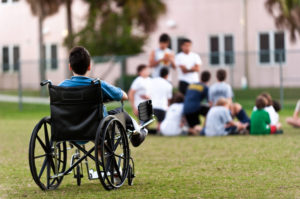 Bullying based on stigma or discrimination can be especially harmful. Bullies may target a child for their weight, religion, disability, or other traits. Â A Developmental Review study says anti-bullying programs are unevenly distributed among sociological categories. The authors say more research on interventions might reduce bullying among specific groups.
Preventing Stigma-Based Bullying
The study screened 8,240 articles published between 2000 and 2015. It included 22 studies addressing 21 different interventions for discriminatory bullying. The study found the number of stigma-based bullying interventions has increased with time. Between 2000 and 2007, only six such programs appeared in peer-reviewed journals. Between 2008 and 2015, researchers published 16 interventions.
[fat_widget_child_counselor_right]
This data suggests investigators are taking the problem more seriously. However, the study found an uneven distribution of programs. Over the last 15 years, programs addressing LGBTQ+ issues have grown more common. Yet the study’s authors located only two programs that directly addressed racism.
Bystander intervention and other generalized anti-bullying approaches have proven successful. Yet programs that target stereotypes might be necessary to fight discriminatory bullying. According to the study authors, they may also help prevent gun violence at schools. Many school shooters have a history of gender-based harassment and/or racial prejudice. Addressing discrimination early on may prevent behaviors from escalating.
Bullying and Mental Health
While some adults treat bullying as a rite of passage, research points to the long-lasting damage the experience can cause. A 2015 study found bullied children were more likely to experience anxiety and depression than survivors of childhood abuse. Research published in 2014 suggests the effects of bullying may extend into adulthood.
According to the Centers for Disease Control and Prevention (CDC), kids who bully are more likely to have:
- harsh parenting
- poor impulse control
- an acceptance of violence
Bullying prevalence estimates vary. The 2015 Youth Behavior Risk Survey found 20% of high schoolers were bullied at school during the previous year. In the same survey, 16% of students said they had been cyberbullied.
References:
- Bullying based on stigma has especially damaging effects. (2018, March 8). ScienceDaily. Retrieved from https://www.sciencedaily.com/releases/2018/03/180308105144.htm
- Earnshaw, V. A., Reisner, S. L., Menino, D. D., Poteat, V. P., Bogart, L. M., Barnes, T. N., & Schuster, M. A. (2018). Stigma-based bullying interventions: A systematic review. Developmental Review. Retrieved from https://www.sciencedirect.com/science/article/pii/S0273229717300138?via%3Dihub
- Prevent bullying. (2017, October 10). Retrieved from https://www.cdc.gov/features/prevent-bullying/index.html
 In the wake of terror attacks and acts of violence around the world—such as the white supremacy demonstrations in Charlottesville, Virginia, that led a man to plough a vehicle into a crowd of counter-protesters, killing a woman—many parents may be unsure how to talk to their children about the news.
The American Academy of Pediatrics offers parents several tips. The discussion, the organization says, should begin by asking children what they already know. Parents should offer encouragement and reassurance, maintain a consistent routine, and shield young children from graphic images of violence. They should also monitor children for signs of depression and trauma, such as sleep, behavioral issues, and changes in eating habits.
Many want to talk with their children about race in a way that raises a child’s consciousness without being frightening. Most experts emphasize the need to be honest in an age-appropriate way. Parents must also explore their own feelings about race and racism before attempting to educate their children. Like other challenging conversations, ignoring the issue won’t make it go away. Rather than having one conversation, parents should begin as early as possible, have frequent discussions, and maintain open lines of communication.
The Psychology of the Eclipse: ‘You Just Feel Connected With Everybody’
[fat_widget_right]As excitement about Monday’s solar eclipse increases, some mental health experts say the eclipse can foster a connection. Experiencing something out of the ordinary can break down the usual barriers to connection, fostering a sense of unity and closeness—even with strangers.
Some Companies Want You to Take a Mental Health Day
A mental health day can be as important for good health and job satisfaction as sick leave. Yet, many workers are reluctant to tell their managers they need one. Some companies now encourage employees to take mental health days, citing increases in productivity and job satisfaction among employees with good mental health.
What’s Worse Than Being Unemployed? A Bad Job, Say Researchers
Many workers think long-term unemployment is the most stressful job experience they can have. According to new research, however, staying in a bad job might be worse. Researchers followed people who were unemployed during 2009 and 2010. Those who took “poor quality work†had higher stress levels than those who remained jobless.
Rand Study Recommends Improvements to Mental Health Care for Service Members
A new Rand Corporation study suggests lack of access to quality mental health care remains an issue for current and former soldiers. The study, which surveyed 520 providers, found less than half were able to see people with depression or posttraumatic stress (PTSD) weekly. Instead, they saw these people biweekly or less. This suggests soldiers may not get the consistent care they need to see improvements in mental health.
How White Supremacists Use Victimhood to Recruit
Research on white supremacist groups suggest their members see themselves—not the minority groups they target—as the real victims. They believe white people are the real targets for systemic oppression. In other words, they are prevented from expressing their “white pride,†their victimization erodes self-esteem, and the ongoing victimization of white groups is part of a plan to eliminate the white “race.â€
Now, Manage Your Mental Health and Chronic Conditions With an App
A new smartphone app promises to help middle-age and older adults manage their physical and mental health. The app, which is designed to meet the average technical abilities of older adults, involves three months of training in 10 sessions. The sessions cover health topics such as stress, medication and substance abuse, and the role of mental health in physical health.
 White families with children are more likely to choose racially homogeneous neighborhoods and schools, according to a study published in The Russell Sage Foundation Journal of the Social Sciences.
Neighborhood segregation has generally declined since the 1970s, but the decline among white families has been slower. The study suggests this can undermine racial equality by altering the development of white children’s attitudes toward diversity. These attitudes can have far-reaching consequences for children’s future educational and employment pursuits.
Segregation Among White Families
The study measured school-age children’s exposure to diverse racial groups in their neighborhoods between 2000 and 2010. Ann Owens—the study’s author and an assistant professor at the University of Southern California—then compared this exposure to adults’ exposure.
Owens found children experience more racial segregation than adults, and white children live in slightly whiter neighborhoods than white adults. This may be due to white families’ tendency to live in more segregated neighborhoods than single white adults and white adults without children.
[fat_widget_right]The analysis further suggests school boundaries play a key role in this segregation, with white families choosing—whether consciously or not—to live in more segregated school districts. Owens theorizes that white parents might base quality of a school system on its racial composition, as many believe schools with less diversity are more highly ranked.
Research on Segregation and Unconscious Bias
Previous research supports the notion that white people may prefer segregated neighborhoods. Given the choice between an all-white neighborhood, a neighborhood that is 40% black and 60% white, or an all-black neighborhood, a 2009 study found white people preferred the all-white neighborhood.
Other research suggests racial perceptions are generally distorted, supporting the notion that segregation can affect attitudes. Data from 2013 suggest people overestimate the racial diversity of the United States. Survey participants thought ethnic minorities comprised 49% of the country. The correct figure is 37%.
White people also overestimate the percentage of crimes committed by black people, according to two surveys conducted in 2005 and 2010. For example, white respondents believed black people committed about half of all violent crimes. The accurate figure was around 20%.
These perceptions may help explain an unconscious bias toward white neighborhoods.
References:
- Badger, E. (2014, April 18). Americans vastly overestimate how diverse the country really is. Retrieved from http://www.citylab.com/politics/2013/10/americans-vastly-overestimate-how-diverse-country-really/7320/
- Krysan, M., Couper, M. P., Farley, R., & Forman, T. (2009). Does race matter in neighborhood preferences? Results from a video experiment. American Journal of Sociology, 115(2), 527-559. doi:10.1086/599248
- Owens, A. (2017). Racial residential segregation of school-age children and adults: The role of schooling as a segregating force. The Russell Sage Foundation Journal of the Social Sciences, 3(2).
- Ross, M. (2017, March 23). Study finds that white families live in less diverse areas. Retrieved from http://dailytrojan.com/2017/03/22/study-finds-white-families-live-less-diverse-areas/
- Swanson, A. (2014, December 1). Whites greatly overestimate the share of crimes committed by black people. Retrieved from https://www.washingtonpost.com/news/wonk/wp/2014/12/01/whites-greatly-overestimate-the-share-of-crimes-committed-by-black-people/?utm_term=.6c1a20e6d01f
 Spoiler alert: The following article contains plot details and other information from the movie Get Out.
Like many Americans, I went to see the movie Get Out when it was released at the end of February. I was—also like many Americans, I imagine—both horrified and impressed by what I took in, and I haven’t been able to stop thinking about the movie’s thematic and practical implications for the therapy field since. The film comes at an important time, serving—as Ashlee Blackwell points out in an article for The Guardian—“a vital reminder that racism remains a more terrifying force than any supernatural boogeyman.”
To my friends who have expressed curiosity but don’t like the horror genre, I’ve caught myself saying the film, which can be summarized as follows, is no more disturbing than our actual racist history: Chris, a black man, accompanies his white girlfriend to her family estate. While her family is friendly, something doesn’t feel right, and he discovers a number of the estate’s black residents have gone missing. When another black man urges Chris to “get out,” he begins to uncover the truth—and learns that “getting out” may not be so simple.
It is my opinion that the film, a critical success, effectively communicates the well-warranted cultural distrust many men of color have toward medicine, toward therapy, and toward white women—all symbols of systems who have manipulated and oppressed people of color over time. [fat_widget_right]
As I reflect on the film, on the tail end of Black History Month, I thought it appropriate to situate the psychotherapy profession in the context of historical racial offenses, as it is only through naming and claiming our unjust history that we can begin to move forward in a more equitable way. I specifically want to draw attention to the ways the movie summons the corrupt racial history of medicine, of psychotherapy, and of white female allegations against black men. While Get Out, marketed as a “horror-comedy,” will likely serve as entertainment as much as it provides political commentary, its box office success suggests a resonance with audiences who are craving affirmation.
Righteous Distrust of Medicine
On her page about people of color and psychotherapy, Dr. Monnica Williams discusses the distrust with which individuals may view the medical field in general and the belief, held by many, that medical institutions themselves are racist. Historically, it was not uncommon for slaves to be abused and experimented on by white doctors. People of color could not, with their low social status, refuse to participate in experiments, and neither could they withhold consent. Thus, they were frequently victimized and even used as examples when teaching surgical techniques to medical students.
One historical horror cementing this distrust for many people of color was the Tuskegee Syphilis study, a medical experiment observing the trajectory of untreated syphilis in black men in rural Alabama. This study was conducted between 1932 and 1972 under the pretense of offering free health care, but the men were not told of the purpose of the study, the reasons behind it, or even informed they had syphilis. Doctors did not treat their patients for the disease, either: By 1947, penicillin was widely recognized as the primary treatment for syphilis, but doctors still did not prescribe it.
Many medical practices have long perpetuated white supremacy by denying people of color the same agency over their bodies and identities automatically granted to white patients. The case of Relf v. Weinberger in 1973 brought this to light with the issue of forced sterilization for black women of reproductive age, a topic addressed at length by Dorothy Roberts in her book Killing the Black Body. This theme of medical agency appears in the film Get Out wherein black bodies and minds are hunted, bid on, and used for the social, emotional, and physical gain of whites. Rose’s father, a white neurosurgeon, captures Chris for the express purpose of using his body and talents to benefit an older white man.
The ethics of informed consent are so vital to our field, but rarely are these racial dynamics examined in our professional discussions of what informed consent looks like. Even if the above examples are severe, it is important for us to know about these practices so we might approach the informed consent process with the people we work with in a delicate, responsible manner.
Righteous Distrust of Psychotherapy
What we see depends on what we’re looking for, and our lived experiences will naturally filter the way we perceive the world. As a family therapist and white woman, I was particularly haunted by scenes of hypnosis and cognitive rape perpetuated by the white mother, herself a psychotherapist, who takes advantage of the psychic vulnerabilities of Chris, a young black man with maternal family trauma. In his words, she “gets inside his head” not for benevolent purposes, but to control and abuse. The therapeutic relationship may be impacted by racial and ethnic stereotypes, though professionals in the field may not wish to admit it. These stereotypes, whether they stem from prejudice or feelings of guilt, are likely to have impact on the care and treatment of the person seeking help.
Williams points out on her webpage that many people of color approach mental health care with caution, further saying they are right to be cautious. The therapeutic relationship may be impacted by racial and ethnic stereotypes, though professionals in the field may not wish to admit it. These stereotypes, whether they stem from prejudice or feelings of guilt, are likely to have impact on the care and treatment of the person seeking help.
It is also well-documented that people of color are disproportionately diagnosed with psychosis, which has implications for over-medication and institutionalization. Another concern lies in the the possibility of people of color who are cautious or defensive in treatment being labeled as “noncompliant” with treatment. Therapy without acknowledgement and thorough analysis of both present-interactional and historical power systems only serves to maintain the status quo.
Righteous Distrust of White Women
There are two female psychologists for every male psychologist, and nearly 84% of psychologists active in the workforce are white. Thus, I feel it is important to examine the historical basis for the distrust men of color may have toward white women. In the film Get Out, Rose serves as a sort of gatekeeper of oppression—by bringing boyfriends back home to “meet the family,” she is knowingly putting them at risk. She is consistently dismissive of her boyfriend’s fears and concerns, playing up her niceness and distress when it benefits her.
In 2015, a history of of white allegations against black men resurfaced when Dyllan Roof used the phrase “They’re raping our women” to justify his murder of nine churchgoers in Charleston, South Carolina. Allegations about the “brute passion of the Negro” have been used to justify violence toward black people since the time of slavery, and these were thematically represented in Get Out when Rose gasps out, “Help me!” upon the arrival of a police car toward the film’s end.
Rather than assuming perceived reservation or suspicion to be “noncompliance” or assuming people of color seeking help are themselves “the problem,” as therapists (particularly, as white female therapists) we must turn our assessments inward. What prejudices are we projecting outward in our interactions with the people seeking our help? How do our biases affect the care we provide, and how can we communicate authentically in a way that earns (and deserves) trust?
These are questions without easy answers, but as mental health professionals, we are used to holding complexity. We must approach the difficult topic of race with both realism and accountability if we expect those we treat to be real and accountable with us.
References:
- Blackwell, A. (2016, October 6). Get Out: The horror film that shows it’s scary to be a black man in America. The Guardian. Retrieved from https://www.theguardian.com/film/filmblog/2016/oct/06/get-out-horror-film-jordan-peele-black-men
- Bouie, J. (2015, June 18). The deadly history of “They’re raping our women.†Slate. Retrieved from http://www.slate.com/articles/news_and_politics/history/2015/06/the_deadly_history_of_they_re_raping_our_women_racists_have_long_defended.html
- Lin, L., Nigrinis, A., Christidis, P., & Stamm, K. (2015). Demographics of the U.S. psychology workforce: Findings from the American committee survey. Retrieved from http://www.apa.org/workforce/publications/13-demographics/report.pdf
- Get out. (2017). IMDb. Retrieved from http://www.imdb.com/title/tt5052448
- Relf v. Weinberger, 372 F. Supp. 1196 (D.D.C. 1974). Retrieved from  https://www.splcenter.org/seeking-justice/case-docket/relf-v-weinberger
- Roberts, D. (1998). Killing the black body: Race, reproduction, and the meaning of liberty. New York: Random House.
- Schwartz, R. C., & Blankenship, D. M. (2014). Racial disparities in psychotic disorder diagnosis: A review of empirical literature. World Journal of Psychiatry, 4(4). 133-140. Retrieved from https://www.ncbi.nlm.nih.gov/pmc/articles/PMC4274585
- The Tuskegee timeline. (2016, December 8). Centers for Disease Control and Prevention. Retrieved from https://www.cdc.gov/tuskegee/timeline.htm
- Williams, M. (n.d.). African Americans and psychotherapy: Why race is important. Retrieved from: http://www.monnicawilliams.com/black-therapist.php