
Remember when we called it the information superhighway? That is what it was, back when the internet first showed up. The deal felt simple: you logged on, looked things up, learned something, and left. Now, the feed can reach past your willpower and into your social media nervous system response before you even realize what happened.
Doomscrolling
Vicarious trauma
Attention boundaries
In this blog
And then something happened.
The superhighway became a supermarket. Everything is for sale now. The cost is not just money. It can be your emotional energy, your time, your relationships, your sanity, your regulation, and your ability to sit in a quiet room for five minutes without reaching for the glowing rectangle in your pocket.
Let us talk about what happened, why it matters, why it is not your fault, and what it can look like to get your ground back.
Key insight
The problem is not that you are weak. A social media nervous system response often begins because the feed is designed to bypass reflection and keep the body on alert.
Two Different Harms, One Nervous System
When we talk about “media,” we usually mash together two very different things your body has to deal with.
There is a clinical name for what can happen when we are exposed to suffering that is not ours over and over: vicarious trauma or secondary traumatic stress. In a study on media-induced secondary trauma during the COVID-19 pandemic, Lamba et al. (2023) explored how repeated media exposure can affect mental health during collective crises. This used to be something we talked about mostly with therapists, nurses, and first responders. Now, thanks to smartphones, many more people are exposed to other people’s pain again and again.
Both streams, the addictive and the disturbing, move through the same nervous system. That is the part most people miss.
Your Body Does Not Know It Is Just a Phone
Your nervous system was built for real threats. The kind that show up, get handled, and go away. It does not know what TikTok is. It cannot tell the difference between a bear and a shaky video of a bombing. It cannot tell the difference between friends laughing at your joke and bots boosting a stranger’s comment section.
It reacts to what it sees. Every time.
Heart rate up. Chest tight. Breath shallow. Cortisol dumping. That is supposed to happen briefly: burst, resolve, safety. But scrolling breaks that rhythm. Threat, threat, threat. Comparison, comparison, comparison. No resolution. No off switch. No “it is over now.”
Your body may think you are still in the woods with the bear, hours after you put the phone down.
And the research keeps piling up:
- A systematic review and meta-analysis found that problematic social media use is linked to higher rates of depression, anxiety, and stress in adolescents and young adults (Shannon et al., 2022).
- A meta-analysis linked use of social networking sites with self-reported depressive symptoms, with particular concerns around passive or comparison-based use (Vahedi & Zannella, 2021).
- The World Health Organization reported that problematic social media use among teens rose from 7% in 2018 to 11% in 2022, alongside lower overall well-being (WHO, 2024).
- Excessive screen time has been discussed in relation to changes in brain structure, sleep disruption, attention, and stress regulation (Stanford Lifestyle Medicine, 2024).
So no, it is not just you. It is not only in your head. A social media nervous system response can show up in the body, and it is measurable in sleep, attention, mood, and tension.
A grounded way to think about trauma exposure
If distressing content keeps following you into sleep, relationships, work, or your body, it may help to learn more about how trauma can shape nervous system responses.
What It Looks Like When It Is Wearing You Down
The harm builds slowly. That is why most people do not connect the dots. They just notice something is off.
See if any of this lands:
A quick self-check
- Sleep that does not feel like rest, even when you get eight hours.
- A low hum of worry that eases the second you pick up your phone and comes right back when you put it down.
- Things that used to bring joy feel oddly flat.
- You cannot sit with your own thoughts for more than a minute without reaching for something.
- Cycles of anger and guilt leave you drained.
- Bitterness creeps into places it did not used to live.
- Comparison makes your actual life feel smaller than it is.
- Tension gathers somewhere in your body: jaw, shoulders, stomach, chest.
If a few of those hit, you are not broken. You are a person responding the way a person is supposed to respond to a world you were never built to absorb at this speed.
Change the Design, Not Just the Behavior
Here is the trap. People try to use willpower against apps built to get past willpower.
Guess who wins that fight.
The move is not to try harder. It is to change the design.

When self-kindness helps the reset stick
A feed boundary works better when it is not fueled by shame. If your inner critic gets loud, this GoodTherapy article on self-compassion and the inner critic may be a useful companion.
Try this now: 5-4-3-2-1
Name five things you can see, four things you can hear, three things you can feel, two things you can smell, and one thing you can taste.
This does not erase the content you saw. It helps your body locate the present moment, which is the only place safety can register.
Put Your Own Oxygen Mask On First
There is a reason flight attendants tell you to secure your own mask before helping the person next to you. A person who has run out of air cannot help anyone else breathe.
Research on caregivers points to a similar reality. Compassion fatigue and burnout are serious concerns among health care professionals, and ongoing research continues to examine how overexposure to distress and depleted regulation can affect people who care for others (Capobianco dos Santos et al., 2025).
Stepping back from media is not selfish. It is not giving up either. It is what lets you stay connected to the people and causes you love without becoming a casualty of the feed.
Support can make the pattern easier to change
If social media nervous system stress is affecting your sleep, relationships, or sense of safety, you can find a therapist through GoodTherapy and talk through what is happening without shame. If you are unsure where to start, GoodTherapy’s guide to finding the right therapist can help you think through fit.
What Comes Back
People who try this often notice the same thing. The first week is weird. Quieter than expected. Sometimes a little lonely. You may pick up your phone out of habit and put it back down. That is not relapse. That is recalibration.
Then something shifts. Sleep gets deeper. Thoughts come back online. Creativity sneaks in. Conversations go longer. The body settles into a kind of safety it had not felt in a long time.
You do not have to throw your phone in the ocean. You just have to stop letting it think for you. Your attention is one of the most valuable things you have. You are allowed to protect it.
Frequently Asked Questions
Common questions about feed stress, body cues, and getting help.
References
| Capobianco dos Santos, C. G., Santos Neto, M. F., Carvalho, S. R. P. V. T., Furlani, M. R., Martins, C. C., Santos, E. R., Menezes, J. D. S., Silva, M. Q., Santos, L. L., Molina, T. C., Castro, N. A. A. S. R., Cristóvão, H., Santos Júnior, R., Brienze, V. M. S., Lima, A. R. A., Fucuta, P. D., Vaz-Oliani, D., Domingos, N. A., Miyazaki, M. C., . . . André, J. C. (2025). Compassion fatigue and burnout among health care professionals: Protocol for a scoping review. JMIR Research Protocols, 14, e66360. https://doi.org/10.2196/66360 | |
| Lamba, N., Khokhlova, O., Bhatia, A., & McHugh, C. (2023). Mental health hygiene during a health crisis: Exploring factors associated with media-induced secondary trauma in relation to the COVID-19 pandemic. Health Psychology Open, 10(2). doi: 10.1177/20551029231199578 | |
| Shannon, H., Bush, K., Villeneuve, P. J., Hellemans, K. G. C., & Guimond, S. (2022). Problematic social media use in adolescents and young adults: Systematic review and meta-analysis. JMIR Mental Health, 9(4), e33450. https://doi.org/10.2196/33450 | |
| Stanford Lifestyle Medicine. (2024). What excessive screen time does to the adult brain. | |
| Vahedi, Z., & Zannella, L. (2021). The association between self-reported depressive symptoms and the use of social networking sites (SNS): A meta-analysis. Current Psychology, 40(5), 2174-2189. https://doi.org/10.1007/s12144-019-0150-6 | |
| World Health Organization. (2024). Teens, screens and mental health. |
Protecting Your Attention Is Care
If your feed keeps leaving your body on alert, support can help you sort through what is being activated and what needs to change.
 |
About the Author Griffin OakleyMSCP, NCC, LMHC, LPC Griffin Oakley, MSCP, NCC, LMHC, LPC, is a licensed therapist specializing in trauma, CPTSD, attachment, and identity work. His work focuses on helping adults make sense of overwhelming inner experiences with more steadiness, self-understanding, and practical support. He provides telehealth therapy to adults throughout Florida through Curious Mind Counseling, where he supports clients navigating trauma recovery, nervous system stress, and relationship patterns. |

A chronic pain cycle can begin when real physical pain interrupts daily life, then slowly shapes how a person thinks, feels, moves, rests, and connects with others. Pain rarely stays only in the body; over time, it can become part of an emotional and behavioral pattern that deserves compassionate support.
Pain management
Mind-body connection
Therapy support
In This Blog
| What the chronic pain cycle looks like | |
| Why emotions do not make pain imaginary | |
| The emotional side of chronic pain | |
| How therapy can help | |
| FAQ |
Key insight: The chronic pain cycle does not mean pain is imagined. It describes how physical pain, nervous-system sensitivity, fear, avoidance, grief, and stress can influence one another over time.
In his counseling work, Bryan Van Vranken, MA, MBA, RMHCI, often meets people living with chronic pain after surgery, injury, cancer treatment, nerve-related conditions, repeated physical strain, or years of medically complex symptoms. Each story is different. Still, many people describe a similar pattern: pain interrupts life, distress grows around the pain, and the distress begins to make daily life feel smaller.
What the Chronic Pain Cycle Looks Like
The chronic pain cycle often begins with pain that makes ordinary tasks unpredictable. A person may wonder, “Will this get worse?” or “What if I cannot do what I used to do?” Those questions are understandable. Pain can affect work, sleep, relationships, movement, independence, and identity.
From there, many people start pulling back. They may avoid certain movements, activities, errands, social plans, or responsibilities. Sometimes avoidance is protective and wise. Other times, it grows because pain feels uncertain, overwhelming, or difficult to explain to others.
A common chronic pain cycle
Pain → distress → avoidance → decreased activity → sadness, anxiety, or hopelessness → pain feels heavier.
Over time, reduced activity can bring loss. Someone may grieve the life they had before pain, the version of themselves that felt more capable, or the ease they once had in their body. That grief can add emotional weight. The emotional weight can increase tension, worry, and isolation, which may make the experience of pain feel even harder to carry.
Why Emotions Do Not Make Pain Imaginary
One of the most important points is simple: the chronic pain cycle does not mean the pain is not real. Chronic pain is a real health concern. An NCBI Bookshelf overview describes pain as both a sensory and emotional experience, which helps explain why chronic pain can affect mood, relationships, movement, and daily life.
The body and mind are deeply connected. When pain persists, the nervous system can become more sensitive. Stress can increase muscle tension and guardedness. Thoughts can shift toward worst-case scenarios. The American Psychological Association describes how chronic stress can affect multiple body systems, including muscle tension, mood, and daily functioning.
This is not “all in your head.” It is a whole-person experience. GoodTherapy has explored this connection in the mind-body connection in chronic pain and in articles about how physical health and mental health can influence one another.
A compassionate reframe
Instead of asking, “Why can’t I just get over this?” try, “What is my body protecting me from, and what kind of support would help me respond with more steadiness?”
The Emotional Side of Chronic Pain
The emotional side of chronic pain often goes unspoken. Some people feel frustrated because their body no longer responds the way it used to. Others feel isolated because friends, family, coworkers, or clinicians may not fully understand what they are living with. Some carry constant worry about making symptoms worse.
There can also be grief. Grief for lost routines. Grief for independence. Grief for hobbies, work roles, intimacy, sleep, or simple activities that once felt automatic. These reactions are deeply human, not signs of weakness.
According to a 2024 CDC National Center for Health Statistics data brief, 24.3 percent of U.S. adults reported chronic pain in 2023, and 8.5 percent reported high-impact chronic pain that frequently limited life or work activities. Chronic pain is common, but the loneliness around it can still feel intensely personal.
Support is allowed
If pain is affecting your mood, relationships, sleep, or sense of self, a therapist can help you work with the emotional layer without dismissing the physical one. You can search GoodTherapy for a therapist who fits your needs.

How Therapy Can Help the Chronic Pain Cycle
Therapy does not replace medical care, and it does not promise to eliminate pain. Its role is different. Therapy can help reduce the added layer of suffering that builds around pain: fear, shame, isolation, hopelessness, all-or-nothing thinking, and the feeling that life has narrowed to symptoms alone.
In therapy, people often begin by understanding their own chronic pain cycle. From there, they may practice small, realistic shifts that support long-term well-being.
| Therapy focus | How it may help |
|---|---|
| Thought patterns | Notice and gently question thoughts that increase fear, helplessness, or self-blame. |
| Movement fear | Reduce avoidance in gradual, supported ways that respect medical limits. |
| Meaningful activities | Reintroduce valued routines at a manageable pace instead of waiting for a perfect pain-free day. |
| Flare-up planning | Build coping tools for difficult days so setbacks feel less frightening and isolating. |
| Nervous-system support | Practice calming skills, pacing, mindfulness, or values-based choices that help the body feel less constantly on alert. |
Research on psychological and mind-body approaches varies by condition and person, but some approaches have evidence for helping people cope with chronic pain. The National Center for Complementary and Integrative Health summarizes evidence on mind and body approaches for chronic pain, including relaxation, mindfulness, and multidisciplinary care. GoodTherapy has also covered pain reprocessing therapy and chronic pain as one emerging approach for some people.
Small Shifts That Can Make Pain Feel Less All-Consuming
Meaningful change is rarely immediate or perfectly linear. Still, small shifts can matter. Some people begin to feel less controlled by pain when they rebuild a sense of choice in the day. Others reconnect with activities they had avoided, even in modified ways. The pain may still be present, but it no longer defines every moment.
Try this now: the one-step pacing check
- Choose one activity that matters but feels hard right now.
- Name the smallest version that would still count.
- Decide what support, rest, or modification would make it more realistic.
- Afterward, note what helped, what hurt, and what you would adjust next time.
A helpful question is not always, “Why is this happening to me?” That question is understandable, but it can keep a person circling the same painful place. Another question may create more room: “How can I respond to this in a way that supports me?”
This is not passive acceptance. It is a flexible, compassionate response that can make space for engagement, connection, and meaning alongside the reality of pain.
Frequently Asked Questions
Common questions about the chronic pain cycle, emotions, and therapy support.
You do not have to carry chronic pain alone
Therapy can help you understand the chronic pain cycle, reduce emotional distress, and rebuild steadier ways to move through daily life.

|
About the Author Bryan Van VrankenMA, MBA, Registered Mental Health Counselor Intern in St. Petersburg, Florida Bryan Van Vranken works with adults navigating chronic pain and illness, anxiety, depression, life transitions, stress, and injury recovery. His approach integrates person-centered therapy, cognitive behavioral therapy, mindfulness, and practical coping strategies. |
 We all want to feel needed, appreciated, and connected. But when your sense of worth hinges on how much you do for others; when saying no feels dangerous or caring for yourself brings guilt; you might be caught in an over-accommodating loop. Caring deeply and showing up for others isn’t the problem. The trouble begins when your own needs fade so far into the background that you forget they’re even there.
Research shows that people pleasing behavior is more common than you might think, often having roots that stretch back into childhood and significantly impacting mental health outcomes.
What It Feels Like to Over-Accommodate
If you’re someone who regularly adjusts your plans, preferences, or even your personality to keep others happy, you might be stuck in an over-accommodating loop. This can look like being easygoing, selfless, or “low maintenance” on the outside – but inside, you may feel overwhelmed, unappreciated, or exhausted.
While this pattern can be rooted in a genuine desire to help, it’s often driven by deeper fears: fear of conflict, fear of being a burden, fear of not being enough unless you’re useful. And those fears can quietly shape your relationships, your self-worth, and your overall well-being.
Common Signs of People Pleasing Behavior
Understanding the patterns of people pleasing behavior is crucial for recognizing when caring crosses into self-sacrifice:
Taking on Emotional Responsibility: You often feel responsible for keeping others happy or avoiding their discomfort, even when it’s not your job.
Struggling to Say No: Turning down requests makes you feel guilty, selfish, or worried someone will be upset.
Putting Yourself Last: Your own rest, needs, and boundaries get pushed aside to make room for others.
Guilt Around Self-Care: Doing something for yourself feels indulgent – or even wrong.
Resentment or Burnout: You feel drained or underappreciated, but you keep giving anyway.
Harvard-trained psychologist Debbie Sorensen notes that people pleasers are at significantly higher risk for workplace burnout due to their difficulty setting boundaries and saying no to additional responsibilities.
The Trap in Romantic Relationships
People pleasing behavior can really show up in romantic relationships, especially with partners who are more self-focused or entitled. If you’re overly other-oriented, you might feel pulled to caretake, smooth things over, or manage the other person’s moods. Your needs take a backseat, sometimes so far back you lose sight of them entirely.
Without meaning to, you may even reinforce the idea that the relationship revolves around their wants – because you keep showing up, quietly stretching yourself thinner. Over time, this dynamic can leave you feeling resentful, emotionally alone, or unsure what you even want from a partner.
Change starts by noticing these patterns, getting curious about them, and slowly learning to voice your needs and limits. That’s not selfish – it’s how mutual relationships are built.
Where People Pleasing Behavior Comes From
This habit of over-accommodating usually isn’t random. Most people learned it somewhere. Sometimes, the pattern forms in response to unspoken expectations – subtle cues that your role was to be the helper, the fixer, the one who stayed calm. Even if no one ever said it out loud, you may have absorbed the message that your value came from being easy, helpful, or emotionally low maintenance.
Research indicates that people pleasing behavior often stems from childhood experiences where love or approval was conditional. If caregivers only validated them when they were obedient, accommodating, or high-achieving, they may have learned that their worth depends on meeting others’ expectations.
Maybe you grew up in a household where conflict felt dangerous, so you kept the peace. Maybe you had a parent who struggled, and you stepped into the role of emotional support. Or maybe you were simply rewarded for being the one who didn’t “cause trouble.” When your safety or connection depended on being agreeable, helpful, or invisible, it makes sense that you internalized those ways of coping. They helped you survive then, but they might be hurting you now.

Moving Toward Balance: Overcoming People Pleasing Behavior
You don’t have to stop being caring or supportive. But what if your own needs got equal airtime? What if tending to your well-being wasn’t something you earned after taking care of everyone else? These changes don’t happen overnight, but they’re possible with time, practice, and support.
Here are a few steps toward that kind of shift:
Practice Assertiveness: Speak up about your preferences and needs – even in small ways. Start where it feels hard, but possible. Studies show that learning assertiveness skills is crucial for breaking free from people pleasing patterns.
Make Self-Care Non-Negotiable: Rest, connection, creativity – whatever refuels you – deserves space on your calendar.
Challenge the Guilt: Just because it feels bad doesn’t mean it is bad. Taking care of yourself isn’t selfish – it’s sustainable.
Notice the Roots: Start gently unpacking where these patterns came from. What were you taught about your role in relationships?
Seek Out Mutuality: Surround yourself with people who want to know the real you – not just the version who shows up for them.
FAQ: Understanding People Pleasing Behavior
Q: Is people pleasing behavior a mental health condition? A: While not a diagnosable condition itself, chronic people pleasing behavior is often linked to anxiety, depression, low self-esteem, and codependency. It can also be a trauma response known as “fawning.”
Q: How do I know if my helping is healthy or unhealthy? A: Healthy helping comes from choice and maintains your boundaries. Unhealthy people pleasing feels compulsive, leaves you drained, and often involves sacrificing your own needs consistently.
Q: Can people pleasing behavior be changed? A: Yes! With awareness, practice, and often professional support, people can learn to set healthy boundaries, practice assertiveness, and build self-worth independent of others’ approval.
Q: What’s the difference between being kind and people pleasing? A: Kindness comes from genuine care and choice, while people pleasing is driven by fear, guilt, or the need for approval. Kind people can say no when needed; people pleasers struggle with this.
Q: How long does it take to overcome people pleasing habits? A: Recovery is a gradual process that varies for each person. Some may see changes in weeks with consistent practice, while deeply ingrained patterns may take months or years to fully transform.
Reclaiming Your Authentic Self
Being someone who cares deeply is a gift. But when that care becomes a quiet erasure of your own needs, it can be a heavy burden to carry. You deserve relationships that go both ways – and a life that honors your needs just as much as anyone else’s.
Healing people pleasing behavior doesn’t mean giving less. It means giving in a way that includes you – where your voice, your needs, and your inner steadiness are part of the equation. You’re allowed to show up fully, not just as the one who helps, but as someone equally worthy of care.
 The battle between hope questing vs doomscrolling defines our digital age. We’ve all been there. With the best intentions, we head to bed ready for a full eight hours of sleep. We go through our routine, crawl into bed, set the alarm (on our phones, of course), and notice a notification. We click on it “just for a second.” Then suddenly, 20, 30, even 40 minutes later, we’re still scrolling.
The time slipped away and instead of feeling calm, we’re now more anxious. Our feed was filled with war updates, political arguments, misinformation, posts that spark comparison, or reminders that we weren’t included in a friend’s plans. By the time we put the phone down, our minds are buzzing with stress. Sleep will come, but not easily.
If this sounds familiar, you’re not alone. That late-night spiral has a name: doomscrolling. And while it often feels impossible, or worse even wrong, to look away, the toll it takes on our mental and physical health is very real.
But what if there’s another way to stay connected without getting pulled under? That’s where hope questing comes in.
Ready to transform your relationship with social media? Browse our directory of therapists who specialize in anxiety and digital wellness to get personalized support for your mental health journey.
What is Doomscrolling?
Doomscrolling is the compulsive habit of consuming an endless stream of distressing or negative content online. The name says it all, it feels heavy, frightening, and unrelenting.
To be fair, it’s not all bad. Doomscrolling does keep us informed about global and local issues we may not otherwise know about. Much of what we’ve learned about injustices, humanitarian crises, or social movements have come through social media. Doomscrolling can also make us feel less alone by connecting us with others who share our fears, perspectives, or experiences.
But the negatives often outweigh the benefits. Doomscrolling heightens anxiety, stress, anger, and hopelessness. It floods the nervous system with “threat signals,” leaving us stuck in dysregulation. And because social media algorithms are designed to keep us hooked, the cycle becomes self-perpetuating: we scroll to feel informed and in control, yet the more we consume, the more powerless and overwhelmed we feel.
Research from the American Psychological Association highlights the correlation between high social media use and poor mental health among adolescents, while systematic reviews have found that the use of social networking sites is associated with an increased risk of depression, anxiety, and psychological distress.
So, what is Hope Questing?
Hope questing is the intentional act of seeking out uplifting, inspiring, or solution-focused stories, media, and resources. This doesn’t mean pretending the hard stuff isn’t happening or putting on rose-colored glasses. Instead, it’s about choosing to balance our perspective: recognizing that while there are crises, injustices, and suffering, there are also acts of kindness, progress, innovation, and resilience happening every single day and opportunities for you to be a part of them.
Of course, there are risks if hope questing is taken too far. We might run the risk of avoidance – putting our head in the sand and pretending that the bad things aren’t happening around us. We also run the risk of toxic positivity which is truly one of this therapist’s biggest pet peeves in our current culture. Toxic positivity is the belief that people should always maintain a positive mindset no matter how difficult, painful, or complicated their circumstances are, or the circumstances of the world may be.
It’s the “just look on the bright side,” “good vibes only,” “Pollyanna,” or “everything happens for a reason” approach that dismisses or minimizes real feelings of sadness, anger, grief, or fear. At its core, toxic positivity suggests that there’s no space for “negative” emotions, and that if you just think positively enough, everything will be fine. While it’s important to find the path toward positivity, toxic positivity leaves no room for the complexity of human experience.
Struggling with social media anxiety? Learn more about how social media affects mental health and discover evidence-based strategies for healthier digital habits.
Healthy hope questing is about balance: allowing space for the hard truths and giving ourselves permission to refill our cup with reminders of joy, progress, and possibility. When we find hope, our optimism increases which in turn boosts our confidence and motivation to take action toward creating change. It also helps us to regulate our nervous systems by reminding us of joy, progress, and possibility. While doomscrolling activates the nervous system, hope questing helps regulate it, reminding us that even in dark times, there are glimmers of light and pathways forward – it can inspire action rather than paralysis.
The Science Behind Hope Questing vs Doomscrolling
Social media platforms are popular venues for sharing personal experiences, seeking information, and offering peer-to-peer support among individuals living with mental illness. However, research shows that teens who felt a lot of pressure to use social media sites experienced more symptoms of depression and anxiety, lower self-esteem, and more difficulty getting quality sleep.
The good news? Studies suggest there’s a “sweet spot” for digital media use. Well-being increases as screen time increases up to a particular point. After that point has been exceeded, well-being starts to decrease. This means that moderate, intentional use of social media can actually benefit our mental health when done mindfully, a key principle in hope questing vs doomscrolling.
Need help setting digital boundaries? Explore our resources on setting healthy boundaries with news and social media to protect your mental well-being.
Practical Strategies: From Doomscrolling to Hope Questing
The internet will always offer us an endless feed of stories. What we choose to consume matters for our mental health, our relationships, and our sense of self agency. Here are some tips for how to help balance knowledge and curate the accounts you follow:
1. Listen to Your Body
Pay attention to your body while you are scrolling – Do you feel tense? Calm? Inspired? Heavy? Happy? Your body tells you whether a feed is nourishing or draining.
2. Curate Trusted Information Sources
Find accounts that you trust for information. Follow accounts that provide accurate, thoughtful information about our country and the world. Quality journalism and fact-based reporting can help you stay informed without the sensationalism.
3. Add Joy and Lightness
Make sure you follow accounts that bring you something fun. Let’s be honest, who doesn’t love a good dog account or one with beautiful photos of places near and far. You can find the accounts that spark joy for you.
4. Seek Inspiration and Growth
Find accounts that uplift you. Identify what will inspire, encourage, expand your perspectives, or excite you. Having your feed filled with things that educate, create diversity, and share creativity might balance out the overwhelming feeling of the information you are taking in.
5. Balance Reality with Hope
Stay informed, but balance news and critical issues with accounts that highlight solutions, resilience, or everyday positivity. This is the core of hope questing – acknowledging challenges while actively seeking stories of progress and possibility.
6. Audit Your Feed Regularly
Consciously think about each account that shows up in your feed. Does it bring you joy? Does it bring you accurate information? Do you feel good when you see their posts? Is it an account of someone you love and shows you the same love back? If the answer is no, think about unfollowing, muting, or snoozing the account.
Ready to take control of your digital habits? If you’re struggling with social anxiety or FOMO, our therapist directory can connect you with professionals who understand the unique challenges of our digital age.
7. Reset Your Algorithms
Consider resetting your algorithms. Each platform gives an option for doing so and sometimes this is just what you do to shift the information you are taking in.
8. Limit Comparison Triggers
It happens to all of us, we follow the influencer with the style we want to emulate, the chef who always puts healthy meals on the table, the parent that has just the right tips to make your child do what you want, or the personal trainer who promises you will look just like them in 6 weeks. We follow these accounts looking for inspiration but instead we find ourselves in the comparison game that often leads to guilt or shame. If certain content or accounts makes you feel “less than,” consider unfollowing or muting.
9. Be Mindful of Your Engagement
Pay attention to the videos and photos you watch, like, and share. That is how your feed is defined by the apps themselves. I know I have gone down some WILD rabbit holes and then suddenly see these things popping up more. Choose to not engage with that content and they will eventually fall away.
10. Set Time Boundaries
Even the most uplifting feed can overwhelm. Use app timers or boundaries to step away and ground yourself offline. After a certain point in the evening, usually an hour or two before bedtime, winding down is your chief order of business. Avoid scrolling on social media during this time to help you fall asleep sooner and get better rest.
11. Regular Check-ins
Your needs change, what inspired you last year might drain you now. Audit your feed every few months to ensure it still serves your mental health goals.

Frequently Asked Questions About Hope Questing vs Doomscrolling
Q: What’s the difference between hope questing and toxic positivity? A: Hope questing acknowledges difficult realities while intentionally seeking balance with positive content. Toxic positivity dismisses negative emotions entirely and insists on maintaining positivity regardless of circumstances. Hope questing creates space for all emotions while actively choosing to include uplifting content in your media diet.
Q: How much social media use is too much for mental health? A: Research suggests limiting social media use to around 2 hours per day for optimal mental health. However, quality matters more than quantity – mindful, intentional use of uplifting content can be beneficial even within reasonable time limits.
Q: Can hope questing help with anxiety and depression? A: While hope questing isn’t a replacement for professional treatment, it can be a helpful coping strategy. By regulating your nervous system through positive content and reducing exposure to distressing material, you may experience reduced anxiety symptoms. However, persistent mental health concerns should be addressed with a qualified therapist.
Q: How do I start hope questing if I’m used to doomscrolling? A: Start small by unfollowing one account that consistently makes you feel worse, and follow one that makes you feel hopeful or inspired. Gradually audit your feeds, use platform algorithms reset options, and be mindful of what content you engage with through likes and shares.
Q: Is it okay to unfollow news accounts completely when practicing hope questing vs doomscrolling? A: You don’t need to eliminate news entirely. Instead, choose 1-2 trusted, quality news sources and balance them with solution-focused journalism that highlights progress and positive developments alongside important current events. Hope questing vs doomscrolling is about balance, not avoidance.
Q: How can I practice hope questing without becoming uninformed? A: Hope questing doesn’t mean ignoring reality. Stay informed through quality sources, but intentionally balance difficult news with stories of human resilience, scientific breakthroughs, community support, and positive change. Set specific times for news consumption rather than constant exposure.
Take Action: Your Journey from Doomscrolling to Hope Questing Starts Now
So, the next time you notice yourself doomscrolling, pause. Ask: What would hope questing look like right now? You might be surprised at how much lighter, steadier, and more capable you feel when you give yourself permission to seek out hope alongside the hard truths and curate your feeds to meet your needs. Remember: You are the curator of your digital environment. Choose content that nourishes your mental health, not just fills your time.
The transformation from doomscrolling to hope questing isn’t about perfection, it’s about intention. It’s about recognizing that in a world full of challenges, we can choose to also amplify stories of resilience, innovation, and human kindness. This doesn’t diminish the real problems we face; instead, it provides the emotional resources we need to engage with them constructively.
Ready to transform your digital wellness journey? Connect with a mental health professional who can provide personalized strategies for managing social media anxiety and building healthier digital habits. Your mental health deserves the same care and attention you give to your physical health.
External Resources for Digital Wellness
For additional evidence-based information on social media and mental health, explore:
- National Institute of Mental Health’s research on social media and adolescent mental health
- American Academy of Pediatrics media guidelines for families

 Have you ever felt responsible for someone else’s happiness? Do you catch yourself saying ‘yes’ when you want to say ‘no’? For many, this isn’t just a bad habit, it’s a deeper pattern called codependency.
Sarah’s story illustrates just how quietly and powerfully codependency can take over a life, but more importantly, how recovery is possible.
What Is Codependency?
Codependency is a relational pattern where a person’s sense of identity, self-worth, or emotional stability becomes excessively tied to another person’s needs, approval, or behaviors.
According to Mental Health America, codependency is “an emotional and behavioral condition that affects an individual’s ability to have a healthy, mutually satisfying relationship” and is often called “relationship addiction.”
It often looks like:
- Over-responsibility: feeling compelled to fix or rescue others
- People-pleasing: neglecting one’s own needs to keep others happy
- Poor boundaries: difficulty saying no or separating your emotions from others’
- Low self-esteem: valuing yourself only by how much you give or sacrifice
At its core, codependency is about losing yourself in someone else’s life, mistaking enmeshment for love.
The Origins of Codependency: Understanding the Roots
The term “codependency” emerged in the 1970s-1980s within the addiction recovery movement:
- Originally used to describe partners or family members of people with alcoholism
- The concept came from Alcoholics Anonymous (AA) and Al-Anon groups
- These loved ones were called “co-alcoholics” because their lives had become just as unmanageable as the person with addiction
- By the 1980s, therapists like Melody Beattie (author of Codependent No More, 1986) broadened the term beyond addiction
Research from the International Journal of Mental Health and Addiction shows that codependent behaviors often develop from “early exposure to addiction behavior, resulting in their allowance of similar patterns of behavior” in adult relationships.
Why Codependency Matters for Mental Health & Faith
Mental health perspective: Codependency increases anxiety, depression, burnout, and identity confusion.
Faith perspective: It shifts trust from God to people, believing “If they’re okay, then I’m okay”, rather than resting in God’s unconditional love.
Learning to set healthy boundaries in relationships is essential for both mental and spiritual wellbeing.
Sarah’s Story: Living in the Shadow of Codependency
Sarah had always been the reliable one. Growing up in a home where her father struggled with alcohol and her mother withdrew, Sarah stepped in early to hold things together. She learned to keep the peace, anticipate everyone’s moods, and take care of problems before they erupted.
As an adult, Sarah carried those patterns into her relationships. She married Tom, a charismatic man who often struggled to keep jobs and manage stress. At first, she felt needed, she paid the bills, soothed his outbursts, and covered for him when he didn’t follow through.
But over time, Sarah’s life became smaller. She stopped seeing friends because Tom got jealous. She worked extra hours to keep their household afloat, telling herself it was “just for a season.” Inside, she felt constantly exhausted and anxious, but the thought of leaving Tom, or even saying no, filled her with guilt and fear.
When Tom was angry, Sarah took it as her failure. When he was happy, she felt a rush of relief, like she had done her job. Her emotions rose and fell entirely on his stability.
Sarah’s breaking point came when her teenage daughter confronted her: “Mom, you care more about keeping Dad calm than taking care of yourself. We need you too.” Those words pierced Sarah’s heart. She realized she had spent so long living for someone else that she didn’t know who she was anymore.
If you recognize yourself in Sarah’s story, you might want to read about common signs of codependent relationships to better understand these patterns. Understanding expert perspectives on codependent relationships can also provide valuable insights into the healing process.
8 Evidence-Based Coping Skills for Healing from Codependency
Healing from codependency requires learning to value yourself as much as you value others and building new habits of self-respect.
1. Set Clear Boundaries
- Practice saying “no” without over-explaining
- Recognize that someone else’s emotions are not yours to carry
- Remember: Boundaries are not walls, they are doors with locks, opened by choice, not obligation
2. Build Self-Awareness Through Reflection
- Journal about where you feel over-responsible
- Notice patterns of guilt or fear when you assert your needs
- Reflect on whether your choices come from love or fear of rejection
3. Shift Your Identity Foundation
Anchor your worth in something deeper than others’ approval, your faith, your values, your God-given identity.
Remember: You are not defined by what you do for others, but by who you are.
4. Practice Intentional Self-Care
- Schedule rest without guilt
- Engage in hobbies, creativity, or friendships outside caregiving roles
- Care for your body with sleep, exercise, and nutrition as acts of stewardship
Research shows that self-care strategies for relationships are crucial for maintaining healthy boundaries and preventing codependent patterns from developing.
5. Seek Professional and Community Support
- Therapy and support groups (like Codependents Anonymous) provide guidance
- Healthy community breaks the isolation of codependency and models balanced relationships
- Research shows “Codependency can be difficult to change alone as codependent behaviors are often learned early on and reinforced over many years.”
Many people find it helpful to start with relationship inventory exercises to better understand their patterns before seeking professional help.
6. Allow Others to Own Their Choices
- Let go of the need to fix or rescue
- Trust that others can face their consequences and learn from them
- This doesn’t mean abandonment, it means respecting their autonomy
7. Develop Emotional Regulation Skills
- Learn to sit with uncomfortable feelings without immediately acting
- Practice distinguishing between your emotions and others’ emotions
- Use grounding techniques when you feel the urge to “rescue”
8. Rebuild Your Support Network
- Reconnect with friends and family outside the codependent relationship
- Join groups or communities aligned with your values and interests
- Invest in relationships that are mutually supportive

Sarah’s Transformation: The Path Forward
With counseling and the support of a women’s group, Sarah began to set boundaries. She learned to say “no” without guilt, to let Tom take responsibility for his choices, and to give herself permission to rest.
At first, it felt wrong, like she was being selfish. But slowly, Sarah discovered freedom. She started painting again, reconnected with friends, and, most importantly, rebuilt her sense of worth not on how well she managed others, but on her identity as a beloved daughter of God.
Sarah’s journey reflects many inspiring stories of codependency recovery where people learn to distinguish between healthy caring and unhealthy enabling.
FAQ: Common Questions About Codependency
What are the main signs of codependency?
Key signs include feeling responsible for others’ emotions, difficulty saying no, low self-esteem tied to helping others, and fear of abandonment or rejection when setting boundaries.
Can codependency be cured?
While codependency isn’t a clinical diagnosis, the patterns can be changed through therapy, support groups, and developing healthy coping skills. Recovery is possible with commitment and support.
How long does codependency recovery take?
Recovery is a process that varies for each person. Many people see improvements in 3-6 months of consistent therapy and support group attendance, but deeper healing often takes 1-2 years.
What’s the difference between being caring and being codependent?
Caring comes from choice and maintains healthy boundaries. Codependency involves compulsive helping, losing yourself in others’ problems, and enabling unhealthy behaviors.
Can codependents have healthy relationships?
Yes! With recovery work, codependents can develop balanced, mutually supportive relationships based on choice rather than compulsion.
Take the First Step Toward Freedom
Codependency recovery isn’t about becoming selfish, it’s about becoming whole. When you learn to care for yourself with the same compassion you show others, you create space for authentic love to flourish.
Reflection Questions for Your Journey
- Where do I struggle most with people-pleasing or rescuing?
- How does fear of rejection or abandonment show up in my relationships?
- What boundary could I set this week that would protect my peace?
- How would my life feel different if I trusted God with others instead of carrying them myself?
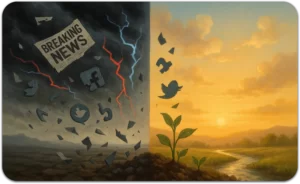
Let’s be real: tuning into the latest headlines or scrolling your feed during this political moment can feel like a punch to the gut. If you’ve noticed your stress levels rising, your mood dipping, or a persistent knot in your stomach from the political climate, you’re definitely not alone. Across the country, people are grappling with anxiety, worry, and even grief.
Here’s the truth: feeling overwhelmed right now is entirely normal. The nonstop stream of heated debates, policy shifts, and divisive rhetoric can wear on anyone. It can start to feel like it’s shaping your identity, safety, and sense of hope. That’s why it’s so important to create space for resilience, not to ignore what’s happening, but to protect your mental health so it doesn’t spiral under the weight of it all.
This blog is here to do more than just validate your emotions, it’s a resource to empower you, especially if you’re part of an underrepresented group struggling to find resilience amid the noise. Below, you’ll find practical ways to protect your peace, nurture your well-being, and tap into culturally competent GoodTherapy experts who understand exactly where you’re coming from.
Current Events Causing Widespread Political Stress
Trying to keep up with the U.S. political scene right now can feel like running a marathon with no finish line in sight. No matter where you fall on the spectrum, the back-and-forth and the real-world changes behind the headlines are hitting home in ways many of us can’t ignore
If you’re feeling anxious, overwhelmed, or emotionally drained, it’s a completely valid response. The mounting list of policy shifts isn’t just political jargon; it’s reshaping lives in real, often painful ways, especially for marginalized communities. Here’s just a snapshot of the realities many are navigating right now:
- Natural Disasters Drive Stress Higher: Catastrophic events like the recent floods in southern Texas have caused loss of life, widespread damage, and lasting mental health impacts. They also expose political tensions, as underfunded infrastructure and delayed emergency responses leave some communities feeling neglected or targeted.
- A Spike in Hate, Discrimination, and Violence: No matter where you land on the political spectrum, most people can agree that slurs and targeted violence are not okay. However, recent increases in hate crimes, racial slurs, and other violence against groups like Muslims, Jewish people, and other minority groups are taking a toll.
- Underrepresented Communities Are Losing Support: Recent U.S. Department of Agriculture (USDA) program cuts and tariffs are placing Black farmers under new pressures, and federal funding for Black-led non-profits continues to shrink.
- LGBTQ+ and Other Groups Are Seeing Critical Funding Dry Up: When the NIH halted funding for LGBTQ+ health, gender identity, and research, it didn’t just cut programs, it left entire communities facing uncertainty and frustration.
- Women’s Health Is in the Crosshairs: New laws restricting reproductive services, contraceptives, and even routine health screenings are making it more challenging for women to get the care they need, fueling anxiety and frustration.
- Immigrants Face Uncertain, Harsher Realities: Recent crackdowns and shifting policies have left many immigrants, including those with clean records and proper documentation, feeling unsettled, questioning what “home†really means right now.
Widespread worry is evident, and the shared stress many feel isn’t imaginary: it’s a natural response to real, lived experiences in a climate that often feels unsteady. Because of this, acknowledging the mental and emotional weight so many carry is key for the healing, support, and care you need.
2025: The Year of Political Anxiety
There’s no denying that experiencing discrimination and a tense political climate can take a serious toll on your mental health. The stress, anxiety, and even grief many people are feeling right now isn’t just “in your headâ€: it’s a real, lived experience. But political burnout isn’t exclusive to any one group: recent numbers show nearly half of Gen Z, Millennials, and Baby Boomer populations are feeling it, too.
Maybe you’ve noticed your mind racing, a sense of restlessness, or an energy crash that makes even simple tasks feel impossible. Below are some anxiety and depression symptoms you might be experiencing:
- Excessive worry
- Restlessness
- Feeling on edge
- Fatigue
- Difficulty concentrating
- Other physical symptoms like dizziness, headaches, and digestive issues
If this list feels a little too familiar, you’re not alone and you’re not powerless. Naming political anxiety is a key first step toward caring for your mind and body. From there, support and effective strategies are within reach.
Strategies for Coping With Political Anxiety
While the recent political landscape has been triggering and upsetting for many people, there is hope: learning practical coping strategies to combatl grief and stress is critical for your emotional well-being. Try the following:
- Acknowledge your distress and don’t ignore your feelings
- Set realistic goals around news consumption so you can better understand your personal limits and avoid becoming overwhelmed
- Limit media time, and try to avoid doomscrolling in an unproductive way
- Lean on your community, chances are, friends, family, and others are navigating the same mental health challenges
- Find and create moments of joy: while it’s good to acknowledge negative feelings, making sure you make time to recognize happy moments can give you new perspectives
These coping strategies are great tools to use when you’re feeling overwhelmed. Still, professional help from culturally competent therapists can give you an added level of support and guidance so you can be resilient in the face of political stress.Â

The Value of Culturally Competent Therapy Today
Political anxiety doesn’t exist in a vacuum. It’s deeply shaped by your unique experiences, identity, and how the world responds. The emotional toll of today’s climate can be heavy, especially for those navigating discrimination, marginalization, or the chronic stress of feeling unsafe or unseen. That’s why finding the right therapist matters.
If you’ve ever felt like your identity was misunderstood, minimized, or overlooked in a therapy session, it may be a sign the support wasn’t truly aligned with your lived experience. Culturally responsive therapists are trained to understand the nuances of race, culture, gender, sexuality, religion, and more, all the factors that shape how you experience the world.
Here’s why that kind of care is so essential right now:
- You feel genuinely heard and safe, which is foundational to healing.
- You can unpack the complex impact of systemic issues and discrimination without having to educate your therapist first.
- You get support that’s tailored to your life, not a one-size-fits-all approach.
In a political landscape that often feels unpredictable or hostile, having someone who truly understands your reality can be the difference between feeling alone and feeling empowered. If you’re ready to connect with a therapist who truly sees you, start with the GoodTherapy Help Me Find Care quiz. It asks a few key questions about your needs, preferences, and insurance to help match you with the right provider.
Navigate Political Stress With GoodTherapy
The U.S. political climate can feel relentless, especially for those facing discrimination or systemic barriers. From funding cuts and limited healthcare access to changes in immigration policy, the constant stream of difficult news can take an emotional toll.
But support is available. Culturally competent therapists and supportive communities like GoodTherapy can help you process what you’re feeling and build resilience. Prioritizing your mental health is one of the most powerful forms of self-care. Why wait to find support?
Read More: Want to Learn More About How Therapy Can Help? Explore More
Resources:
Capital B News: Black Farmers Brace for Trump’s Tariffs While Navigating USDA Office Closures
The Observer: Black-Led Organizations Vital to Economic Growth But Remain Underfunded: Report
The Association of American Universities: New Brief Finds NIH has Canceled $1.9 Billion in Grants
KFF Health News: Major Federal and State Funding Cuts Facing Planned Parenthood
Pew Research Center: Americans’ Views of Deportations
Forbes: Election Anxiety: 61% Say Presidential Election’s Impact on Mental Health Is Negative
Medium: Managing Political Anxiety: Simple Strategies for Coping
 Nineteen years ago, I made a decision that changed my life: I had gastric bypass surgery. At the time, I weighed 365 pounds, and my relationship with food, my body, and even my self-worth was deeply complicated. Today, I’ve lost and maintained a weight loss of 230 pounds, but what I’ve learned about the weight loss mental health connection has been even more transformative than the physical changes. While the surgery was a powerful tool, the real work, the kind that often goes unnoticed, has been mental, emotional, and deeply personal.
In the last two years, I added a GLP-1 medication to my routine, which has helped support my continued progress. Make no mistake: medication and surgery are not shortcuts. They are tools, and the real, lasting transformation has come from reshaping my mindset and prioritizing my mental health.
The Mental Side of Weight Loss No One Talks About
We often hear about diet plans, workout regimens, and before-and-after photos. What’s less visible is the emotional and psychological journey that runs alongside the physical one. For me, this was the hardest part.
Research consistently shows that bariatric surgery affects mental health significantly, with studies indicating both positive and negative psychological changes post-surgery. Before surgery, food was more than just fuel; it was comfort, distraction, and a coping mechanism. After surgery, I had to relearn how to eat, but even more importantly, I had to relearn why I eat. That’s where mental health came into play.
Healing My Relationship With Food: A Weight Loss Mental Health Journey
Gastric bypass changes your anatomy, but not your mindset. I had to face the habits and beliefs I carried with me for years. I had to confront emotional eating patterns, self-sabotage, and a negative internal dialogue that often told me I wasn’t “good enough” or that I’d always struggle.
Research demonstrates that psychological interventions targeting emotional eating can be highly effective, with cognitive behavioral therapy, mindfulness-based treatments, and acceptance-based therapies showing significant improvements in both emotional eating behaviors and weight outcomes.
Therapy, journaling, support groups, and self-reflection became just as important as meal planning and exercise. I learned to check in with myself emotionally before meals. Was I really hungry? Or was I stressed, bored, anxious, or sad?
Mindset: The Hidden Engine Behind Success
Losing weight and keeping it off for nearly two decades has taught me that mindset is everything. I’ve had to be patient when progress slowed. I’ve had to stay grounded when the scale didn’t move, and I’ve had to keep showing up for myself, even when it felt hard.
A growth mindset, believing that I can change, adapt, and grow, has carried me through setbacks and plateaus. Stanford psychologist Carol Dweck’s research demonstrates that individuals with a growth mindset consistently outperform those with a fixed mindset, particularly when facing challenges.
I stopped seeing challenges as failures and began to see them as part of the journey. This shift in perspective has been crucial to my resilience and long-term success.
The addition of GLP-1 medication over the past two years has given me another helpful tool, especially when it comes to appetite regulation and managing food cravings. The medication didn’t erase the need for mindful eating, therapy, or self-care. If anything, it amplified the importance of those things.
Nutrition Isn’t Just Science—It’s Personal
Nutrition advice is everywhere, but what works for one person may not work for another. I’ve had to learn what my body needs, how to listen to its signals, and how to feed it with both nutrition and self-compassion. Some days I eat to nourish, other days I eat for joy. I’ve learned that both are okay, and balance, not perfection, is the key to sustainable health.
Understanding that weight loss can be difficult helped me set realistic expectations and develop patience with the process. This acknowledgment actually improved my long-term success rather than hindering it.
Final Thoughts
Today, I live in a body that feels strong and capable. More importantly, I live with a mind that’s kinder, more resilient, and more aware. My journey hasn’t been linear or easy. It’s been filled with detours, lessons, and growth. Through it all, the most significant transformation hasn’t just been what I see in the mirror, it’s how I see myself.
If you’re on your own weight loss or health journey, know this: your mindset matters. Your mental health matters. You are so much more than a number on the scale. Consider focusing on positive behavioral changes rather than just the number on the scale, this approach often leads to more sustainable, lasting results.
The Mayo Clinic emphasizes that gaining control over emotional eating requires addressing both the psychological triggers and developing healthier coping mechanisms. Remember, if you’re struggling with emotional barriers to weight loss or need support on your mental health journey, consider reaching out to a qualified therapist who can help you develop the tools and mindset for lasting change.
 Absorbing the constant stream of startling headlines, news sources, political tensions, and global issues can feel overwhelming some days –– but we often can’t look away. If this sounds like you, you’re not alone. Most people (83% of adults) today experience stress about the future of the U.S. and news overload. If your mental and overall health are feeling impacted by the modern age’s constant information flow, this guide helps you recognize your doomscrolling habits and protect your well-being.
What Is Doomscrolling?
Do you find yourself scrolling through headline after news clip after social post that highlights distressing news, even when you know you’re tired or overwhelmed? Many people make doomscrolling a part of their daily life, but it’s taking a toll on our mental health as a society. Defined as constantly consuming distressing news, “doomscrolling†happens because upsetting news triggers your brain’s tendency to scan for danger and remain hypervigilant, even when your mental health is hurting.
You might already have a bad doomscrolling habit and feel its mental effects, but there are ways you can recognize and combat this behavior and better cope with news-related anxiety. As local, national, and global political and cultural landscapes continue to experience tensions and distress, protecting your mental health becomes that much more important.
News Overwhelm: The Mental Health Effects of Doomscrolling
Our self-preservation instinct to absorb more and more news is natural, but that doesn’t mean it isn’t unhealthy if left unchecked. Doomscrolling has proven impacts on society’s mental health, and this issue is growing year by year. A recent American Psychiatric Association study found that in 2024, 43% of adults felt more anxious than they did in both 2023 and 2022.
After doomscrolling, you probably feel anxious, but you might also experience other negative impacts. The following are just a few examples of ways your body reacts when you constantly consume distressing news on social media, television, and other publications:
- Sleep Procrastination: Doomscrolling in the evening can prevent you from getting enough healthy sleep as the scrolling becomes more and more unproductive and upsetting. Your mood and cognitive function might be impacted the next day.
- Worsened Social Connections: Spending significant time and energy scrolling through upsetting news can deplete your mental load, so you have less energy to recharge with friends and family.
- Less Exercise and Sunshine: When you doomscroll inside for hours on end, your body is often sedentary and does not get the exercise and vitamin D it deserves — which can impact your mood and mental well-being.
Staying informed on current events and the news is indeed important, and you might find great value in connecting with others and joining meaningful conversations on social media. Yet, we know that finding the balance between harmful habits and productive change can be challenging. If you are educated on the mental health impacts of scrolling, news coverage myths, and healthy habits for media consumption, you can prevent the negative effects of doomscrolling before they snowball.
Read More: Want to Learn More About the News Cycle and Mental Health? Read Our Guide
Myths About News Consumption and Mental Health: What to Know
You might not be able to completely escape the news, but you can be educated on how to absorb information in a productive, healthy way. As you work to stay informed about current events, keep in mind these three common myths about news consumption:
- Myth 1: Staying Informed Requires Constant Attention: You don’t have to continually consume all media to remain educated. In fact, you can be smart and thoughtful about how and when you take in the news.
- Myth 2: All News Is Complete: News headlines, articles, and stories don’t paint a complete picture. Absorb different perspectives and sources, but know that no piece of news has all the information.
- Myth 3: You Can’t Take Breaks: While it might feel like you have to be in the thick of the news each day, protect your well-being by giving yourself time to learn, space to absorb, and time to reset so you stay healthy.
With these tools, you can balance staying engaged in current events and prioritizing your mental health.
Tips for Managing News Anxiety
A stressful news event might affect you differently than it does someone else. Whether it’s wars, high gas prices, changing healthcare regulations, stories of racism and discrimination, or general violence, the news cycle can trigger different responses in different people. When you’re reading and watching news, keep these general guidelines in mind so you can protect your well-being while you stay informed:
- Be Aware of Your Limits: Taking breaks, muting news, or unfollowing distressing accounts can all help you pace yourself.
- Participate in Your Community: Make an impact by investing time, money, or resources into others for a meaningful cause.
- Use Your Voice: Speak up and act on injustices and distressing events in the world.
- Don’t Neglect Your Feelings: Learn healthy coping mechanisms for managing your feelings, and explore therapy when you need extra support.
- Protect Your Health: You can’t be the best version of yourself without prioritizing your physical, mental, spiritual, and psychological health. Find ways to foster these different components in your life.
Sometimes, news anxiety and overwhelm can feel especially personal and triggering. If you’re seeking support from someone who understands your unique experiences, identities, and feelings, GoodTherapy has a handful of culturally competent professionals prepared to help you navigate mental health challenges related to intersectional identities.
How Therapy Professionals Can HelpÂ
As news and information continue to circulate, you might need the tools to balance being informed with staying mentally healthy. By recognizing the dangers of doomscrolling, keeping general tips in mind, and seeking professional help, you can limit doomscrolling and spend more time making a difference.Â
GoodTherapy’s trusted, patient-centered therapists are prepared to help you navigate through whatever mental health needs you have, including achieving a doomscrolling detox. Find the right therapist for you through GoodTherapy and know that you are not alone: there is help for you.
External Sources:
American Psychological AssociationÂ
 Let’s be honest: Reality television has become America’s not-so-secret obsession. Whether it’s your guilty pleasure after a long day, the background noise while you’re scrolling your phone, or something you swear you’d never watch (but somehow know all the contestants’ names), there’s no denying we’re consuming more reality TV than ever before.
From the drama-filled villas of Love Island to the backstabbing brilliance of The Traitors, from the soaring vocals on The Voice to the rose ceremonies on The Bachelor — these shows have us hooked, and they’re undeniably entertaining. Still, researchers and mental health professionals are increasingly worried about the impact this “harmless” entertainment might be doing to our mental health, especially as it relates to body image.
If you’ve ever felt a knot in your stomach after watching impossibly perfect people find love on a tropical island or noticed your mood dip after a reality TV binge, you’re not alone. These shows are messing with our minds in ways we’re only beginning to understand, and the impact on how we see ourselves, especially our bodies, is becoming impossible to ignore.
Take Love Island USA, for instance. This longtime fan favorite has been called out for years over its harmful body image messaging, yet the most recent season (which premiered June 3rd, 2025) serves up more of the same. It might be your go-to guilty pleasure, but it’s worth asking: What’s the real cost of the “Love Island Effect” on our mental health?
Below is a deeper dive into the show’s impact on our mental health — from the show’s impossible beauty standards to the direct psychological toll it takes on us — plus some practical ways to enjoy your reality TV fix without letting it mess with your self-worth.
Negative Body Image and Mental Health: Understanding the Connection
When it comes to what shapes your mental health, body image plays a bigger role than you may realize. The way you see yourself in the mirror isn’t just about vanity: it’s deeply connected to your overall well-being and self-worth. When those thoughts are persistently negative, your mind can suffer.
Poor body image can trigger or worsen a number of conditions or symptoms:Â
- Anxiety and depressionÂ
- Body dysmorphiaÂ
- Eating disorders like anorexia and bulimiaÂ
- Feelings of shame and guiltÂ
- Self-esteemÂ
- An unhealthy obsession with body type
Learning how body image affects mental health isn’t just important: it’s essential if you want to take care of yourself, feel better in your own skin, and help others do the same. There are four components to body image you should know: what you see when you look at yourself (perceptual), how that makes you feel (affective), what you think about it (cognitive), and what you do as a result (behavioral).
Here’s the kicker: Reality TV and social media can mess with any or all of these layers, creating a perfect storm for mental health struggles.
The good news? If you’re battling negative body image, you don’t have to go it alone. Therapy professionals are specially trained to help you spot reality TV’s toxic influence and flip the script on how you see yourself. They can even coach you through tough conversations about body image with friends and family, helping curate a more positive message to the people you care about.
Read More: Wondering How to Talk to Your Child About Their Body? Start HereÂ
The Popularity of Reality TV
Despite all the hand-wringing about reality TV’s impact on our mental health, we’re watching more of it than ever. In fact, reality shows now make up a staggering 57% of all available TV programming. The message is crystal clear — reality TV isn’t just a guilty pleasure anymore: It’s become part of our daily media diet.
How Reality TV Impacts Body Image
You’ve probably encountered at least one of the Love Island franchises, whether it’s the UK, Australia, France, Germany, or USA version. Yet, what stays consistent across every beach and villa is the show’s basic formula of putting conventionally attractive twenty-somethings in swimwear and watching them compete for love — and the troubling impact it has on how we see ourselves.
The numbers are pretty sobering. New research from the Mental Health Foundation reveals that nearly 25% of 18-to-24-year-olds say reality TV makes them worry about their body image. The newest debut of Love Island USA, season 7, exacerbates this widespread concern. The cast is another lineup of people who fit that narrow definition of “beach body ready” and have likely had cosmetic work done. Love Island is certainly not alone in promoting unhealthy body standards, but researchers are particularly worried about the show’s so-called “Love Island Effectâ€: when viewers don’t just watch the show but also start questioning their own appearance and considering cosmetic procedures.
Despite the show’s lack of body diversity and some franchise changes, like offering mental health support for contestants after the show, Love Island USA celebrates the same, negative idea about body image: that true physical beauty does not include plus-sized bodies and only celebrates those with toned physiques and cosmetic enhancements.
Understanding how your TV habits affect your mental health is just the beginning. Actually building a positive body image, though, is the real work. Learn some concrete steps you can take to reset your perspective and find the support you need to feel good in your own skin.
How to Develop a Positive Body Image
As you grab the remote this week to turn on your favorite reality TV show, stop yourself and remember this key fact: the people you see on TV both represent skewed body ideals and likely struggle with body image issues themselves.Â
While GoodTherapy’s expert therapists are ready to help you tackle any body image challenges head-on, you can start protecting your mental health right now with these three game-changing strategies:
- Set Boundaries: Think of boundaries as your personal protection measures — whether physical, mental, or emotional. They’re your first line of defense in protecting your peace of mind.
- Fight Back With Cognitive Dissonance: Recognize and combat toxic beauty standards. See something unrealistic? Call it out. Challenge it verbally or take action against it.
- Remember the Ultimate Goal: Self-love isn’t one-size-fits-all. What works for your best friend might not work for you, and that’s okay. The freedom that comes with genuine self-acceptance? That’s universal.
These are the big-picture strategies, but let’s get practical. Here are some small but mighty actions that can transform how you see yourself:
- Start your day with positive affirmations (yes, they actually work)Â
- Chase health, not a number on the scaleÂ
- Spread compliments freely to others and yourselfÂ
- Make a list of what you love about yourself (and read it often)Â
- Catch yourself comparing and shut it downÂ
- Notice when your inner critic gets loud and stop it in its tracksÂ
- Remember you’re more than just a body: you’re a whole person
Fighting back against TV’s toxic body standards doesn’t mean you have to give up Bachelor in Paradise or stop rooting for your favorite Survivor contestant. It just means watching with your eyes wide open and recognizing your triggers so you can practice foundational skills in cognitive behavioral therapy (CBT). When you notice yourself making comparisons while watching Love Island, that awareness itself is the first step toward change.
Read More: Want to Learn About the Importance of CBT? Start Learning Now
How You Can Watch Love Island and Protect Your Mental HealthÂ
You don’t have to navigate this mental health journey solo. GoodTherapy’s trained professionals understand how reality TV affects mental health. They’re equipped with tools and strategies to help you build a healthier relationship with your body image.
With the right support, you don’t have to break up with Love Island USA this summer. You can absolutely keep up with all the villa drama while also working on rebuilding your confidence and protecting your mental health. It’s not about choosing between entertainment and self-care: it’s about finding that sweet spot where you can enjoy both.
Ready to take that first step? Find the right therapist for you, today!
Sources:
Multidisciplinary Digital Publishing Institute: Body Perceptions and Psychological Well-Being
Reality TV Statistics by Shows, Franchise, Demographics and Popularity
Which American Genres Have the Highest Global Demand?
Mental Health Foundation Raises Fears About Impact of Reality TV on Young Viewers
The Issue of Diverse Body Representation on Reality TV Goes Way Beyond Love Island
Reality TV Fuels Body Anxiety in Young People, Survey Says
 Learning how to manage stress effectively becomes essential as we navigate life’s constant changes. This gentle stress management approach through self-compassion offers a sustainable path forward.
As the gift of nature and renewal surrounds us, there’s something comforting about its predictability amidst change. The coolness of the mornings, gentle unfurling of leaves, the first brave blooms pushing through soil—these reliable transformations offer reassurance even as everything shifts.
I’ve been reflecting on how we might find similar comfort in new situations that arise, especially during stressful moments or times in our lives. When uncertainty feels overwhelming, where can we discover that same sense of grounding?
This contemplation has drawn me deeper into exploring our inner worlds. Don’t you find that sometimes our minds also crave that same sense of renewal?
Understanding Stress as a Universal Human Experience
As life happens and we begin to feel the feels, it’s a time to begin to be honest about something we all navigate in our own unique ways: Stress.
Even though stress can feel so intensely personal – that knot in your stomach, the racing thoughts that keep you up at night – it’s also something that connects us all. We might not always see it in each other, but stress is a shared part of the human experience.
Instead of chasing an idea of a completely stress-free life (which can feel like another thing to stress about!), let’s explore a different path together. What if we learned to relate to stress management in a new way?
How to Manage Stress and Shift Your Perspective on it
SHIFT YOUR PERSPECTIVE:
- Talk to ourselves with more kindness: Gently shifting those harsh inner critiques.
- Really listen to what our emotions are telling us: Honoring our needs authentically.
- Build an inner strength and move through stressful times: Learning to live alongside stress with more ease.
At the heart of it, we’re all figuring this out as we go.
Self-Compassion Techniques for Stress Relief
Have you ever noticed how our minds can sometimes be our own toughest critics when we’re feeling stressed? It’s like that inner voice can get really loud and, at times, not very helpful.
Gently reframing your negative thoughts can be empowering and supportive to manage stress and build self-compassion.
For those facing particularly challenging times, these crisis management strategies can provide additional support alongside self-compassion practices.
Practical Examples of Self-Compassionate Inner Dialogue
For instance, if you catch yourself thinking: “I can’t just can’t handle all of this.”
Maybe you can try shifting that to something like: “This is a really challenging time, and I’m feeling it. But I also know I have inner strength and I’ll find a way through.”
Or when those tough days feel overwhelming and you think: “This is absolutely the worst day ever.”
Perhaps you can also acknowledge: “This is a really difficult moment, and it’s okay to feel this way. Even in tough times, there might be small things I can still appreciate.”
The Balance of Gentle and Fierce Self-Compassion
It’s not about pretending everything is perfect. It’s about taking a glimpse at living as if and finding a slightly different, more self-compassionate lens to look through. Self-compassion for anxiety and stress isn’t just about being gentle with ourselves when things are tough; it also is about a deeper inner strength.
That gentle part is about acknowledging when we’re feeling drained or overwhelmed, allowing ourselves to feel it without judgment. It’s about giving ourselves permission to rest and recharge, rather than pushing through until we burn out.
But then there’s that fierce side – the courage to set boundaries, to say “no” to things that aren’t serving us, to really honor our own needs and protect our well-being.
Why Self-Compassion Works for Stress Management
Self-compassion isn’t a magic wand that makes stress disappear. Self-compassion is an act of real self-care that helps us navigate the challenges of life with a little more grace and a lot more inner strength. It lightens the load and reminds us that we’re worthy of kindness.
Embracing a Compassionate Approach to Mental Wellness
As we embrace this season of growth and renewal, I truly hope you’ll join me in exploring what a compassionate approach to stress might look like for you.
It’s about nurturing well-being from the inside out, acknowledging the very real challenges we all face, and remembering that we deserve our own understanding and care along the way.
Explore More Resources:
- How stress management leads to stress reduction techniques
- Knowing your stress threshold and limits
- Working with your inner critic to reduce anxiety
- Research shows that chronic stress can impact both physical and mental health.
- Studies on self-compassion demonstrate its effectiveness for emotional well-being.
- Various stress management techniques for better health.