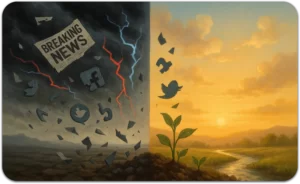
Let’s be real: tuning into the latest headlines or scrolling your feed during this political moment can feel like a punch to the gut. If you’ve noticed your stress levels rising, your mood dipping, or a persistent knot in your stomach from the political climate, you’re definitely not alone. Across the country, people are grappling with anxiety, worry, and even grief.
Here’s the truth: feeling overwhelmed right now is entirely normal. The nonstop stream of heated debates, policy shifts, and divisive rhetoric can wear on anyone. It can start to feel like it’s shaping your identity, safety, and sense of hope. That’s why it’s so important to create space for resilience, not to ignore what’s happening, but to protect your mental health so it doesn’t spiral under the weight of it all.
This blog is here to do more than just validate your emotions, it’s a resource to empower you, especially if you’re part of an underrepresented group struggling to find resilience amid the noise. Below, you’ll find practical ways to protect your peace, nurture your well-being, and tap into culturally competent GoodTherapy experts who understand exactly where you’re coming from.
Current Events Causing Widespread Political Stress
Trying to keep up with the U.S. political scene right now can feel like running a marathon with no finish line in sight. No matter where you fall on the spectrum, the back-and-forth and the real-world changes behind the headlines are hitting home in ways many of us can’t ignore
If you’re feeling anxious, overwhelmed, or emotionally drained, it’s a completely valid response. The mounting list of policy shifts isn’t just political jargon; it’s reshaping lives in real, often painful ways, especially for marginalized communities. Here’s just a snapshot of the realities many are navigating right now:
- Natural Disasters Drive Stress Higher: Catastrophic events like the recent floods in southern Texas have caused loss of life, widespread damage, and lasting mental health impacts. They also expose political tensions, as underfunded infrastructure and delayed emergency responses leave some communities feeling neglected or targeted.
- A Spike in Hate, Discrimination, and Violence: No matter where you land on the political spectrum, most people can agree that slurs and targeted violence are not okay. However, recent increases in hate crimes, racial slurs, and other violence against groups like Muslims, Jewish people, and other minority groups are taking a toll.
- Underrepresented Communities Are Losing Support: Recent U.S. Department of Agriculture (USDA) program cuts and tariffs are placing Black farmers under new pressures, and federal funding for Black-led non-profits continues to shrink.
- LGBTQ+ and Other Groups Are Seeing Critical Funding Dry Up: When the NIH halted funding for LGBTQ+ health, gender identity, and research, it didn’t just cut programs, it left entire communities facing uncertainty and frustration.
- Women’s Health Is in the Crosshairs: New laws restricting reproductive services, contraceptives, and even routine health screenings are making it more challenging for women to get the care they need, fueling anxiety and frustration.
- Immigrants Face Uncertain, Harsher Realities: Recent crackdowns and shifting policies have left many immigrants, including those with clean records and proper documentation, feeling unsettled, questioning what “home†really means right now.
Widespread worry is evident, and the shared stress many feel isn’t imaginary: it’s a natural response to real, lived experiences in a climate that often feels unsteady. Because of this, acknowledging the mental and emotional weight so many carry is key for the healing, support, and care you need.
2025: The Year of Political Anxiety
There’s no denying that experiencing discrimination and a tense political climate can take a serious toll on your mental health. The stress, anxiety, and even grief many people are feeling right now isn’t just “in your headâ€: it’s a real, lived experience. But political burnout isn’t exclusive to any one group: recent numbers show nearly half of Gen Z, Millennials, and Baby Boomer populations are feeling it, too.
Maybe you’ve noticed your mind racing, a sense of restlessness, or an energy crash that makes even simple tasks feel impossible. Below are some anxiety and depression symptoms you might be experiencing:
- Excessive worry
- Restlessness
- Feeling on edge
- Fatigue
- Difficulty concentrating
- Other physical symptoms like dizziness, headaches, and digestive issues
If this list feels a little too familiar, you’re not alone and you’re not powerless. Naming political anxiety is a key first step toward caring for your mind and body. From there, support and effective strategies are within reach.
Strategies for Coping With Political Anxiety
While the recent political landscape has been triggering and upsetting for many people, there is hope: learning practical coping strategies to combatl grief and stress is critical for your emotional well-being. Try the following:
- Acknowledge your distress and don’t ignore your feelings
- Set realistic goals around news consumption so you can better understand your personal limits and avoid becoming overwhelmed
- Limit media time, and try to avoid doomscrolling in an unproductive way
- Lean on your community, chances are, friends, family, and others are navigating the same mental health challenges
- Find and create moments of joy: while it’s good to acknowledge negative feelings, making sure you make time to recognize happy moments can give you new perspectives
These coping strategies are great tools to use when you’re feeling overwhelmed. Still, professional help from culturally competent therapists can give you an added level of support and guidance so you can be resilient in the face of political stress.Â

The Value of Culturally Competent Therapy Today
Political anxiety doesn’t exist in a vacuum. It’s deeply shaped by your unique experiences, identity, and how the world responds. The emotional toll of today’s climate can be heavy, especially for those navigating discrimination, marginalization, or the chronic stress of feeling unsafe or unseen. That’s why finding the right therapist matters.
If you’ve ever felt like your identity was misunderstood, minimized, or overlooked in a therapy session, it may be a sign the support wasn’t truly aligned with your lived experience. Culturally responsive therapists are trained to understand the nuances of race, culture, gender, sexuality, religion, and more, all the factors that shape how you experience the world.
Here’s why that kind of care is so essential right now:
- You feel genuinely heard and safe, which is foundational to healing.
- You can unpack the complex impact of systemic issues and discrimination without having to educate your therapist first.
- You get support that’s tailored to your life, not a one-size-fits-all approach.
In a political landscape that often feels unpredictable or hostile, having someone who truly understands your reality can be the difference between feeling alone and feeling empowered. If you’re ready to connect with a therapist who truly sees you, start with the GoodTherapy Help Me Find Care quiz. It asks a few key questions about your needs, preferences, and insurance to help match you with the right provider.
Navigate Political Stress With GoodTherapy
The U.S. political climate can feel relentless, especially for those facing discrimination or systemic barriers. From funding cuts and limited healthcare access to changes in immigration policy, the constant stream of difficult news can take an emotional toll.
But support is available. Culturally competent therapists and supportive communities like GoodTherapy can help you process what you’re feeling and build resilience. Prioritizing your mental health is one of the most powerful forms of self-care. Why wait to find support?
Read More: Want to Learn More About How Therapy Can Help? Explore More
Resources:
Capital B News: Black Farmers Brace for Trump’s Tariffs While Navigating USDA Office Closures
The Observer: Black-Led Organizations Vital to Economic Growth But Remain Underfunded: Report
The Association of American Universities: New Brief Finds NIH has Canceled $1.9 Billion in Grants
KFF Health News: Major Federal and State Funding Cuts Facing Planned Parenthood
Pew Research Center: Americans’ Views of Deportations
Forbes: Election Anxiety: 61% Say Presidential Election’s Impact on Mental Health Is Negative
Medium: Managing Political Anxiety: Simple Strategies for Coping

The Change: Menopause and Mental HealthÂ
As women age, it’s only a matter of time before menopause sets in. Since every person is unique, the timing of menopause varies from one person to the next. But, generally speaking, menopause affects women, transgender men, and some nonbinary individuals in their late 40s and early 50s.Â
While menopause is a completely natural process, individuals can feel its effects quite differently. For example, some people going through menopause might feel nothing much out of the ordinary while others might feel anxiety and depression. In extreme cases, some women going through menopause can experience a condition called menopausal psychosis. Â
But before we examine the different phases of menopause and how menopause and mental health tie together, let’s take a step back and take a deeper look at what menopause entails.Â
What Is Menopause?Â
Menopause is the process of transitioning from a fertile individual who can get pregnant to an infertile individual who can no longer give birth. When an individual passes menopause, they become post-menopausal, i.e., someone who hasn’t had a period in at least one year.Â
As women endure this process, they may experience a number of medical symptoms as the ovaries stop producing as much estrogen and progesterone. Some of these symptoms include hot flashes, vaginal dryness, weight gain, insomnia, and mood swings. Â
As a result, many women going through menopause also lose quite a bit of their sex drive.Â
Going Through Menopause: The PhasesÂ
Generally speaking, there are three distinct phases of menopause:Â
- Perimenopause starts when women begin to become less fertile and the body stops producing as much estrogen and progesterone. At this stage, a woman might start having irregular periods.
- Menopause occurs when a woman hasn’t had a period in at least 12 months. On average, this occurs between the ages of 45 and 55.
- Postmenopause is the final phase of the process and describes women, transgendered men, and nonbinary individuals who have gone through menopause. Due to a lack of hormone production, women at this stage are more likely to develop conditions like heart disease and osteoporosis.Â
Now that you have a better idea of the process menopausal woman go through, let’s turn our attention to some of the signs that might indicate someone is experiencing menopause.Â
What Are the Symptoms of Menopause?Â
The most common symptom of menopause is hot flashes, which affect as many as 70 percent of those going through the process. These sudden overwhelming feelings of heat can last as long as 10 minutes.Â
Here are some additional symptoms menopausal people may experience:Â
- Vaginal dryness, which causes discomfort during sex and contributes to a decreased sexual appetiteÂ
- Incontinence, with women having to go to the bathroom more frequently and potentially leaking small amounts of urine when laughing or sneezingÂ
- Slower metabolism, making it easier to gain weight and harder to lose itÂ
- Reduced bone density, which can lead to osteoporosis and broken bonesÂ
On top of these physical symptoms, women may also experience mental health problems. In addition to insomnia and mood swings, some women may also encounter memory issues and have shortened attention spans.Â
What’s more, some women may also become very anxious during menopause. After all, this is a major life transition; not everyone is willing to easily accept that they’ve arrived at this moment in their lives. Unfortunately, research suggests that women with anxiety can exacerbate the symptoms of menopause.Â
Further, women going through menopause are more likely to experience depression. In fact, one recent study found that 60 percent of perimenopausal and menopausal women were experiencing anxiety, 60 percent were experiencing depression, and 80 percent had brain fog. According to Harvard, women are twice as likely to become depressed during menopause.Â
What Is Menopausal Psychosis?Â
While 60 percent of women experience mild menopausal symptoms, 20 percent experience no symptoms at all. The remain 20 percent, however, experience menopause moderately to severely, which may lead to other problems and require professional help.Â
For example, some women going through menopause may develop a condition called menopausal psychosis. Women who’ve been diagnosed as schizophrenic are perhaps most likely to see a resurgence of that condition. Should they find themselves developing menopausal psychosis, women would be wise to enlist the services of a therapist to help them navigate these choppy waters.Â
While society has long held that women going through menopause tend to be overly emotional, the science increasingly points in the other direction: that there is a major correlation between menopause and mental health, and that this is a major transition that has a massive impact on the body and mind. In fact, studies show that women endure the same kind of rapid hormonal shifts as they undergo during puberty. Â
For these reasons, it’s important for menopausal women to recognize the severity of the process and learn what they can do to decrease the chances that menopause causes serious mental health problems for them.Â
How Menopausal Women Can Deal with The ChangesÂ
While there’s nothing women can do to prevent the process of menopause from happening, there are some tactics they can employ to reduce the severity of the symptoms they might experience during the journey:Â
1. Pay attention to your diet.
Research suggests that caffeine, alcohol, and spicy foods can all trigger hot flashes. To reduce the likelihood and severity of hot flashes, women going through menopause are advised to avoid these three substances as much as they can.Â
2. Get your exercise.
Menopausal women can also benefit from doing various kinds of exercise. For example, kegel exercises, i.e., pelvic-floor exercises, can help women develop stronger pelvic muscles, which gives them more control over their bladders. Further, research suggests that women who practice yoga can lessen their stress and improve their mood, which can decrease the chances they’re affected by depression and anxiety.Â
3. Use lubrication for sex.
When women experience vaginal dryness, sex can become painful, causing libidos to decrease substantially. If a menopausal woman is in the mood for sex, she should consider using over-the-counter lubricants to make the act more pleasurable. Â
In addition to these options, menopausal women — and particularly those who are having a very difficult time dealing with the condition — should strongly consider looking for a therapist to work through the issue. Â
The right therapist will be able to help you navigate this trying period and help you overcome things like body image issues, stress, and grief while helping you improve your self-esteem and conquer sleeplessness and depression.Â
Ready to begin working through the problems related to menopause? Start your search for a therapist today.Â